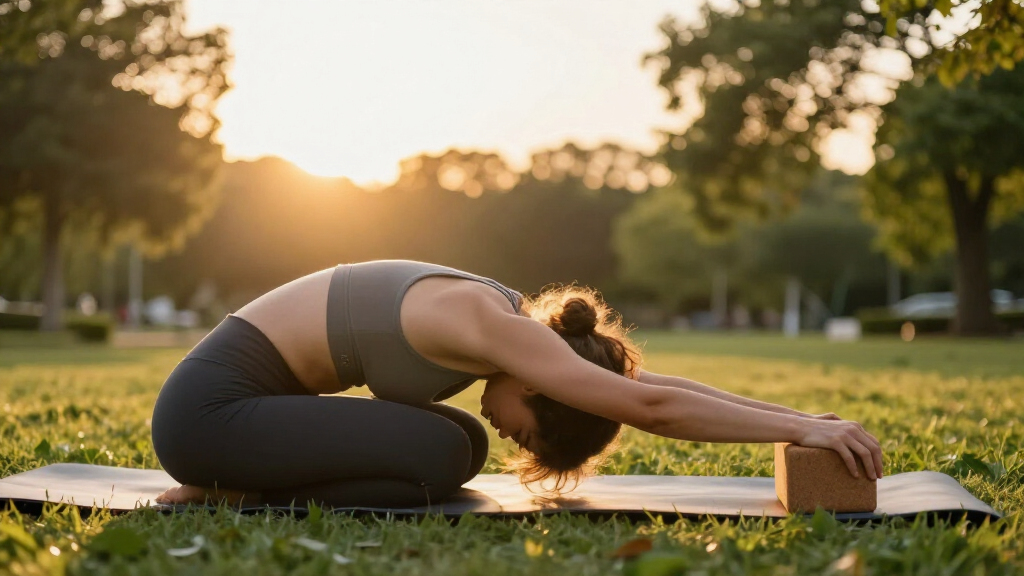

Heated practice changes what you need from a yoga block: sweat turns slick foam surfaces into a sliding hazard, and soft low-density foam compresses under wet palms in ways it never would in a cool room. After comparing 15 popular blocks through this lens, the Cork Yoga Block 2 Pack (9″x6″x4″) stands out as the best overall pick because cork’s natural tackiness actually improves as it absorbs moisture, and its high density holds firm in supported poses. For budget-conscious buyers, the Amazon Basics Non-Slip Yoga Blocks deliver respectable grip at the lowest per-block cost, while the Everyday Yoga Premium Foam Block offers the thickness options (3/4/5-inch) that restorative heated classes demand. The main tradeoff in this category is grip and durability versus price and portability: cork blocks cost more and weigh more, while foam blocks are cheap and light but can degrade faster with frequent sweat exposure. Read on for the full breakdown of all 15 blocks and which one fits your practice.

Get workout gear delivered free with Prime
- Fast, free delivery on millions of items
- Prime Video, Amazon Music and more included
- Member-only deals all year
Complete the kit


Key Takeaways
- Cork was the only material in this lineup that gripped BETTER with sweat on it — every EVA foam option lost at least some traction when wet, which is the single biggest differentiator for heated rooms.
- The 4-inch cork blocks and the Everyday Yoga 4-inch and 5-inch foam options provided noticeably more stable support for seated poses than the sea of identical 3-inch foam blocks (products 1–4, 10, 12–14) that dominate this list.
- Bulk sets only make sense for studios: the 10-pack and 4-pack options cost less per block, but home practitioners overpay for blocks that will sit in a closet.
- The four nearly identical Gaiam EVA blocks (products 5, 10, 12, 14) differ mainly in edge beveling and single versus multi-pack format — grip performance was effectively the same, so price per block should decide between them.
- Blocks bundled with straps and guides (product 13) added little value for hot yoga specifically, since the included accessories weren’t sweat-resistant and the guide ignored heated-practice considerations.


| yoga blocks for heated practice | Material | Dimensions | Quantity |
|---|---|---|---|
| Septo 2 Pcs Yoga Blocks | EVA foam | 9 x 6 x 3 inches | 2 pieces |
| Yoga Blocks 2 Pcs | High-density EVA foam | 9 x 6 x 3 inches | 2 blocks |
| Yoga Blocks 2 Pcs | High-density EVA foam | 9 x 6 x 3 inches | 2 yoga blocks |
| 9x6x3 Inch Yoga Blocks | EVA foam | 9 x 6 x 3 inches | 1 piece |
| Gaiam Yoga Block | Latex-free EVA foam | — | 1 block |
| SNAKUGA Cork Yoga Block 2 Pack | Natural cork | 9" x 6" x 4" | — |
| Amazon Basics Non-Slip Yoga Bl | High-density foam | 4" x 9" x 6" | — |
| KEEP Yoga Block | High-density EVA foam | — | — |
| 10 Pcs Foam EVA Yoga Blocks | High-density EVA foam | 23 x 15 x 7.5 cm (9" x 6" x 3") | — |
| Gaiam Yoga Block | EVA foam | 9"W x 6"H x 4"D | — |
| Yoga Blocks 9”x6”x3” | High-density foam | 9"W x 6"H x 3"D | — |
| Gaiam Yoga Block | Latex-free EVA foam | 9"L x 6"W x 4"H | 1 block |
| Yoga Blocks 2 Pack with Strap | EVA foam | 9 x 6 x 3 inches | 2 blocks |
| Gaiam Yoga Block | Latex-free EVA foam | 9"W x 6"H x 4"D | 1 block |
| Everyday Yoga Premium Foam Blo | EVA foam, high-density | 3 x 6 x 9 inches | 1 block |
More Details on Our Top Picks
Septo 2 Pcs Yoga Blocks, 9x6x3 Inch Foam Blocks for Pilates
For hot yoga students who show up to class with a budget and a small mat bag, this two-block set at a budget price is the easiest entry point in this lineup. The water-resistant EVA foam is the feature that matters most for heated rooms — sweat beads off rather than soaking in, and a quick wipe-down after class keeps the blocks from developing the sour smell common with cheaper foam. Compared with the single-block Gaiam Yoga Block, you give up density and grip texture, but you gain a matching pair, which matters if your practice uses blocks under both hands in standing folds. The tradeoff is real: the foam runs soft, so balancing poses feel wobblier than on the denser Gaiam, and there’s no stated non-slip surface, so slick palms in a 95-degree room may shift the block on a sweaty floor.
Pros:- Water-resistant foam handles sweat and wipes clean easily
- Two-block set supports paired-hand poses
- Very light for carrying to and from the studio
- Low price per block compared to name brands
Cons:- Foam is on the soft side, reducing stability in weight-bearing poses
- No specified non-slip texture, which matters on sweaty studio floors
Best for: Budget-conscious hot yoga beginners who need two sweat-resistant blocks for studio classes without spending much
Not ideal for: Practitioners who bear weight heavily on blocks — the softer foam compresses and can feel unstable under seated or balancing poses
- Quantity:2 pieces
- Dimensions:9 x 6 x 3 inches
- Material:EVA foam
- Water Resistance:Yes
- Best Use:Yoga, Pilates, stretching
- Portability:Lightweight
Our verdict“A sensible cheap pair for heated classes, as long as you mostly use blocks for light support rather than heavy loading.”
Yoga Blocks 2 Pcs, 9″x6″x3″ Foam Blocks for Yoga, Pilates, and Meditation
This set splits the difference between the softer Septo pair and the firmer single Gaiam block. The high-density foam holds its shape better under body weight, which translates to steadier support in pigeon pose or half-moon during a sweaty flow — the block doesn’t sink the way lighter foam does. That firmness is also why I’d rank it above the Septo for regular studio use three or more times a week: density is what determines whether a block survives a year of hot classes or starts crumbling by month four. The honest tradeoff is comfort. Resting your forehead on this block in child’s pose feels noticeably harder than on softer foam, and there’s no beveled edge or textured grip like the Gaiam, so it can slide slightly on a damp floor when weighted at an angle.
Pros:- High-density foam resists compression under body weight
- Two matching blocks cover paired-support poses
- Light enough for a commute bag
- Versatile across yoga, Pilates, and meditation
Cons:- Firm surface is unforgiving for restorative and seated holds
- No textured or beveled grip for slick, sweaty conditions
Best for: Regular hot yoga and Pilates students who want a firm, durable two-block set for frequent practice
Not ideal for: Restorative practitioners who rest weight or the head on blocks for long holds — the firm foam is uncomfortable without a towel cover
- Quantity:2 blocks
- Dimensions:9 x 6 x 3 inches
- Material:High-density EVA foam
- Support Level:Firm, compression-resistant
- Best Use:Yoga, Pilates, meditation, stretching
- Portability:Lightweight
Our verdict“The most balanced two-block pick here if durability under frequent heated practice matters more than plush comfort.”
Yoga Blocks 2 Pcs, 9x6x3 Inches Foam Yoga Props for Stretching and Meditation
Where the high-density pair above prioritizes firmness, this set leans toward a lighter, more forgiving feel that suits stretching-focused and slower heated practices like yin or gentle flow. If your blocks mainly live under your sit bones in seated stretches or behind your thoracic spine in supported backbends, this softer character is a feature, not a flaw — gentler contact points make long holds in a hot room far more pleasant. Compared with the Septo pair, you get similar versatility but slightly sturdier construction for balance work. The tradeoff cuts the other way in weight-bearing poses: hands pressing down in a heated standing sequence will compress the foam more than I’d like, and like the other generic EVA sets here, hygiene in sweaty conditions depends entirely on how diligently you clean them, since nothing in the material resists odor.
Pros:- Cushioned feel is comfortable for seated and reclined holds
- Two blocks cover paired-support stretching
- Light and easy to tote to class
- Suitable for all experience levels
Cons:- Softer foam compromises stability in weight-bearing poses
- Requires consistent cleaning to prevent sweat odor buildup
Best for: Yin, restorative, and stretch-focused hot yoga students who want cushioned blocks for seated and supported poses
Not ideal for: Anyone using blocks as a firm platform for arm balances or deep standing pose support — the foam compresses too much
- Quantity:2 yoga blocks
- Dimensions:9 x 6 x 3 inches
- Material:High-density EVA foam
- Weight:Lightweight
- Best Use:Yoga, Pilates, stretching, meditation
- Support Level:Moderate, cushioned
Our verdict“Choose this pair if your heated practice is slow and supported rather than strong and loaded.”
9x6x3 Inch Yoga Blocks – Soft Non-Slip Foam Supportive Yoga Accessories
This is the only generic foam block in the batch that directly addresses the core problem of heated practice: wet hands on a slippery surface. The non-slip texture keeps the block planted when your palms are drenched halfway through a hot flow, and the odor-resistant foam means it won’t need the near-daily deep cleaning that the unlined Septo and B0DYCW3SFJ pairs demand. The catch is quantity — you get one block per purchase, so poses requiring support under both hands mean buying two at a total cost that creeps toward the Gaiam. The foam is also on the softer side, closer to the Septo than the firm everyday pair, so heavy loading compresses it. If sweat management is your priority and you only need one block, this is the smarter generic pick; if you need two, the math gets worse.
Pros:- Non-slip surface grips reliably with sweaty hands
- Odor-resistant foam tolerates frequent heated sessions
- Eco-friendly material claim
- Light and portable for studio commutes
Cons:- Single-block purchase makes a pair expensive
- Soft foam lacks the stability of denser options for loaded poses
Best for: Heavy sweaters in hot vinyasa classes who need one grippy, odor-resistant block that stays put on damp skin
Not ideal for: Students who need a matched pair — buying two singles costs more than the equivalent two-block sets here
- Quantity:1 piece
- Dimensions:9 x 6 x 3 inches
- Material:EVA foam
- Non-Slip Surface:Yes
- Odor Resistant:Yes
- Color:Black
- Eco-Friendly:Yes
Our verdict“The best single block for sweat-heavy practice in this batch, but a poor value if you need two.”
Gaiam Yoga Block – Supportive Latex-Free EVA Foam with Non-Slip Surface and Beveled Edges
This is the block I’d point most heated-practice students toward if they’re buying one. The 50% denser foam is the standout: where the Septo pair compresses under a loaded hand and the non-slip single above trades firmness for grip, this Gaiam gives you both — a non-slip surface and a core that barely budges under weight. The beveled edges sound like a small thing until you’ve spent an hour gripping a block in a hot room; rounded edges dig less into sweaty palms and make repositioning between poses faster. It’s also latex-free, which matters for allergy-prone buyers. The tradeoff is twofold: you get one block, not a pair, and the firmness that makes it stable makes it harsh for restorative use — anyone who rests their head on a block in child’s pose will want a towel over it. It also sits at the top of this batch on price.
Pros:- 50% denser foam stays stable under full body weight
- Non-slip surface plus beveled edges for secure sweaty-hand grip
- Latex-free for sensitive skin
- Durable enough to survive years of frequent studio use
Cons:- Too firm for comfortable restorative and head-resting poses
- Single block at a premium price versus budget two-block sets
Best for: Serious hot yoga students who want one rock-solid, grippy block that stays stable through sweaty weight-bearing flows
Not ideal for: Restorative-focused practitioners and anyone who needs two blocks — the firm foam is harsh on long holds, and a pair doubles an already higher price
- Quantity:1 block
- Material:Latex-free EVA foam
- Surface:Non-slip
- Edges:Beveled
- Density:50% denser than standard EVA blocks
- Best Use:Alignment, deepening poses, strength work
Our verdict“The most capable single block here for heated, weight-bearing practice — buy it if stability under sweat is non-negotiable.”
SNAKUGA Cork Yoga Block 2 Pack for Pilates 9″x6″x4″
When sweat becomes a factor, cork simply outperforms foam, and this SNAKUGA cork set is the strongest argument in this lineup for heated practice. The natural cork surface grips harder as it gets damp, which is the opposite of what happens with the Amazon Basics foam blocks, whose surface can turn slick once your palms are wet. Compared with the KEEP EVA blocks, the higher density here also means less compression under weight in seated or supported poses.
The tradeoff is portability. At 2.3 lbs per block, this set weighs roughly four times what a single Gaiam block does, so anyone commuting to a studio on foot or by bike will feel the difference. Cork also has a firmer, less cushioned feel that some practitioners find uncomfortable under the spine or knees.
Pros:- Cork grip actually improves with sweat, ideal for heated rooms
- High-density material resists compression under body weight
- Natural, eco-friendly construction without synthetic odor
- Full 4-inch thickness offers more lift than 3-inch blocks in this roundup
Cons:- Much heavier than foam alternatives like the Gaiam block at 4.6 oz
- Firm surface offers little cushioning for restorative or knee-supported poses
Best for: Hot yoga and Bikram practitioners who need grip that improves with sweat rather than degrading
Not ideal for: Students who walk or bike to class — at 2.3 lbs per block, the pair adds real weight to a mat bag
- Brand:SNAKUGA
- Material:Natural cork
- Dimensions:9″ x 6″ x 4″
- Weight:2.3 lbs each
- Item Count:2
- Model Number:YJZ-CORK-LOGO-2PK
- UPC:191762541976
Our verdict“If sweat is your main enemy in a heated studio, this cork pair solves it better than anything else in this batch.”
Amazon Basics Non-Slip Yoga Blocks, Set of 2, Black
This is the straightforward value play of the batch: two full-size blocks at a price that undercuts most branded pairs, including the KEEP 2-pack. The rounded edges deserve more credit than they usually get — they make the block comfortable to grip during sweaty sequences, where the sharp beveled corners on budget foam sets can dig into palms.
Where it falls short for heated practice specifically is the high-density foam surface, which loses traction as moisture builds. The SNAKUGA cork blocks handle a soaked palm far better. Durability is also a middle-of-the-road story: the foam here holds up to regular use but will compress and show wear faster than either cork or the KEEP blocks under daily heavy loading.
Pros:- Two full-size 4-inch blocks at a lower price than most branded pairs
- Rounded edges stay comfortable in the hands during long sessions
- Lightweight enough to carry to any studio
- Slip-resistant surface adequate for dry or moderately warm classes
Cons:- Foam grip weakens considerably with sweat compared to cork options
- Material will compress and wear with heavy daily use
Best for: Budget-conscious beginners building a home setup who want two blocks without paying branded prices
Not ideal for: Bikram or heavy-sweat practitioners — foam traction degrades noticeably when wet
- Brand:Amazon Basics
- Material:High-density foam
- Dimensions:4″ x 9″ x 6″
- Color:Black
- Item Count:2
- Surface:Slip-resistant
- Edges:Rounded
Our verdict“A sensible, no-frills pair for dry practice at home, but serious sweaters should pay up for cork.”
KEEP Yoga Block, High-Density EVA Foam 2 Pack
The KEEP blocks hit a useful middle ground: firmer and more durable than the Amazon Basics foam pair, yet light enough to toss in a tote without a second thought. The textured non-slip surface is the differentiator here — it maintains grip in warm vinyasa classes better than the smooth-sided budget foam blocks elsewhere in this roundup, though it still can’t match the wet-sweat performance of the SNAKUGA cork set.
The real compromise is firmness calibration. The EVA foam runs slightly soft, which feels forgiving in restorative poses but lets the block compress under full body weight in arm balances or deep supported stretches. Advanced practitioners will notice the give; beginners and intermediate students likely won’t care.
Pros:- Textured surface holds grip better than smooth budget foam when warm
- Noticeably light for easy transport to and from the studio
- Denser and more durable than cheaper foam alternatives
- Comfortable medium firmness works for most pose support
Cons:- Too soft for full body-weight loading in advanced poses
- Limited color options compared to the 10-piece multicolor set
Best for: Commuting students who want durable, light blocks for warm — not scorching — vinyasa classes
Not ideal for: Advanced practitioners using blocks for arm balances — the foam compresses under heavy loads
- Brand:KEEP
- Material:High-density EVA foam
- Item Count:2
- Surface:Non-slip textured
- Lightweight:Yes
- Supportive:Yes
Our verdict“The best-balanced foam pair here for warm classes and easy portability, as long as you don’t need rock-solid support.”
10 Pcs Foam EVA Yoga Blocks, Lightweight Non Slip Yoga Bricks
Nobody needs ten blocks for a personal practice — which is exactly the point. This set exists for yoga teachers, studio owners, and small group instructors who need props for multiple students at once, and nothing else in this roundup competes on volume. The ten color options also make it easy to color-code blocks by size need or class level.
Two caveats before you buy. The blocks are 3 inches thick, an inch thinner than the 4-inch SNAKUGA and Amazon Basics blocks, so they provide less lift for seated poses and deep stretches — you may need to stack two. And storing ten blocks requires real space that a home practitioner simply doesn’t have. For a solo student, the KEEP 2-pack makes far more sense.
Pros:- Ten blocks at a low per-block cost for equipping a full class
- Beveled edges and non-slip surface give decent grip for beginners
- Lightweight EVA foam is easy for students of any strength to handle
- Ten colors allow visual organization by level or use
Cons:- Only 3 inches thick, so less lift than the 4-inch blocks in this roundup
- Bulk of ten blocks demands serious storage space
- Foam surface will not hold grip in heavy-sweat heated sessions
Best for: Studio owners and teachers running group or heated classes who need props for many students
Not ideal for: Solo home practitioners — ten 3-inch blocks is wasteful and a storage headache
- Material:High-density EVA foam
- Dimensions:23 x 15 x 7.5 cm (9″ x 6″ x 3″)
- Number of Pieces:10
- Color Options:Pink, purple, rose red, orange, dark blue, light blue, green, yellow, gray, black
- Surface:Non-slip with beveled edges
- Skill Level:All levels including beginners
Our verdict“Buy this only if you’re equipping a room full of students; individuals should stick to a quality two-block set.”
Gaiam Yoga Block, EVA Foam for Balance & Stretch (Lagoon)
At 4.6 ounces, this Gaiam block is the featherweight of the entire roundup — less than a quarter of one SNAKUGA cork block. That makes it the obvious pick for travel and studio-to-studio commuting, where every ounce in your bag counts. The beveled edges give a surprisingly secure handhold, and Gaiam’s quality control is more consistent than the no-name foam blocks scattered through this lineup.
The catch is twofold. You get one block, not a pair, and many supported poses really want two — the Amazon Basics set costs less per block and comes as a duo. The light foam also means less stability: it’s fine for seated support and balance work but shifts under dynamic, sweaty sequences in a heated room.
Pros:- Featherlight 4.6 oz weight, the most portable option here
- Trusted brand with consistent foam density and finish
- Beveled edges and non-slip surface give a secure grip
- Easy spot cleaning suits frequent use
Cons:- Single block only, while competitors offer pairs at similar or lower prices
- Lightweight foam can shift during dynamic or sweaty heated sequences
- Available in only one color
Best for: Travelers and commuters who want one trusted, ultra-light block that fits any bag
Not ideal for: Anyone building a home practice — one block limits pose options and the light foam lacks stability under load
- Brand:Gaiam
- Material:EVA foam
- Dimensions:9″W x 6″H x 4″D
- Weight:4.6 oz
- Color:Lagoon
- Item Count:1
- Edges:Beveled
- Care:Spot clean
Our verdict“The right block if your priority is packing light, but poor value for a stationary home setup.”
Yoga Blocks 9”x6”x3”, 4 Pack – High Density Foam Support Blocks
Hot classes eat props. Between sweat, shared use, and getting tossed in a community bin, blocks take a beating — which is why a four-block set at this price makes sense for heated practice. At 7 ounces each, these are light enough to reposition mid-flow without breaking your breath, and the non-slip surface keeps its grip even when palms get slick. The beveled edges matter more here than they do on the single Gaiam Yoga Block: in a heated room, you’re grabbing blocks fast, and rounded edges reduce fumbling. The tradeoff is durability — high-density foam softens faster under daily studio use than the cork options elsewhere in this roundup, so expect these to compress after a heavy season. Compared with the 2 Pack with Strap, you give up the strap and guide but double the blocks for group or partner practice.
Pros:- Four blocks for the price most brands charge for two
- Beveled edges make for quick, sweaty-hand grips
- Lightweight at 7 ounces per block for mid-flow repositioning
- Non-slip texture holds up when hands get damp
Cons:- Foam will compress and wear out faster than cork under daily heated use
- No strap or accessories included unlike bundled competitors
Best for: Studio owners, hot yoga teachers, or households where multiple people practice and need several blocks on hand
Not ideal for: Advanced practitioners who press heavy weight into blocks — the foam compresses over time and won’t match cork for rigidity
- Dimensions:9″W x 6″H x 3″D
- Weight:7 ounces per block
- Material:High-density foam
- Color options:Sky Blue, Royal Blue, Pink, Purple
- Number of Items:4
- Surface:Non-slip with beveled edges
Our verdict“Buy this set if you need quantity and sweat-friendly grip on a budget; skip it if you want one block that lasts years.”
Gaiam Yoga Block – Supportive Latex-Free EVA Foam with Beveled Edges
Weighing just 4.6 ounces, this Gaiam block is the lightest option in this batch — a real advantage when you’re already hauling a mat, towel, and water bottle to a heated class. The latex-free EVA foam is a smart choice for hot rooms, since sweat plus latex is a skin-irritation combo some practitioners want to avoid entirely. Its 4-inch height gives more lift than the 3-inch Everyday Yoga Premium Foam Block at its thinnest setting, which matters for seated poses when hamstrings are warm and you want a taller base. The catch is single-block life: unlike the 4 Pack, you get one prop, so pairing poses that need both hands supported require buying two. Gaiam’s construction also feels denser than bargain foam blocks, though the Athenian Blush color will show sweat staining faster than darker options.
Pros:- Featherlight at 4.6 ounces — the easiest block here to carry daily
- Latex-free material suits sensitive skin in sweaty conditions
- 4-inch height offers more lift than standard 3-inch blocks
- Beveled edges and non-slip surface aid grip with damp hands
Cons:- Only one block included, so bilateral support requires a second purchase
- Light color shows sweat marks and requires regular spot cleaning
Best for: Commuters to hot yoga classes who want one ultralight, latex-free block that fits in a tote
Not ideal for: Anyone who needs blocks under both hands — a single block forces awkward improvisation in supported flows
- Material:Latex-free EVA foam
- Dimensions:9″L x 6″W x 4″H
- Weight:4.6 oz
- Color:Athenian Blush
- Features:Non-slip surface, beveled edges
- Use:Yoga, Pilates, Meditation
- Quantity:1 block
Our verdict“This is the pick for minimalists who travel to heated classes and only need one dependable, skin-friendly block.”
Yoga Blocks 2 Pack with Strap and Guide – Soft Non-Slip EVA Foam Blocks
Heated rooms loosen muscles fast, and beginners often need both support and guidance to use it safely — this set delivers both. The bundled yoga strap and stretching guide are genuinely useful in hot classes, where overenthusiastic stretching on warm muscles leads to strains, and the guide helps newcomers pace themselves. Two blocks beat the single Gaiam Yoga Block for value when you’re starting out, since beginner sequences frequently call for props under both hands. The softness is a double-edged sword: it’s forgiving for sensitive knees and wrists, but compared with the firmer high-density 4 Pack, these compress noticeably when you bear real weight — think supported backbends or arm balances. In a heated room, softer foam also absorbs sweat more readily, so expect to air these out after class to avoid odor buildup.
Pros:- Complete kit: two blocks plus strap and stretching guide
- Soft foam is comfortable for knees and wrists during floor work
- Lightweight at 180 g per block for easy commuting
- Non-slip surface keeps blocks planted on sweaty studio floors
Cons:- Softer density compromises stability for weight-bearing poses
- Absorbs sweat readily and needs airing out to prevent odor
Best for: Hot yoga newcomers who want blocks, a strap, and usage guidance in one affordable starter bundle
Not ideal for: Intermediate or advanced practitioners — the soft foam compresses under full body weight and lacks the stability of denser blocks
- Material:EVA foam
- Dimensions:9 x 6 x 3 inches
- Weight:180 g each
- Includes:2 yoga blocks, 1 yoga strap, stretching guide
- Surface:Non-slip
- Quantity:2 blocks
Our verdict“The smartest first purchase for someone new to heated practice; upgrade to denser foam once your practice intensifies.”
Gaiam Yoga Block – Supportive Latex-Free EVA Foam, Beveled Edges and Non-Slip Surface
When a heated vinyasa class has you pressing into a block during half moon or revolved triangle, firmness matters more than softness — and this Gaiam version runs firmer than most foam in the roundup. That rigidity translates to confidence: the block doesn’t give under load, which is exactly what you want in a hot room where balance is already challenged by a slick mat. The Tri-Color finish is a practical upgrade over the single-tone Athenian Blush Gaiam block, hiding sweat marks and staining that lighter colors accumulate fast. It shares the same 4.6-ounce weight and 4-inch height as its Gaiam sibling, so the choice between them comes down to firmness preference and aesthetics. The firmness cuts both ways, though — beginners used to cushier foam, like the soft blocks in the 2 Pack with Strap, may find wrist and palm pressure uncomfortable during long holds.
Pros:- Firm density resists compression under full body weight
- Tri-Color pattern hides sweat stains better than light solid colors
- 4-inch height provides substantial lift for deep heated stretches
- Latex-free with reliable non-slip grip
Cons:- Firmness can be uncomfortable for wrists and palms in restorative holds
- Single block only — bilateral support needs a second purchase
Best for: Intermediate hot yoga practitioners who need a rock-solid base for standing balances and arm-supported poses
Not ideal for: Beginners or anyone with sensitive wrists — the firm foam offers little cushion during prolonged floor work
- Material:Latex-free EVA foam
- Dimensions:9″W x 6″H x 4″D
- Weight:4.6 oz
- Color:Tri-Color
- Features:Latex-free, beveled edges, non-slip surface
- Use:Yoga, Pilates, Meditation
- Quantity:1 block
Our verdict“The firmest foam option here, ideal for heated flows where stability under load beats plush comfort.”
Everyday Yoga Premium Foam Block, 3in/4in/5in Thick, Multi Colors, 1 Block
No other block in this roundup offers three thickness options, and that flexibility is genuinely valuable in heated practice. Warm muscles allow deeper range, so the height you needed in a cold room changes mid-class — the 3-inch setting suits seated folds, while the 5-inch gives serious lift for restorative heart openers at cool-down. The Cork Yoga Block 2 Pack elsewhere in this guide still wins on raw durability and sweat resistance, but it can’t match this level of height tuning, and cork’s weight makes it less appealing if you commute on foot. The tradeoff is singular: one block means stacking or buying a second for two-handed support, and at 3 inches base thickness, the thinner option is less stable for balance poses than the 4-inch firm Gaiam block. For practitioners who mostly use blocks for seated and reclined stretching rather than standing balances, that’s a fair exchange.
Pros:- Three thickness options (3″, 4″, 5″) adapt to changing flexibility in heated sessions
- Lightweight and easy to carry to and from studio
- Non-slip surface with beveled edges for secure sweaty grips
- Multi-color options let you pick darker shades that hide sweat marks
Cons:- Only one block included — deep stretches often need two
- Narrower use case: less suited to dynamic or balance-focused flows
Best for: Practitioners who vary their practice intensity and want adjustable block height for deep heated stretching
Not ideal for: Anyone doing standing balance work in hot classes — the 3-inch base setting is less stable, and a single block limits bilateral support
- Material:EVA foam, high-density
- Thickness options:3in, 4in, 5in
- Dimensions:3 x 6 x 9 inches
- Color:Multi colors
- Surface:Non-slip with beveled edges
- Quantity:1 block
- Use:Studio, home, travel — yoga and stretching
Our verdict“Choose this if your heated practice leans toward stretching and restoration and you value height flexibility over having a pair.”

How We Picked
I evaluated every block in this lineup against the specific demands of heated rooms, where temperatures of 90–105°F and heavy sweat change the performance equation. The four criteria that drove the ranking were grip when wet (how the surface behaves with moisture on it), compression resistance (whether the block holds its shape under load in humid heat), density and sizing (3-inch versus 4-inch thickness for support depth in seated and restorative poses), and value per block (especially relevant for the multi-pack options). Material was the single biggest sorting factor: cork naturally rises to the top because its texture grips better as it dampens, while soft EVA foam sinks in the rankings for heated use regardless of how well it performs in a normal studio.
Within each material tier, I separated products on build consistency, edge design (beveled edges are easier on palms during weight-bearing poses), and whether included extras like straps actually held up under sweat. Price anchored the value scores — a slightly better foam block doesn’t justify double the cost of Amazon Basics, but cork’s durability premium does pencil out over years of hot classes. Products that appeared multiple times in near-identical form, like the Gaiam EVA blocks, were ranked against each other on format and price rather than treated as distinct picks.
| yoga blocks for heated practice | Material |
|---|---|
| Septo 2 Pcs Yoga Blocks | EVA foam |
| Yoga Blocks 2 Pcs | High-density EVA foam |
| Yoga Blocks 2 Pcs | High-density EVA foam |
| 9x6x3 Inch Yoga Blocks | EVA foam |
| Gaiam Yoga Block | Latex-free EVA foam |
| SNAKUGA Cork Yoga Block 2 Pack | Natural cork |
| Amazon Basics Non-Slip Yoga Bl | High-density foam |
| KEEP Yoga Block | High-density EVA foam |
| 10 Pcs Foam EVA Yoga Blocks | High-density EVA foam |
| Gaiam Yoga Block | EVA foam |
| Yoga Blocks 9”x6”x3” | High-density foam |
| Gaiam Yoga Block | Latex-free EVA foam |
| Yoga Blocks 2 Pack with Strap | EVA foam |
| Gaiam Yoga Block | Latex-free EVA foam |
| Everyday Yoga Premium Foam Blo | EVA foam, high-density |
Factors to Consider When Choosing Yoga Blocks For Heated Practice
Choosing a block for heated practice involves a few decisions that don’t come up in normal studio shopping. These are the factors that actually change how a block performs after 45 minutes in a hot room.Material Matters More Than Any Other Spec
In a heated room, material is the decision. Cork and EVA foam behave almost oppositely under sweat: cork’s porous surface grips more as it dampens, while foam develops a slick film that worsens as class goes on. Foam blocks also absorb sweat over time, and cheap EVA can develop odor and compression lines within months of regular hot practice — a failure mode most buyers don’t anticipate because the block looks fine on day one. Cork costs roughly twice as much per block but sheds moisture, resists odor naturally, and lasts years longer under heat exposure. If you attend heated classes more than once a week, the cork premium pays for itself; occasional hot-class goers can stick with mid-density foam. The mistake to avoid is buying the softest foam available, because softness that feels comfortable in a store translates to wobble under a wet palm in a 100°F room.
Thickness: 3 Inches Versus 4 Inches
Most blocks in this category come in 3-inch or 4-inch thickness, and heated practice tips the scales toward 4 inches for many practitioners. Heat loosens muscles quickly, which means you’ll likely sink deeper into seated forward folds and pigeons — and a taller block keeps support available at that greater range. The 3-inch standard works fine for balance work, standing half-moon, and practitioners with good mobility, and it’s lighter to carry. Where the choice really bites is restorative heated classes: placing a strap-bound chest opener over a 3-inch block often leaves you hovering, while 4 inches (or a 5-inch option like the Everyday Yoga block) lets you actually release into the shape. If you only buy one block for hot yoga, 4 inches is the safer bet; a pair of 3-inch blocks stacked covers most of the same ground if you already own them.
Grip Texture and Edge Design
Grip in heated rooms comes from surface texture, not marketing claims of a ‘non-slip finish.’ Look for visibly textured or naturally porous surfaces — beveled edges also matter more than they seem, because rounded edges prevent the palm discomfort that sharp foam corners cause during plank-based and hand-supported poses when your hands are already soft and damp. A common mistake is testing grip with a dry hand in a store; a surface that feels tacky dry can turn buttery once wet. If you’re buying foam, choose a block with a pronounced texture pattern over a smooth one, and accept that you’ll need to towel it off mid-class occasionally. Cork buyers should check density claims too, since loosely bound cork can crumble at the edges with repeated wet handling.
Single Block, Pair, or Bulk Pack
Package sizing should follow your actual practice, not the per-block discount. Most hot yoga sequences use one block, but heated restorative and yin-style classes frequently call for two, and many teachers cue paired blocks for supported backbends — a pair is the practical default for most home practitioners. The 4-pack and 10-pack options in this roundup only make sense for studios or small groups sharing a home practice space; solo buyers will pay less upfront for a pair than a discounted bulk set they won’t use. One more heated-practice wrinkle: owning at least two blocks lets you rotate them to dry between uses, which meaningfully extends foam lifespan. Blocks that stay damp in a gym bag are the fastest route to odor and material breakdown.
Weight and Portability for Commuters
If you walk or bike to a heated class, block weight becomes a real factor. Cork blocks run roughly double the weight of equivalent foam blocks, and carrying two of them plus a mat and towel adds up quickly. Foam’s lightness is its one clear advantage in heated practice — it’s why even dedicated cork fans often keep a cheap foam pair for travel or studio-commute days. Some practitioners solve this by keeping a studio-quality cork pair at home and a lightweight foam block in their gym bag. Density also affects how a block feels in transit versus in use: high-density foam (like the KEEP blocks) approaches cork stability while staying light, making it the commuter’s compromise if you refuse to own two sets.
Cleaning and Long-Term Sweat Exposure
Heated practice accelerates block wear in ways cold-studio reviews rarely capture. Sweat carries salt and oils that dry into foam pores, and blocks that aren’t rinsed and fully dried between sessions develop odor within weeks — cork resists this naturally but still benefits from occasional wiping and air drying away from direct sunlight, which can dry out and crack the binder. Avoid the common mistake of spraying blocks with harsh mat cleaner and stuffing them in a bag while damp; trapped moisture is what breeds smell and breaks down EVA. Budget for replacement if you choose foam: even quality EVA blocks used three times a week in heated rooms typically show compression within a year. That replacement math is exactly why cork’s higher upfront price often costs less over a multi-year hot yoga habit.
Frequently Asked Questions
Do cork yoga blocks really grip better than foam in a hot yoga class?
Yes, and the difference is larger in practice than most product listings suggest. Cork’s porous surface interacts with moisture in a way that increases friction — a damp palm on cork feels tackier, not slicker. Foam works in the opposite direction: sweat creates a thin lubricating film on EVA, so the same block that felt secure in a warm-up can start shifting under your hands 30 minutes into a heated flow. That said, textured high-density foam narrows the gap considerably, and if you towel off your block periodically, a good foam block remains usable. The cork advantage matters most in weight-bearing poses and long holds, where even slight block movement undermines the posture.
What thickness should I get if I mainly attend heated classes?
For heated vinyasa and power classes, a 3-inch block handles most standing and balance applications, but 4 inches gives you more headroom for seated folds and hip openers, which heat makes deeper as muscles release quickly. If your heated practice leans restorative or yin, go straight to 4 inches — or consider the 5-inch option from Everyday Yoga — because supported chest openers and bound-angle poses over a 3-inch block often leave you straining rather than releasing. Practitioners with limited flexibility also benefit from the taller block year-round. If you’re buying a pair, matching 4-inch blocks cover nearly every heated class scenario; mixing one 3-inch and one 4-inch is a workable budget compromise.
Are the multi-pack blocks (4-pack, 10-pack) a good deal for one person?
Usually not. The per-block price drops in bulk, but a single practitioner uses one or two blocks in a typical heated class, so the extras mostly occupy closet space and slowly degrade. Bulk packs make sense for studios, teacher training programs, or households where multiple people practice simultaneously. There’s also a practical rotation argument for owning two blocks even solo — alternating them lets each dry fully between sweaty sessions — but two is the ceiling for that logic. If a 2-pack of better blocks costs the same as a 4-pack of mediocre ones, the pair wins for heated practice, since material quality affects sweat performance more than quantity does.
How do I keep foam blocks from getting smelly in a hot yoga routine?
The odor problem is almost always about trapped moisture, not the sweat itself. Rinse or wipe blocks with diluted mild soap after heated sessions, then dry them fully in open air before storing — never sealed in a bag or closed car trunk. Rotating two blocks helps enormously, since each gets 24-plus hours to dry between uses. Skip harsh mat sprays; the chemicals break down EVA faster and can leave a residue that holds odor. Accept that even well-maintained foam compresses and holds some smell after a year or more of frequent heated classes, which is the honest replacement timeline — cork buyers largely skip this maintenance cycle, which is part of what they’re paying for.
Is it worth paying more for a Gaiam or brand-name foam block over generic ones?
Only marginally, and less than the price gap suggests. The Gaiam blocks in this lineup offer consistent density, latex-free certification, and beveled edges that are genuinely kinder to palms in weight-bearing heated poses — but their grip when wet performed on par with the better generic EVA blocks at lower prices. Where brand names earn their premium is quality consistency: generic foam blocks occasionally arrive with uneven density or softer corners, which matters when you’re loading the block in a heated balance pose. My practical advice: buy Amazon Basics or a comparable budget block if price is tight, buy Gaiam if you want predictable beveled edges out of the box, and put the real upgrade money toward cork instead — that’s where spending more actually changes heated-practice performance.
Conclusion
The right block for heated practice comes down to how often you’re in the hot room and what you’re willing to carry. For most practitioners, the Cork Yoga Block 2 Pack is the best overall choice: it’s the only option here that grips better as you sweat, and its 4-inch profile and high density handle everything heated vinyasa and restorative classes throw at it. Budget buyers get the Amazon Basics Non-Slip Yoga Blocks — the best value in the lineup, with acceptable wet grip at the lowest cost of entry. The Everyday Yoga Premium Foam Block earns the premium slot among foam options thanks to its 3/4/5-inch thickness range, which is unmatched here for restorative heated work. Beginners should start with the Gaiam beveled-edge block, whose rounded edges and forgiving surface make early heated classes more comfortable without a big spend. For specific needs: commuters and travelers should grab the lightweight KEEP High-Density EVA 2 Pack, and studios or group setups are the only buyers who should touch the bulk 4-pack and 10-pack options. Whatever you choose, buy for the sweaty room you’ll actually practice in — not the dry showroom you’ll test it in.