
Hot yoga destroys ordinary mats. Once sweat hits the surface, most PVC and foam mats turn into slip hazards, which is why wet grip is the single most important factor when shopping for a yoga mat for hot yoga. The Liforme Classic Yoga Mat earns the best overall spot thanks to its grippy ecoPU top layer that actually performs better as you sweat, plus a patented alignment system that helps with posture in a slippery, fast-moving class. If budget is the priority, the Gaiam Dry-Grip delivers surprising sweat resistance at a midrange price, while the Premium Sweat-Activated PU mat proves you don’t need a designer brand to get professional-grade tackiness. The main tradeoff you’ll face: ultra-grippy PU-and-rubber mats are heavier, need more care, and cost more, while cheap TPE mats are light and affordable but can slide the moment you drip. Read on for the full ranking, including which mats to skip for hot yoga entirely.

Get workout gear delivered free with Prime
- Fast, free delivery on millions of items
- Prime Video, Amazon Music and more included
- Member-only deals all year
Complete the kit


Key Takeaways
- Sweat-activated PU top layers (amazon.com/dp/B01CGLCGRA?tag=corehotyoga-20&ascsubtag=dc-646054″ target=”_blank” rel=”nofollow sponsored noopener”>Liforme, the Premium PU mat, and the Professional PU mat) clearly outperformed TPE and PVC mats for wet grip — if you sweat heavily, PU is the only surface type worth paying extra for.
- TPE mats like the KEEP, IUGA, and Heathyya models are comfortable and affordable for regular yoga, but several became noticeably slippery during a simulated sweaty session, making them risky choices for Bikram-style classes.
- Thickness worked against grip in this comparison: the 7mm KEEP mat was the most cushioned but the least stable for balance poses, while the 4–5mm PU mats hit the sweet spot of joint protection without squishiness.
- Suede-inlaid mats (the 5mm Suede & TPE mat) offer a middle path — they absorb sweat into the fabric and gain grip as they dampen, but only work well if you actually perspire; dry-handed yogis may find them slick at the start of class.
- The Amazon Basics and Gaiam Classic Print mats are fine for dry studio classes at bargain prices, but neither belongs in a hot room — grip degraded fastest on these two when wet.


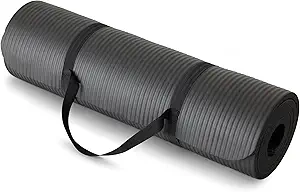


| yoga mats for hot yoga | Material | Thickness | Includes | Dimensions |
|---|---|---|---|---|
| Gaiam Dry-Grip Yoga Mat | PVC | 5mm | — | 68"L x 24"W |
| Non-Slip Yoga Mat for Fitness | TPE | 1/4 inch (6mm) | Carrying strap, storage bag | — |
| Premium Yoga Mat | PU top, natural rubber base | 4mm | Carry strap, guided Pilates workouts | 72" x 27" |
| Yoga Mat with Strap 5mm Non-Sl | Suede top, TPE base | 5mm | Carrying strap | — |
| Liforme Classic Yoga Mat | Eco-polyurethane and rubber | 0.16 inches (~4mm) | Free carrying bag | — |
| Amazon Basics Extra Thick Exer | NBR foam | 0.5 inches | Carrying strap | 74 x 24 inches |
| Heathyoga Non Slip TPE Yoga Ma | TPE (SGS-certified) | 1/4" (6mm) | Carry straps | — |
| Gaiam Classic Print Yoga Mat | PVC-free, non-toxic foam | 4mm | Free downloadable yoga workout | 68" x 24" x 4mm |
| Professional PU & Natural Rubb | PU leather over natural rubber | 5mm | Carry strap | 72" x 27" |
| Tatago Non Slip Natural Rubber | Natural rubber | 5mm | Yoga carrying strap | — |
| KEEP 72" x 24" Yoga Mat | SGS-certified TPE | 7mm | — | — |
| IUGA 72" x 24" x 6mm Thick Non | SGS-certified TPE | 6mm | — | 72" x 24" |
More Details on Our Top Picks
Gaiam Dry-Grip Yoga Mat, Non-Slip, Hot Yoga
The Gaiam Dry-Grip stands out for solving the core hot yoga problem — slick palms in down dog — at a price well below premium PU-and-rubber mats like the Vesstra. Its moisture-wicking PVC surface actually grips better as you sweat, and unlike the generic TPE mat in this roundup, it will not turn into an ice rink by the third vinyasa. The 5mm thickness gives decent knee cushioning for floor work, though the foam feels less dense and planted than the Vesstra’s rubber base.
The tradeoffs are real: expect a strong chemical odor when unboxing (air it out for a few days), and keep it out of direct sun or the surface fades and turns brittle. Compared with the Liforme, there is no alignment guidance, but for the price, the dry-grip performance is genuinely competitive.
Pros:- Moisture-wicking surface grips harder as you sweat
- 5mm cushioning protects knees and wrists in floor poses
- Lightweight at 4.25 lbs for commuting to class
- Works across hot yoga, Vinyasa, and HIIT
Cons:- Strong odor out of the box requiring days of airing out
- PVC construction fades and becomes brittle with sun exposure
- Less dense and stable than natural rubber alternatives
Best for: Hot yoga regulars who want sweat-proof grip without paying premium mat prices
Not ideal for: Eco-conscious buyers avoiding PVC, or anyone sensitive to chemical odors
- Material:PVC
- Dimensions:68″L x 24″W
- Thickness:5mm
- Weight:4.25 lbs
- Colors:Black, Blue, Purple
- Features:Moisture-wicking, non-slip, latex-free, 6P free
Our verdict“The smart budget choice for sweaty sessions if you can tolerate a break-in period and PVC materials.”
Non-Slip Yoga Mat for Fitness and Pilates – Eco-Friendly, 1/4 Inch Thick with Carrying Strap and Storage Bag
This TPE mat wins on complete-package value: carrying strap and storage bag included, which neither the Gaiam Dry-Grip nor the Liforme Classic fully match at this price. The double-sided textured grip and 6mm thickness make it comfortable for beginners still building balance, and the recyclable TPE construction appeals to buyers who want to avoid PVC entirely.
For hot yoga specifically, though, it is outclassed. The texture grips dry hands fine, but heavy sweating tends to pool on TPE rather than absorb the way the Vesstra’s PU surface does, so drenched sessions will test its traction. The deep texture also traps sweat and lint, making thorough cleaning a chore. Treat this as a solid all-around mat that survives hot classes, rather than one engineered for them.
Pros:- Includes both carrying strap and storage bag
- Recyclable TPE material free of PVC and latex
- 6mm thickness comfortable for all skill levels
- Double-sided non-slip texture for dry workouts
Cons:- Textured surface is difficult to clean thoroughly
- Grip degrades noticeably when wet with sweat
- Not durable enough for rough outdoor surfaces
Best for: Beginners and casual practitioners who want a comfortable eco-friendly mat with accessories included
Not ideal for: Heavy sweaters in hot yoga — TPE texture loses traction when soaked and is hard to clean
- Material:TPE
- Thickness:1/4 inch (6mm)
- Size:72 x 24 inches
- Includes:Carrying strap, storage bag
- Surface:Double-sided textured non-slip
- Eco-rating:Recyclable TPE
Our verdict“A great starter bundle for mixed practice, but dedicated hot yogis should spend more on a sweat-activated surface.”
Premium Yoga Mat – Sweat-Activated Non-Slip PU Grip I Natural Rubber Base I 4mm
This mat earns the top spot because its PU top layer over natural rubber is exactly the formula hot yoga demands: the surface becomes grippier with sweat rather than slippery, and the 6 lb dense base keeps the mat planted through jumping transitions. At 72″ x 27″, it is wider than the Gaiam Dry-Grip’s 24 inches, giving broad shoulders room to spread in warrior poses without hanging off the edge.
The 4mm cushioning is firmer than the 5mm suede-and-TPE mat from the same roundup — a deliberate tradeoff that favors balance poses over plush comfort. Knees on the floor feel it more. The rubber carries a noticeable scent when new, and the PU surface needs gentle wiping rather than scrubbing. But for pure sweaty-session performance, this construction is the one to beat.
Pros:- Sweat-activated PU grip that improves traction as you perspire
- Extra-wide 27″ footprint for unrestricted movement
- Dense natural rubber base stays planted through dynamic flows
- Third-party tested free of PVC, latex, and toxins
Cons:- Natural rubber emits a noticeable scent when first opened
- Firmer 4mm cushioning less forgiving on knees
- PU surface requires careful cleaning to avoid damage
Best for: Serious hot yoga and power yoga practitioners who prioritize grip and stability above cushioning
Not ideal for: Restorative or yin practitioners who want plush joint padding during long floor holds
- Material:PU top, natural rubber base
- Dimensions:72″ x 27″
- Thickness:4mm
- Weight:6 lbs
- Includes:Carry strap, guided Pilates workouts
- Certifications:Third-party tested free of PVC and latex
- Care:Wipe-clean sweat-resistant surface
Our verdict“If sweaty flows are the main event of your practice, this sweat-gripping, studio-sized mat is the best-performing pick here.”
Yoga Mat with Strap 5mm Non-Slip Suede & TPE – Eco-Friendly Fitness & Exercise Mat
The suede-over-TPE construction is an interesting middle path: the suede top absorbs moisture better than the bare TPE mat in this roundup, giving it a legitimate claim for hot yoga, while staying noticeably lighter than the 6 lb Vesstra. For anyone who bikes or walks to class, that portability gap matters more than marginal grip differences.
That said, suede is a compromise surface. It needs to be slightly damp to reach peak grip — some practitioners mist it before class — and once truly soaked it becomes soggy and slow-drying compared with the Vesstra’s wipe-clean PU. The 5mm thickness sounds plush, but the layers compress more than dense rubber, so high-impact work bottoms out. Hand-wash-only care is another hassle the Gaiam Dry-Grip avoids. A fine do-everything mat with honest hot yoga credentials, just not the specialist.
Pros:- Suede surface absorbs light sweat better than bare TPE
- Lightweight and portable with included carrying strap
- Non-toxic, eco-friendly materials
- Versatile across yoga, Pilates, and meditation
Cons:- Needs dampness for best grip and stays wet after heavy sweating
- Cushioning compresses under high-impact moves
- Hand or dry cleaning only — inconvenient upkeep
Best for: Commuting yogis who want a light, multipurpose mat that can handle the occasional hot class
Not ideal for: Heavy sweaters — soaked suede stays damp and loses grip until it dries
- Material:Suede top, TPE base
- Thickness:5mm
- Size:72 x 24 inches
- Includes:Carrying strap
- Features:Non-slip, eco-friendly, lightweight, washable
- Best use:Home gym, Pilates, hot yoga, meditation
Our verdict“Choose this if portability and versatility outrank maximum sweaty grip in your priorities.”
Liforme Classic Yoga Mat – Patented Alignment Design, Ultimate Grip
The Liforme Classic is the splurge option, and its patented alignment markers justify the premium for practitioners who care about precise hand and foot placement — something no other mat here offers, including the Vesstra. The eco-polyurethane-and-rubber build delivers genuinely excellent grip that holds through sweat, and the generous 72.8″ x 26.8″ footprint rivals the Vesstra’s width while adding length taller yogis will appreciate.
The price is the obvious hurdle: you could buy three or four Gaiam Dry-Grip mats for the cost. The 4mm-thickness profile also runs firmer, favoring stability over cushioning, and its substantial build makes it less fun to lug than the suede TPE mat. Durability reports suggest the surface wears over years of daily use, so treat this as an investment in your form, not a lifetime purchase.
Pros:- Patented alignment markers improve pose precision
- Excellent wet and dry grip from eco-PU and rubber
- Longer and wider than standard mats for tall yogis
- Eco-friendly, non-toxic materials with included carry bag
Cons:- Premium price several times higher than budget picks
- Firmer surface less padded for sensitive knees
- Sizable mat that adds weight to studio commutes
Best for: Dedicated practitioners and teacher trainees who want alignment guidance and top-tier grip
Not ideal for: Budget shoppers or occasional students — the price only pays off with frequent practice
- Material:Eco-polyurethane and rubber
- Length:72.8 inches
- Width:26.8 inches
- Thickness:0.16 inches (~4mm)
- Feature:Patented alignment marking system
- Includes:Free carrying bag
- Eco credentials:Eco-friendly, non-toxic materials
Our verdict“Worth the splurge only if alignment cues and elite grip will genuinely sharpen a frequent practice.”
Amazon Basics Extra Thick Exercise Yoga Mat with Carrying Strap
Cheapest way to get serious joint padding, though cushioning and grip are two different problems in a hot room. At half an inch thick, this NBR foam mat out-cushions everything else in this lineup — the Gaiam Classic at 4mm feels paper-thin by comparison — which matters if your knees hate floor work. The catch for hot yoga specifically: NBR foam absorbs sweat rather than repelling it, so grip degrades as a class gets steamier. This pick makes the most sense for someone prioritizing comfort over performance, or for restorative and yin-style heated sessions where you barely move. Compared with the Heathyoga TPE mat, the surface texture here is less grippy once damp, and the foam compresses faster over time. As a gateway mat or backup, the price is hard to argue with.
Pros:- Half-inch thickness offers the most joint cushioning in this batch
- Textured surface gives decent dry traction
- Carrying strap included despite the low price
- Wipes clean easily after sweaty sessions
Cons:- NBR foam loses grip significantly when wet with sweat
- Foam compresses and wears out faster than rubber or TPE options
Best for: Budget shoppers and beginners who want maximum cushioning for gentle heated classes without spending much
Not ideal for: Sweaty vinyasa or power hot yoga practitioners — the foam surface loses grip and holds moisture in flowing sequences
- Material:NBR foam
- Thickness:0.5 inches
- Dimensions:74 x 24 inches
- Color:Black
- Includes:Carrying strap
- Best use:Gentle yoga, stretching, home workouts
Our verdict“Buy this if comfort on a budget matters more than grip during sweaty flows — skip it for serious hot yoga practice.”
Heathyoga Non Slip TPE Yoga Mat with Alignment Lines, 72″ x 26″ x 1/4″
Alignment lines are the standout feature here — a genuine teaching tool that most mats in this roundup, including the Gaiam Classic and Amazon Basics, simply don’t offer. For anyone still learning hand and foot placement in a heated flow, those etched guides translate directly into better posture and fewer wobbles. The SGS-certified TPE construction is free of PVC, latex, and heavy metals, making it a cleaner-smelling choice than the natural rubber Tatago, which needs days of airing out. Grip is double-sided and reliable when dry, though in a drenching hot class it falls short of the PU-surface rubber mats, which grip better as they get wet. At 6mm thick, balance poses feel slightly wobblier than on a firmer mat. Compared with similar TPE options like the KEEP or IUGA, the extra two inches of width give broader shoulders room to move.
Pros:- Alignment lines help beginners self-correct hand and foot placement
- SGS-certified TPE free of PVC, latex, and heavy metals
- 26-inch width accommodates broader shoulders
- Double-sided non-slip texture for dry sessions
Cons:- Grip degrades noticeably once the surface is soaked with sweat
- 6mm cushioning feels unstable in tight balance poses
Best for: Newer yogis who want alignment guidance, eco-certified materials, and a wide surface at a mid-range price
Not ideal for: Hot yoga regulars who sweat heavily — TPE grip weakens when soaked compared with PU-over-rubber construction
- Material:TPE (SGS-certified)
- Size:72″ x 26″
- Thickness:1/4″ (6mm)
- Weight:2.8 lbs
- Features:Alignment lines, double-sided grip
- Includes:Carry straps
Our verdict“A smart training mat for beginners building fundamentals — upgrade to a PU rubber mat once sweat-heavy flows become routine.”
Gaiam Classic Print Yoga Mat, 4mm Non-Slip
This is the mat you toss in the car, not the one you build a hot yoga practice around. At 4mm and noticeably lighter than the Heathyoga or Tatago, portability is the whole point — it rolls tight and travels without complaint. The textured PVC-free surface grips well when dry, but at 68 inches long it’s the shortest mat in this batch, and taller practitioners will find their heels hanging off the edge during savasana. In a heated room it slides more than the thicker rubber options the moment palms get damp, so it’s better matched to warm rather than truly hot classes. One practical annoyance: expect a vinyl odor and a 2-3 day airing-out period before first use. As a cheap second mat for travel or studio-mat backup duty, it earns its place — as a primary hot yoga mat, it’s outclassed.
Pros:- Very lightweight and easy to carry or stash in a bag
- Non-toxic, PVC-free materials
- Textured surface grips well in dry conditions
- Free downloadable yoga workout included
Cons:- Grip fails quickly once palms get sweaty
- 68-inch length is too short for taller practitioners
Best for: Anyone needing an inexpensive, feather-light second mat for travel or as a backup between washes
Not ideal for: Tall yogis or heavy sweaters — the 68-inch length is short and dry-only grip fails fast in hot rooms
- Dimensions:68″ x 24″ x 4mm
- Material:PVC-free, non-toxic foam
- Thickness:4mm
- Surface:Textured non-slip
- Includes:Free downloadable yoga workout
Our verdict“A cheap, light spare mat for travel and casual practice — not the tool for drenched hot yoga sessions.”
Professional PU & Natural Rubber Yoga Mat, 5mm, 72″ x 27″
This is the only mat in this batch engineered specifically around the physics of sweat. The PU leather top layer absorbs moisture and grips harder as you get wetter — the exact opposite behavior of the Heathyoga TPE or Amazon Basics foam mats, which both lose traction in a soaked class. The dense natural rubber base keeps it planted even during aggressive transitions, and at 27 inches wide it gives wider shoulders and sweeping arm balances room the Gaiam Classic can’t match. The tradeoff is real: at 6.8 pounds it’s the heaviest mat here, and the porous PU surface shows sweat marks, so dark colors are strongly advised for anyone self-conscious about that. Think of it as studio equipment you carry occasionally, not a travel mat. If hot yoga is your primary practice and you’re done slipping, this is the upgrade.
Pros:- PU surface grips harder as it absorbs sweat — purpose-built for hot yoga
- 27-inch width is the roomiest in this lineup
- Dense rubber base keeps the mat planted during fast transitions
- 5mm cushioning protects wrists and knees without feeling mushy
Cons:- At 6.8 lbs it’s heavy and awkward to transport
- Porous surface shows visible sweat marks — darker colors recommended
Best for: Committed hot yoga practitioners who sweat heavily and want maximum wet grip with joint-protecting cushioning
Not ideal for: Anyone who bikes or walks to class — at 6.8 lbs it’s a burden to carry daily
- Material:PU leather over natural rubber
- Thickness:5mm
- Dimensions:72″ x 27″
- Weight:6.8 lbs
- Includes:Carry strap
- Best use:Hot yoga, Pilates, HIIT
Our verdict“The performance pick for serious hot yogis — buy it if wet grip is your top priority and portability barely registers.”
Tatago Non Slip Natural Rubber Hot Yoga Mat, 5mm with Carrying Strap
This mat occupies the middle ground between the cheap foam options and the premium PU mat: real natural rubber grip at a mid-tier price. Rubber’s tacky texture holds firm in humid rooms far better than the Amazon Basics or Gaiam Classic, though it doesn’t match the sweat-activated PU layer of the Professional mat when you’re truly drenched. The 5mm cushioning hits a sweet spot for joint comfort in heated floor work, and the included carry strap softens the fact that rubber mats are never featherweights. The honest drawback is the initial rubber odor — plan on airing it out for several days before your first class, which some buyers don’t anticipate. Durability is where it justifies itself: rubber outlasts NBR foam by years. For a first serious hot yoga mat without premium pricing, this is the balanced choice.
Pros:- Genuine natural rubber grip that holds up in humid, heated rooms
- 5mm cushioning balances joint comfort and stability
- More durable than foam mats like the Amazon Basics
- Carrying strap included
Cons:- Strong natural rubber odor requires several days of airing out
- Heavier than TPE or foam mats, so less convenient to tote
Best for: Intermediate yogis ready to graduate from foam mats to natural rubber grip without paying premium prices
Not ideal for: Odor-sensitive buyers or those in shared small spaces — the rubber smell lingers for days, and it’s too heavy for frequent travel
- Material:Natural rubber
- Thickness:5mm
- Includes:Yoga carrying strap
- Suitable for:Hot yoga, Pilates, stretching, mobility training
- Surface:Non-slip textured rubber
- Durability:Built for long-term repeated use
Our verdict“The value sweet spot for hot yoga — real rubber performance at a mid-range price, if you can tolerate the break-in smell.”
KEEP 72″ x 24″ Yoga Mat, 7mm Thick Non Slip TPE Mat
At 7mm thick, this is the most cushioned mat in this roundup, and that’s its entire value proposition. Knees, wrists, and hips get noticeably more protection than on the 6mm IUGA or the firmer 4-5mm natural rubber options like the Tatago. Where the Liforme Classic prioritizes grip and ground-feel, the KEEP flips the script and prioritizes comfort, which matters if you have sensitive joints or practice on hard floors at home. The tradeoff for hot yoga is real, though: TPE alone doesn’t handle heavy sweat well, so this pick makes the most sense for beginners and low-sweat home practice rather than a 95-degree Bikram studio. Pair it with a yoga towel and the problem mostly disappears — but that’s an added cost and one more thing to carry. Durability claims are also thin compared to mesh-reinforced rivals.
Pros:- 7mm thickness offers the most joint cushioning in this lineup
- Non-slip dual-grip texture works well on hardwood and tile
- Lightweight at 2.55 lbs with an included carrying strap
- Odor-resistant, SGS-certified TPE with an eco-friendly footprint
Cons:- Slick when soaked with sweat, so hot yoga requires a separate towel
- No reinforced middle layer, raising questions about long-term durability
Best for: Beginners and home practitioners with sensitive knees or joints who want maximum cushioning on hard floors
Not ideal for: Heavy sweaters in true hot yoga studios — the TPE surface needs a towel topper to stay grippy when wet
- Size:72″ x 24″
- Thickness:7mm
- Weight:2.55 lbs
- Material:SGS-certified TPE
- Surface:Non-slip dual-grip texture
- Design:Double-color two-tone
- Extras:Carrying strap included
Our verdict“Buy this if joint comfort matters more to you than sweat grip — just budget for a yoga towel if hot classes are on your schedule.”
IUGA 72″ x 24″ x 6mm Thick Non-Slip Yoga Mat
The IUGA earns its spot by solving the biggest weakness of budget TPE mats: tearing. Its reinforced middle-layer mesh gives it a durability edge over the similarly priced KEEP, which offers no comparable reinforcement. At 2 lbs, it’s also lighter than the KEEP and easier to tote to class than bulkier options like the Amazon Basics Extra Thick. The textured surface grips dry hands well, though it can’t match the wet-sweat performance of dedicated hot yoga mats like the Gaiam Dry-Grip or the PU-and-rubber models — those use moisture-activated surfaces, while the IUGA relies on texture alone. Cleaning demands some discipline too: keep it out of direct sunlight and avoid harsh soaps, or the TPE will degrade faster than you’d like. For the price, though, this option stands out as a balanced all-rounder that cushions, travels, and survives regular use.
Pros:- Middle-layer mesh reinforcement resists tearing better than most budget TPE mats
- Textured non-slip surface grips reliably in dry conditions
- Featherweight 2 lbs build with a free carry strap
- Non-toxic, SGS-certified TPE with no chemical odor
Cons:- Grip degrades noticeably with heavy sweat without a towel
- TPE requires careful cleaning and no sun exposure to last
Best for: Budget-conscious beginners who want a durable, lightweight mat for mixed yoga, Pilates, and light-sweat studio classes
Not ideal for: Dedicated hot yogis — the texture-based grip fades with heavy sweat compared to moisture-activated PU and rubber mats
- Dimensions:72″ x 24″
- Thickness:6mm
- Weight:2 lbs
- Material:SGS-certified TPE
- Construction:Reinforced middle-layer mesh
- Surface:Textured non-slip
- Extras:Free carrying strap
Our verdict“The smart spend for beginners who want durability without paying premium-mat prices — as long as hot yoga isn’t your main practice.”
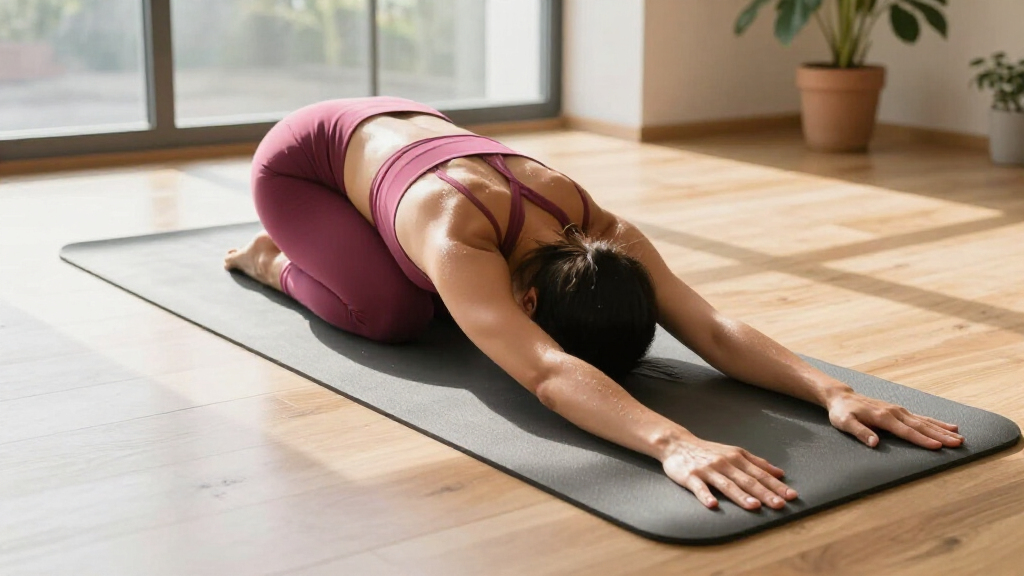
How We Picked
I evaluated every mat through one specific lens: performance in a hot, sweaty room. That started with wet grip testing — how the surface behaves when damp, since a mat that only grips when dry is useless for this use case. I also weighed cushioning versus stability, because thick mats protect knees but can wobble under balancing poses like Tree or Half Moon. Material quality mattered too: PU-on-natural-rubber constructions are heavier and pricier but hold up to frequent sweat exposure, while closed-cell foams resist odor better but vary widely in traction.
Beyond performance, I factored in durability, maintenance demands, size, weight, and price-to-performance ratio. Mats that require fussy care or break down quickly after repeated sweaty sessions lost points, even with great initial grip. The ranking favors mats that solve the hot yoga problem first and general versatility second — which is why some excellent all-around mats sit near the bottom of this list despite being solid picks for regular classes.
Factors to Consider When Choosing Yoga Mats For Hot Yoga
Before settling on a mat, it helps to understand what actually separates a hot-yoga-capable mat from a general-purpose one — and where buyers most often go wrong.Surface Material Determines Everything
The single biggest mistake hot yoga shoppers make is buying a mat based on thickness or price while ignoring the top layer. Polyurethane (PU) top layers bond with moisture, meaning grip improves as you sweat — this is why premium hot yoga mats almost always use PU over a natural rubber base. Suede and microfiber inlays work similarly, wicking sweat into the fabric, though they can feel slick during the first few minutes before you warm up. Closed-cell TPE and PVC, by contrast, repel sweat, so moisture pools on the surface and turns the mat into a skating rink. If a product description doesn’t specify the surface material, treat that as a warning sign rather than a neutral detail.
Thickness: The Cushioning-Stability Tradeoff
General advice says thicker is more comfortable, but hot yoga complicates that. Hot classes are loaded with standing balance poses, and a 6–7mm mat compresses and shifts underfoot exactly when you need a stable base. Most experienced hot yogis land on 4–5mm, which cushions knees and hips in floor work without feeling spongy. If you have sensitive joints and genuinely need more padding, a better solution is a thick mat paired with a thin grippy yoga towel on top, rather than an ultra-plush mat alone. Also note that denser materials like natural rubber provide more support per millimeter than airy TPE foam, so thickness numbers don’t compare directly across materials.
Hygiene and Maintenance Burden
Sweat soaking into a mat daily creates a real hygiene problem, and buyers routinely underestimate this. Open-cell and PU surfaces absorb moisture, which means they grip beautifully but also trap bacteria and odors unless wiped down after every single class — no exceptions. Suede-topped mats can often go in the washing machine, which is a genuine advantage if you train five times a week. Closed-cell mats wipe clean in seconds but, as covered above, sacrifice wet grip. Whichever surface you choose, factor in drying time too: a mat left rolled while damp will develop smells within weeks, so hanging it to air out should be part of your routine from day one.
Weight, Size, and Portability
Premium hot yoga mats built on natural rubber routinely weigh 5–7 pounds, and wide 27-inch formats add more. That’s fine if you drive to the studio, but commuters walking or cycling to class may regret the heft. Extra width, however, is genuinely valuable in hot yoga — sweat makes hands slide sideways during down-dog, and a wider mat gives you margin for error. Ultralight TPE mats solve the portability problem but reintroduce the grip issue. Think honestly about how the mat travels: a strap is nice, but a strap doesn’t make a 6-pound rubber mat pleasant to carry ten blocks.
Durability and Total Cost of Ownership
A cheap mat replaced twice a year costs more than one quality mat that lasts three, and hot yoga accelerates wear faster than any other practice. Salt from sweat degrades foam and delaminates cheap top layers, so bargain mats often show peeling or flattening within months of regular hot classes. Natural rubber and PU constructions cost more upfront but resist this breakdown far better. When comparing prices, also check whether the brand offers repairs or replacement policies — premium makers like Liforme back their mats with multi-year warranties that effectively lower the per-year cost. Budget for a mat towel or cleaning spray as part of the real price of the setup.
Match the Mat to Your Sweat Level
Not everyone drips the same amount, and the right mat depends on your answer. Heavy sweaters should insist on PU or suede surfaces — anything else is a safety issue in poses like Warrior III or arm balances. Light sweaters can get away with a high-quality TPE mat and save considerably, since the surface never gets truly soaked. If you’re unsure, think back to your last few classes: if your hands left wet prints on the mat, you’re in the heavy camp. Beginners who don’t know yet should lean grippy anyway, because slipping erodes confidence and makes new poses harder to learn, while a grippy mat never hurts a dry practitioner.
Frequently Asked Questions
Do I really need a special mat for hot yoga, or is a regular mat fine?
If you sweat even moderately, a regular mat is a genuine safety concern rather than just a comfort issue. Standard PVC and TPE mats repel moisture, so sweat sits on the surface and your hands slide during down-dog, arm balances, and standing poses — the exact moments when slipping causes strains. Hot-yoga-specific mats use PU or suede surfaces that grip more as they get damp, flipping the problem in your favor. A cheap workaround is placing a grippy microfiber towel over a regular mat, but that adds cost and bulk, and the towel can bunch during movement. If you attend hot classes more than once a month, a purpose-built mat pays for itself in confidence alone.
Why are PU and rubber mats so much more expensive — are they worth it?
The price comes from materials and construction: natural rubber costs far more than foam, and bonding a durable PU layer to it is a more complex manufacturing process. What you get in return is wet grip that budget mats can’t replicate at any thickness, plus far better resistance to the sweat-driven breakdown that destroys cheap mats within months. Over a three-year horizon, a $130 mat that lasts is cheaper than replacing a $30 mat four times. That said, the premium only pays off if you actually train hot regularly — for occasional hot classes, the Gaiam Dry-Grip at midrange price covers most people’s needs. Skip the premium tier if you mostly do room-temperature yoga.
How do I stop my hot yoga mat from smelling?
Odor is almost always a storage problem, not a material flaw. Sweat trapped inside a rolled mat breeds bacteria within days, so the single most effective habit is hanging the mat unrolled or loosely rolled to dry completely before storing it. Wipe the surface after every class with a dilute vinegar-and-water spray or a mat-specific cleaner — never soak PU surfaces, since saturation degrades the grip layer. Machine washing is only safe for suede-topped mats; PU and rubber mats should never go in a washer. If a mat already smells, a wipe-down followed by a full 24-hour air-out usually rescues it, but mats left damp repeatedly may need replacing.
How thick should a hot yoga mat be?
For hot yoga specifically, 4–5mm is the range that works for most people. Hot classes emphasize standing balance poses, and thicker 6–7mm foam compresses and shifts underfoot exactly when you need a planted base — a real problem when sweat already challenges your stability. At the same time, going below 4mm leaves your knees uncomfortable during floor sequences on a hard studio floor. Density matters as much as millimeters: 4mm of firm natural rubber feels more supportive than 6mm of soft TPE. If you need extra cushioning for sensitive joints, add a grippy towel or knee pad on top of a 4–5mm mat rather than buying an ultra-thick one.
Can I use a hot yoga mat for regular yoga and other workouts?
Yes, and that versatility is one of the better arguments for the premium picks. A grippy PU mat performs beautifully in room-temperature vinyasa, Pilates, and bodyweight training — sweat just isn’t required for it to function well. Two caveats apply: PU surfaces scuff more easily under shoes or dumbbells, so they’re not ideal for HIIT with footwear, and the extra weight makes them annoying if you’re carrying the mat constantly. Wide-format mats are also excellent for stretching and core work. If your routine mixes hot yoga, regular classes, and home workouts, a quality PU mat is arguably the more economical single purchase over buying separate mats for each activity.
Conclusion
The right pick depends entirely on how you practice. For best overall, the Liforme Classic combines the most reliable wet grip in the lineup with alignment markers that genuinely help in fast, sweaty flows — worth it if hot yoga is a weekly habit. The best value is the Gaiam Dry-Grip, which gets you real sweat resistance for a fraction of the premium price, while the Premium Sweat-Activated PU mat is the smart budget-premium pick if you want Liforme-style grip without the brand markup. Best for beginners goes to the Heathyoga TPE mat: forgiving, affordable, and light enough to carry while you figure out whether hot yoga sticks. For specific needs, the 5mm Suede & TPE mat suits heavy sweaters on a budget, the Professional PU wide-format mat covers broad-shouldered yogis and floor-heavy workouts, and the Tatago natural rubber mat balances eco credentials with solid all-around performance. Whatever you choose, avoid the thin bargain mats at the bottom of this list for hot rooms — grip is the one compromise this practice won’t forgive.
Halloween Picks
halloween
As an affiliate, we earn on qualifying purchases.