TL;DR

Get workout gear delivered free with Prime
- Fast, free delivery on millions of items
- Prime Video, Amazon Music and more included
- Member-only deals all year
Certified personal trainer Francesco Zen told Fit&Well that directing weight toward the outer edges of the feet and pushing the knees outward helped him engage his glutes during overhead squats. He recommends building up through mobility work and lighter variations before attempting the movement with a barbell.
Certified personal trainer Francesco Zen told Fit&Well that a small adjustment to his squat stance helped him improve his overhead squat: shifting his weight toward the outer parts of his feet and pushing his knees outward. Zen, founder of ZLIFE, says the cue helps activate the glutes, which support the movement as a person lowers and rises while holding an implement overhead.
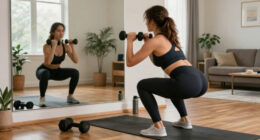
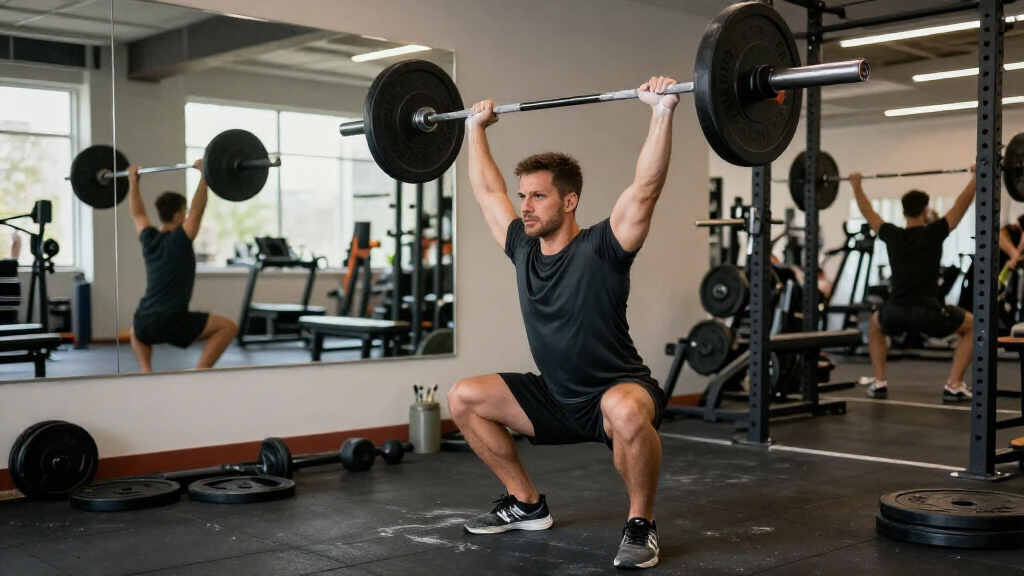
Zen described the overhead squat as a full-body movement requiring mobility, core engagement and flexibility. The exercise involves squatting while holding a pipe or barbell above the head, making it more demanding to stabilize than a standard squat. He said stability and activation through the quads and core matter, with the glutes playing a key role throughout the movement.
His suggested cue is to shift weight toward the outer edges of the feet while pressing the knees outward as the body lowers. Zen told Fit&Well that changing the position slightly can alter how the movement feels. The report presents this as his personal coaching tip; it does not provide a controlled test or evidence that the cue works the same way for everyone.
Fit&Well recommends learning the movement in stages. Beginners can start with a bodyweight squat while reaching overhead, then use a dowel, plastic pipe or broom to practice shoulder and spine alignment. Zen also suggests the Frankenstein squat, in which the arms extend forward at shoulder height, as an easier-to-stabilize variation. The report advises mastering the movement with a light implement before trying a barbell.
A Safer Route to Overhead Squats
The tip offers a concrete technique cue for people working on a movement that combines squat mechanics and overhead stability. Because the bar or pipe must remain above the shoulders while the hips and knees bend, a loss of balance or mobility can make the exercise difficult to control. Practicing with no load or a dowel gives people a way to work on positioning before adding weight.
The advice also has relevance beyond the overhead squat itself. The report says preparatory work may help develop squat mechanics, even for people who do not plan to lift a loaded bar overhead. However, Zen’s account is a trainer’s experience, not a guarantee of improved performance or an individualized assessment. People who have pain, limited mobility or existing injuries may need guidance from a qualified exercise professional.
wooden dowel exercise stick for mobility and squat practice
As an affiliate, we earn on qualifying purchases.
As an affiliate, we earn on qualifying purchases.
Building Up Before Adding Weight
The overhead squat is an advanced variation in which the lifter holds a bar, pipe or similar object overhead during the squat. Fit&Well’s report says people should first practice with an exercise stick or plastic pipe, rather than beginning with a barbell. The movement calls for mobility in the ankles, hips, spine and shoulders, as well as the ability to keep the implement steady.
The report outlines a progression from bodyweight practice to a dowel or pipe, then to more demanding versions. A squat-and-reach against a wall and a wall-facing squat with raised arms are named as ways to work on overhead positioning. In a Frankenstein squat, the arms stay forward at shoulder height, or a bar rests across the front of the shoulders, reducing the overhead stabilization demand while keeping a squat pattern.
For the full overhead squat, the instructions are to begin with feet around shoulder-width apart and toes slightly turned out, raise the implement above the shoulders, brace the core and lower while keeping the knees aligned over the feet. The report advises keeping the spine upright and the implement steady, and suggests working with an exercise professional or spotter where possible.
“The glutes support the whole movement, top to bottom.”
— Francesco Zen, speaking to Fit&Well
lightweight PVC pipe for overhead squat training
As an affiliate, we earn on qualifying purchases.
As an affiliate, we earn on qualifying purchases.
What the Report Does Not Establish
The source presents Zen’s cue as a tip that helped him improve his own technique. It does not report a study, measured performance change or comparison with other squat cues, so its effects have not been quantified in the material provided. The report also does not specify how often to practice, how long progression should take, or what mobility level is sufficient for each individual.
It is also not clear whether every lifter should use the same foot pressure or knee position. The instructions are general guidance, not a substitute for in-person coaching or assessment, particularly if a movement causes pain or a person has a pre-existing condition. Fit&Well’s report does not describe a follow-up test of Zen’s advice or provide independent verification of the claimed improvement.
resistance bands for shoulder mobility and squat warmups
As an affiliate, we earn on qualifying purchases.
As an affiliate, we earn on qualifying purchases.
Practice the Movement in Stages
For readers interested in trying the exercise, the report’s next step is to begin with bodyweight practice and overhead reaches, then use a dowel or pipe to rehearse the position. A Frankenstein squat offers another progression before attempting the full version. Only after becoming comfortable with the movement pattern should a person consider adding load, the report advises.
Zen’s account does not set out a formal training plan or a timeline for moving between stages. People attempting the exercise with weight can seek help from a qualified trainer or spotter, as Fit&Well recommends. The reported development is a technique tip rather than a new study or formal training standard; no additional testing or follow-up is included in the source material.
weightlifting shoes with stable flat sole for squats
As an affiliate, we earn on qualifying purchases.
As an affiliate, we earn on qualifying purchases.
Key Questions
What squat cue did Francesco Zen recommend?
Zen told Fit&Well to shift weight toward the outer parts of the feet and push the knees outward while lowering into the squat. He says this helped him engage his glutes during the overhead squat.
What is an overhead squat?
It is a squat performed while holding a pipe, dowel or barbell overhead. The movement requires a person to squat while keeping the implement steady above the shoulders.
How should a beginner prepare for an overhead squat?
Fit&Well recommends starting with a bodyweight squat and arms raised overhead, then practicing alignment with a dowel or plastic pipe. The report also describes the Frankenstein squat as a more easily stabilized variation.
Should beginners start with a barbell?
No. The report advises mastering the pattern with an exercise stick or plastic pipe before attempting the movement with a barbell. It also suggests working with an exercise professional or spotter when possible.
Source: rss
Fall Picks
fall essentials
As an affiliate, we earn on qualifying purchases.