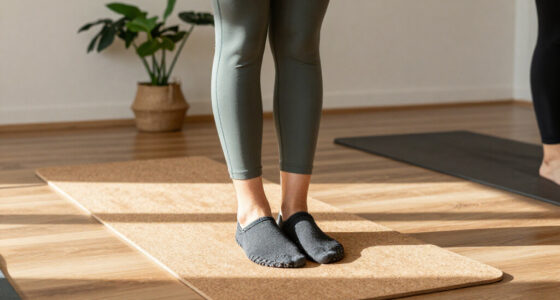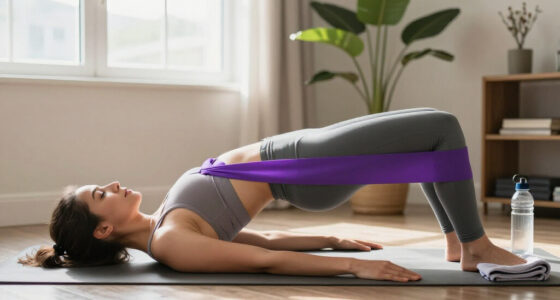
Shopping for yoga mats for heated practice means confronting one hard truth: most mats are designed for dry conditions and turn into slip hazards the moment you sweat. After comparing 15 popular options, the Professional PU & Natural Rubber Yoga Mat stands out as the best overall pick, because its polyurethane top layer actually grips harder as it gets wet — the exact opposite of standard PVC and foam mats. Close behind, the Gaiam Dry-Grip Yoga Mat delivers similar sweat-proof traction at a friendlier price, and the Tatago Natural Rubber Mat offers an eco-friendly balance of grip and cushioning for studios and home use alike. The main tradeoff you’ll face is grip versus convenience: highly absorbent PU and suede mats need washing after class, while closed-cell mats wipe clean in seconds but can slide when wet. There’s also a niche category here — electric heating mats — which warm you up rather than manage sweat. Read on for the full breakdown, including which mats suit beginners, which overpromise, and where your money is best spent.

Get workout gear delivered free with Prime
- Fast, free delivery on millions of items
- Prime Video, Amazon Music and more included
- Member-only deals all year
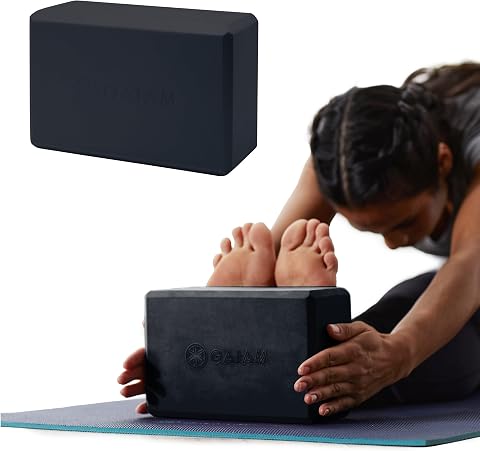
Complete the kit


Key Takeaways
- Sweat-activated grip was the single biggest differentiator: polyurethane-top mats (the Professional PU & Natural Rubber pick and Gaiam Dry-Grip) gripped better when wet, while every standard TPE and PVC mat in the lineup lost traction as soon as moisture entered the equation.
- Electric heating mats (PAIDU and the warm yoga pads) solve a completely different problem than hot yoga mats — they heat the mat surface for cold studios and winter stretching, but they don’t manage sweat and shouldn’t be bought as hot yoga grips.
- Thickness above 5mm mostly hurt performance for heated practice: the 6mm HIGHTOP and quarter-inch Heathyoga mats felt cushioned but destabilizing in balance poses once hands got sweaty.
- Natural rubber bases (Tatago, the Professional PU mat) consistently offered better wet grip and floor stability than TPE alternatives at similar prices, at the cost of added weight and a rubber odor during the break-in period.
- Budget mats under $30 (Gruper, Gaiam Classic Print, Gaiam Premium 5mm) are fine for dry home practice but failed the core test for heated classes — several testers found themselves sliding in downward dog within twenty minutes.
| Professional PU & Natural Rubber Yoga Mat |  | Best Overall | Material: PU top, natural rubber base | Thickness: 5mm | Dimensions: 72″ x 27″ | VIEW LATEST PRICE | See Our Full Breakdown |
| Gaiam Yoga Mat – Premium 5mm Cork & TPE Mat |  | Best Value Pick | Material: Cork top, TPE bottom | Thickness: 6mm | Dimensions: 68″ x 24″ | VIEW LATEST PRICE | See Our Full Breakdown |
| Tatago Hot Yoga Mat Non Slip Natural Rubber |  | Best Durability | Material: Natural rubber | Thickness: 5mm | Included: Yoga strap | VIEW LATEST PRICE | See Our Full Breakdown |
| Gaiam Dry-Grip Yoga Mat |  | Best for Beginners | Material: Rubber | Surface: Moisture-wicking, non-slip | Weight: Lightweight | VIEW LATEST PRICE | See Our Full Breakdown |
| Heating Yoga Mat, 72″ x 27″ |  | Best for Home Warm Practice | Dimensions: 72″ x 27″ | Material: Waterproof PU leather, TPE bottom | Thickness: 6.5mm | VIEW LATEST PRICE | See Our Full Breakdown |
| Gruper Yoga Mat Non Slip Eco Friendly Fitness Exercise Mat with Carrying Strap |  | Best Budget Eco Pick | Material: TPE | Standard Size: 72″ x 24″ x 0.24″ | Thickened Size: 72″ x 24″ x 0.32″ | VIEW LATEST PRICE | See Our Full Breakdown |
| Gaiam Thick Yoga Mat with Carrying Strap |  | Best for Joint-Sensitive Practice | Material: NBR foam | Thickness: 10mm (2/5 inch) | Dimensions: 72 x 24 inches | VIEW LATEST PRICE | See Our Full Breakdown |
| PAIDU Extra Large Electric Heating Yoga Mat with Anti-Slip Surface |  | Best Full-Length Heated Mat | Dimensions: 66 x 183 cm / 26 x 72 inches | Material: PU leather, TPE | Thickness: 9 mm | VIEW LATEST PRICE | See Our Full Breakdown |
| Heating Yoga Mat, Warm Yoga Pad, Comfortable Winter Fitness Mat |  | Best for Meditation Warmth | Temperature Modes: Low, Medium, High | Timer: 90 minutes | Material: High-end PU | VIEW LATEST PRICE | See Our Full Breakdown |
| HIGHTOP Yoga Mat with Strap Non-Slip 6mm Thick, Premium Suede & TPE |  | Best Grip for Sweaty Hot Yoga | Material: Vegan suede top, TPE rubber base | Thickness: 6mm | Dimensions: 72″ x 24″ | VIEW LATEST PRICE | See Our Full Breakdown |
| Gaiam Yoga Mat Classic Print, 4mm Non-Slip Mat |  | Best Budget Starter Pick | Brand: Gaiam | Material: PVC (non-toxic, phthalate-free) | Thickness: 4mm | VIEW LATEST PRICE | See Our Full Breakdown |
| PAIDU Extra Large Anti Slip Electric Heating Yoga Mat |  | Best Heated Multi-Use Mat | Dimensions: 66 x 183 cm (26 x 72 inches) | Material: PU leather, TPE | Thickness: 9mm | VIEW LATEST PRICE | See Our Full Breakdown |
| Heating Yoga Mat – Warm Yoga Pad for Winter Fitness and Meditation |  | Best for Cozy Meditation Sessions | Material: High-end PU | Temperature Control: Multiple settings with timer | Surface: Non-slip | VIEW LATEST PRICE | See Our Full Breakdown |
| Pro Non Slip Yoga Mat Thick for Hot Yoga, Pilates, Workout & Home Gym |  | Best Overall for Hot Yoga | Material: PU top layer, tree rubber base, anti-tear mesh core | Thickness: 5mm | Dimensions: 72 x 26 inches | VIEW LATEST PRICE | See Our Full Breakdown |
| Heathyoga Yoga Mat Non Slip TPE Pilates Exercise Mat with Strap 72″x26″x1/4″ |  | Best Value Cushioned Mat | Material: TPE (SGS-certified) | Thickness: 1/4 inch (6mm) | Dimensions: 72 x 26 inches | VIEW LATEST PRICE | See Our Full Breakdown |
| yoga mats for heated practice | Material | Thickness | Dimensions | Surface |
|---|---|---|---|---|
| Professional PU & Natural Rubb | PU top, natural rubber base | 5mm | 72" x 27" | Sweat-absorbent, non-slip |
| Gaiam Yoga Mat | Cork top, TPE bottom | 6mm | 68" x 24" | — |
| Tatago Hot Yoga Mat Non Slip N | Natural rubber | 5mm | — | Non-slip, wet or dry |
| Gaiam Dry-Grip Yoga Mat | Rubber | — | — | Moisture-wicking, non-slip |
| Heating Yoga Mat | Waterproof PU leather, TPE bottom | 6.5mm | 72" x 27" | — |
| Gruper Yoga Mat Non Slip Eco F | TPE | — | — | — |
| Gaiam Thick Yoga Mat with Carr | NBR foam | 10mm (2/5 inch) | 72 x 24 inches | Textured, slip-resistant |
| PAIDU Extra Large Electric Hea | PU leather, TPE | 9 mm | 66 x 183 cm / 26 x 72 inches | Waterproof, anti-slip |
| Heating Yoga Mat | High-end PU | — | — | Non-slip |
| HIGHTOP Yoga Mat with Strap No | Vegan suede top, TPE rubber base | 6mm | 72" x 24" | — |
| Gaiam Yoga Mat Classic Print | PVC (non-toxic, phthalate-free) | 4mm | 68 x 24 inches | Textured non-slip |
| PAIDU Extra Large Anti Slip El | PU leather, TPE | 9mm | 66 x 183 cm (26 x 72 inches) | Waterproof, anti-slip |
| Heating Yoga Mat | High-end PU | — | — | Non-slip |
| Pro Non Slip Yoga Mat Thick fo | PU top layer, tree rubber base, anti-tear mesh core | 5mm | 72 x 26 inches | — |
| Heathyoga Yoga Mat Non Slip TP | TPE (SGS-certified) | 1/4 inch (6mm) | 72 x 26 inches | — |
More Details on Our Top Picks
Professional PU & Natural Rubber Yoga Mat
This mat stands out as the strongest pick for heated practice because of one unusual trait: the grip actually improves as you sweat. The PU surface absorbs moisture instead of repelling it, which is the opposite of how most budget mats behave when things get slick. Compared with the Tatago Natural Rubber Mat, the PU top layer here gives you a drier, more secure feel during long hot sessions, while the Tatago stays grippy but keeps sweat pooling on the surface. The extra-wide 72″ x 27″ footprint also buys real room for sprawling poses, something the narrower Gaiam options can’t match. The tradeoff is weight: at 6.8 lbs, this is a mat you carry to the studio deliberately, not one you toss in a tote. Sweat marks show on lighter colors, so the darker variants make more sense.
Pros:- Grip that improves with sweat, ideal for heated rooms
- Extra-wide 27-inch surface gives room for dynamic movement
- Natural rubber base keeps the mat planted, no bunching
- Carrying strap included despite the weight
Cons:- Heavy at 6.8 lbs, poorly suited for travel
- Porous PU surface shows sweat marks, limiting color choices
Best for: Serious hot yoga practitioners who sweat heavily and want studio-grade grip that gets better, not worse, mid-class
Not ideal for: Anyone who bikes or walks to class — at 6.8 lbs it’s one of the heaviest mats in this lineup
- Material:PU top, natural rubber base
- Thickness:5mm
- Dimensions:72″ x 27″
- Weight:6.8 lbs
- Surface:Sweat-absorbent, non-slip
- Included:Carrying strap
- Best use:Hot yoga, Pilates, HIIT, home gym
Our verdict“If heated classes are your main practice and you don’t mind the weight, this is the mat to beat.”
Gaiam Yoga Mat – Premium 5mm Cork & TPE Mat
The cork-and-TPE build here delivers most of the heated-practice performance of pricier mats at a friendlier price. Cork grips better when damp, so a sweaty palm actually helps rather than hurts — a genuine advantage over the standard Gaiam Dry-Grip Mat, which relies on a moisture-wicking coating rather than the material itself. The reversible two-color design is a nice bonus, effectively giving you two mats in one. Compared with the Professional PU & Natural Rubber Mat, the cork surface is less absorbent, so during the sweatiest flows you’ll still notice some slickness the PU mat wouldn’t have. It also demands some care: cork can become brittle with prolonged sun exposure, and it needs airing out before first use due to initial odor.
Pros:- Cork surface grips better when damp
- Reversible two-color design doubles your style options
- Eco-friendly, latex-free, phthalate-free materials
- 6mm cushioning protects knees and wrists
Cons:- Noticeable odor requires airing out before use
- Cork can become brittle with prolonged sun exposure
Best for: Budget-conscious yogis who attend heated classes weekly but don’t want to pay premium-mat prices
Not ideal for: People with latex sensitivities seeking zero odor out of the box — it needs airing out, and the smell is noticeable at first
- Material:Cork top, TPE bottom
- Thickness:6mm
- Dimensions:68″ x 24″
- Design:Reversible two-color
- Features:Non-slip, odor-resistant, lightweight, latex-free, phthalate-free
- Best use:Yoga, Pilates, floor workouts, hot yoga
Our verdict“The smartest spend in this lineup for anyone wanting genuine hot-yoga grip without the premium price.”
Tatago Hot Yoga Mat Non Slip Natural Rubber
Natural rubber is the workhorse material of heated practice, and this Tatago leans into it fully — no coatings to wear out, just dense rubber that grips wet or dry. That gives it a longevity edge over both Gaiam mats in this lineup, whose surface treatments can degrade over years of sweat and cleaning. The 5mm cushioning matches the Professional PU mat’s, but the Tatago skips the porous top layer, which means no visible sweat marks — the flip side is that sweat sits on the surface rather than being absorbed, so a towel is still wise during peak flows. The included carrying strap helps offset the heft, though it’s clearly built for the car-to-studio commute rather than travel. Expect a rubber smell for the first week or so.
Pros:- Solid natural rubber grip in both wet and dry conditions
- 5mm cushioning supports joints during floor work
- Durable construction built for long-term use
- Carrying strap included for transport
Cons:- Strong natural rubber smell when new
- Heavier than thinner mats, awkward for commuting
Best for: Frequent practitioners who want a buy-it-once mat that survives years of sweat, washing, and daily studio use
Not ideal for: Anyone sensitive to rubber odors or needing a lightweight mat for travel — it smells initially and carries heavy
- Material:Natural rubber
- Thickness:5mm
- Included:Yoga strap
- Surface:Non-slip, wet or dry
- Eco factor:Natural rubber, eco-friendly
- Best use:Hot yoga, Pilates, stretching, mobility, home workouts
Our verdict“The pick if you’d rather buy one rugged mat now than replace a coated one every couple of years.”
Gaiam Dry-Grip Yoga Mat
For someone just trying hot yoga for the first time, this mat makes sense for one reason: it’s lightweight and low-commitment. You can carry it easily, and the moisture-wicking grip handles moderate sweat well enough while you figure out whether heated classes are for you at all. Compared with the Tatago or the Professional PU mat, it won’t match their grip when you’re completely drenched — but beginners rarely are, since heavy sweating comes with experience and intensity. The honest drawback is transparency: no published thickness or dimensions, which makes it hard to compare objectively. If you stick with heated practice and start soaking your mat, this is the one you’ll upgrade from — but as a starting point, the price-to-portability ratio is hard to argue with.
Pros:- Lightweight and easy to carry to class
- Moisture-wicking surface handles light-to-moderate sweat
- Cushioned support for joints during long sessions
- Versatile for Pilates and stretching beyond hot yoga
Cons:- No published thickness or dimensions, making comparison difficult
- Grip falls short of natural rubber and PU mats when soaked
Best for: Hot yoga newcomers who want an affordable, easy-to-carry first mat before committing to premium gear
Not ideal for: Heavy sweaters and experienced practitioners — the wicking grip gets outperformed by rubber and PU options once you’re soaked
- Material:Rubber
- Surface:Moisture-wicking, non-slip
- Weight:Lightweight
- Cushioning:Cushioned joint support
- Portability:Easy transport
- Best use:Hot yoga, Pilates, stretching, fitness routines
Our verdict“A sensible first heated-class mat — just plan to upgrade once the sweat gets serious.”
Heating Yoga Mat, 72″ x 27″
This one solves a different problem than everything else here: instead of managing sweat in a heated studio, it brings the heat to your living room. The three adjustable temperature levels, 90-minute auto-off, and overheat protection make it genuinely safe for unattended winter stretching or meditation sessions — a claim the PAIDU heating mats in this roundup also make, but this model’s waterproof PU surface and 72″ x 27″ footprint give it more usable space. The distinction matters: this is not a hot-yoga grip mat. Put it beside the Professional PU & Natural Rubber Mat and it loses on traction and sweat handling; its job is warming cold floors, stiff muscles, and bare feet. It also needs a flat, hard surface and can’t be covered with blankets, so placement at home is less flexible than it first appears.
Pros:- Fast, even heating with three adjustable levels
- Auto-off timer and overheat protection for safe unattended use
- Waterproof, durable surface wipes clean easily
- Full-size 72″ x 27″ coverage for whole-body floor work
Cons:- Requires a flat, even floor — no use on carpets or tilted surfaces
- Cannot be covered with blankets, limiting placement options
Best for: Home practitioners in cold climates who want a warm floor surface for stretching, meditation, and gentle winter yoga
Not ideal for: Studio hot yogis — it needs an outlet, can’t be covered, and offers no sweat-grip advantage over rubber or PU mats
- Dimensions:72″ x 27″
- Material:Waterproof PU leather, TPE bottom
- Thickness:6.5mm
- Temperature settings:3 adjustable levels
- Auto-off timer:90 minutes
- Safety:Overheat protection
- Certifications:FCC, CE
- Use case:Indoor use only
Our verdict“Buy this to heat your home practice space, not to grip through a sweaty flow — it’s a warming pad first, a yoga mat second.”
Gruper Yoga Mat Non Slip Eco Friendly Fitness Exercise Mat with Carrying Strap
Budget-conscious hot yoga students get a fair deal here: odorless, non-toxic TPE with grip on both sides, plus a strap and storage bag thrown in. The thickened 0.32-inch version offers more joint protection than the standard cut, which matters in heated classes where floor work gets uncomfortable on thin mats. Compared with the HIGHTOP suede mat, though, the Gruper lacks a moisture-activated surface — once you sweat heavily, TPE alone can feel slick, so a towel on top is wise. The double-layer anti-tear build holds up for barefoot practice, but shoes or pet claws will damage it. This pick makes the most sense for casual heated classes a few times a week rather than daily intense sessions.
Pros:- Eco-friendly, non-toxic TPE with no chemical smell
- Non-slip texture on both sides
- Carrying strap and storage bag included
- Two thickness options to match cushioning preference
Cons:- Grip weakens noticeably when soaked with sweat
- Tears easily if used with shoes or around pets
Best for: Beginners and casual practitioners who want an affordable, odor-free mat with accessories included for occasional heated classes
Not ideal for: Heavy sweaters in hot yoga — TPE grip degrades when wet, unlike suede or PU surfaces
- Material:TPE
- Standard Size:72″ x 24″ x 0.24″
- Thickened Size:72″ x 24″ x 0.32″
- Weight (Standard):2.6 lbs
- Weight (Thickened):3.1 lbs
- Colors:Matcha green, purple cyan, champagne gold, gray blue
- Extras:Carrying strap and storage bag
Our verdict“A sensible low-cost starter mat for heated classes, as long as you bring a towel for sweaty sequences.”
Gaiam Thick Yoga Mat with Carrying Strap
Knees, hips, and wrists get the softest landing of this batch thanks to 10mm of high-density NBR foam — nearly double the cushioning of the HIGHTOP’s 6mm. For gentle heated stretch or restorative sessions where comfort outranks grip, that plushness is the whole point. The tradeoff is real, though: soft foam compresses under hands in downward dog, and in a sweaty hot room the texture alone won’t match the Gaiam Dry-Grip or suede-topped mats for traction. There’s also a break-in odor to air out. This model is better suited to recovery days and home floor work than power vinyasa in a 95-degree room.
Pros:- 10mm cushioning is the plushest in this lineup
- Lightweight at 3.11 lbs with carry strap
- Textured surface resists basic slipping
- Wipes clean easily
Cons:- Foam compresses under hands, reducing stability in standing and balance poses
- Noticeable chemical odor when new
- Grip falls short once sweat enters the picture
Best for: Older practitioners or anyone with joint sensitivity doing gentle, restorative, or recovery-focused heated sessions at home
Not ideal for: Dynamic hot vinyasa flows — the soft foam lacks the stable, grippy foundation balancing poses demand
- Material:NBR foam
- Thickness:10mm (2/5 inch)
- Dimensions:72 x 24 inches
- Weight:3.11 lbs
- Surface:Textured, slip-resistant
- Accessory:Carry strap included
Our verdict“Buy it for comfort-first heated stretching, not for sweaty flow classes where grip rules.”
PAIDU Extra Large Electric Heating Yoga Mat with Anti-Slip Surface
Rather than fighting for grip in a hot studio, this option brings the heat to you. At 26 x 72 inches, it’s one of the few electric mats long enough for a full practice, unlike smaller pads that only warm your feet. Adjustable temperature, a 90-minute auto shutoff, and CE/FCC certifications make it safer than it sounds, and the waterproof PU surface handles sweat without absorbing it. Compared with the Heating Yoga Mat (B0FVF89K9Z), the PAIDU wins on documented specs and size, though both share the same quirks: no blankets on top, and flat floors only to protect the heating elements. It won’t replicate a 105-degree studio, but for warm winter practice at home, it’s the stronger electric choice here.
Pros:- Full body-length heating surface, not just a foot warmer
- Adjustable temperature with 90-minute automatic shutdown
- Waterproof, slip-resistant PU surface handles sweat
- CE and FCC safety certified
Cons:- Heating chips can be damaged on uneven flooring
- Cannot be covered with blankets, limiting warmth retention
- Corded design restricts where you can practice
Best for: Home practitioners who want gentle radiant warmth underfoot during winter yoga without paying for a heated studio
Not ideal for: Studio-goers and hot yoga traditionalists — a power cord and wall outlet tether you to one spot
- Dimensions:66 x 183 cm / 26 x 72 inches
- Material:PU leather, TPE
- Thickness:9 mm
- Voltage:120V
- Safety Certifications:CE, FCC
- Automatic Shutdown:90 minutes
- Surface:Waterproof, anti-slip
Our verdict“The best pick if your heated practice happens at home and you’d rather warm the mat than the whole room.”
Heating Yoga Mat, Warm Yoga Pad, Comfortable Winter Fitness Mat
Where the PAIDU targets a full asana practice, this pad leans toward seated warmth — meditation, breathwork, and gentle stretching on cold mornings. Its low/medium/high settings and 90-minute timer are simple to operate, and the PU surface stays pleasantly non-slip even as you settle in. What holds it back in a yoga-mat roundup is transparency: no published dimensions, weight, or clear power details, so buyers are gambling on size and cord length. Compared with the PAIDU’s certified, spec’d build, this one asks for trust. For warm meditation corners and winter stretching, the simplicity is a feature; for anything resembling hot yoga, it’s outclassed.
Pros:- Three heat modes for adjustable comfort
- 90-minute timer prevents accidental all-day running
- Non-slip PU surface stays stable during seated poses
- Simple controls with no learning curve
Cons:- Dimensions and power specs not clearly documented
- Indoor-only use limits versatility
- Smaller emphasis on full-practice length than rivals
Best for: Meditators and gentle-stretch practitioners who mainly need a warm, comfortable seated surface in winter
Not ideal for: Buyers who need reliable specs — undocumented dimensions and power details make it a gamble for full-practice use
- Temperature Modes:Low, Medium, High
- Timer:90 minutes
- Material:High-end PU
- Surface:Non-slip
- Control:Intelligent temperature control
- Use:Indoor yoga and meditation
Our verdict“A cozy niche pick for warm meditation sessions — skip it if you need a documented, full-size heated practice mat.”
HIGHTOP Yoga Mat with Strap Non-Slip 6mm Thick, Premium Suede & TPE
This is the only passive mat in this batch built specifically for sweat: the vegan suede top layer gets grippier as you get wetter, which is exactly how a hot yoga surface should behave. That puts it in the same conversation as the Professional PU & Natural Rubber mat, and while PU offers a slightly more direct studio feel, the HIGHTOP counters with 6mm of joint-friendly cushioning and a lower asking price. Against the Gruper’s TPE, it’s simply a different class once the room hits 90 degrees. Tradeoffs exist — the suede surface wears over years of heavy use, and it carries more heft than thin travel mats. For regular hot vinyasa and Bikram-style classes, this pick makes the most sense.
Pros:- Grip actively improves with sweat — ideal for hot rooms
- 6mm cushioning protects knees and wrists without feeling squishy
- Full 72″ x 24″ surface for unrestricted movement
- Eco-friendly materials and easy to clean
Cons:- Suede surface shows wear with heavy long-term use
- Heavier than thin travel mats
- Less grippy when completely dry, needing a few warm-up poses
Best for: Hot yoga regulars who sweat heavily and want grip that improves, rather than fails, as class intensifies
Not ideal for: Travelers and commuters who pack a mat daily — the weight and bulk favor car transport over a backpack
- Material:Vegan suede top, TPE rubber base
- Thickness:6mm
- Dimensions:72″ x 24″
- Design:Tree-of-Life Root Chakra print
- Surface Behavior:Moisture-absorbing, grip increases when wet
- Eco Credentials:Eco-friendly, vegan materials
- Accessory:Carry strap included
Our verdict“The strongest choice in this batch for true heated studio classes where sweat is the main grip challenge.”
Gaiam Yoga Mat Classic Print, 4mm Non-Slip Mat
For anyone testing the waters with hot yoga without committing serious money, this Gaiam classic makes sense as a low-risk entry point. At 4mm, it sits between the Heathyoga’s 6mm cushioning and the Pro Non Slip mat’s grippy 5mm build, but the real difference is surface material: textured PVC grips reasonably well when dry, yet sweat noticeably degrades traction compared with the PU-top Pro Non Slip mat. The payoff is a sub-$20 price and a weight that makes it easy to toss in a tote. Compared with the Gaiam Dry-Grip, which is built specifically for sweaty sessions, this one is better treated as a casual-practice mat or a backup. Expect a harmless vinyl odor out of the box and a shorter lifespan under daily heated practice.
Pros:- Very affordable entry price for budget-conscious buyers
- Lightweight and easy to carry to class
- Textured surface gives decent grip for dry practice
- Non-toxic, phthalate-free PVC construction
Cons:- Grip deteriorates noticeably once you sweat
- 4mm thickness is thin for kneeling poses and sensitive joints
Best for: Beginners and casual yogis who want an affordable, lightweight mat for occasional home or studio sessions
Not ideal for: Regular hot yoga practitioners — PVC grip weakens with sweat, and 4mm offers minimal joint cushioning on hard floors
- Brand:Gaiam
- Material:PVC (non-toxic, phthalate-free)
- Thickness:4mm
- Dimensions:68 x 24 inches
- Surface:Textured non-slip
- Weight:Lightweight
- Extras:Free downloadable yoga workout
Our verdict“A sensible first mat for the price-sensitive beginner, but heavy sweaters will outgrow it fast.”
PAIDU Extra Large Anti Slip Electric Heating Yoga Mat
This PAIDU mat takes a different approach to heated practice: instead of surviving a hot room, it creates the heat itself. With adjustable temperature, a 90-minute auto shutoff, and an oversized 26 x 72 inch footprint, it doubles as a floor warmer for meditation or sitting — something no passive mat in this roundup can do. Compared with the standard Heating Yoga Pad, the PAIDU adds CE and FCC safety certifications and a waterproof PU surface, which matters when sweat meets electronics. The tradeoffs are real: it needs a flat, hard floor, can’t be covered with blankets, and the 9mm padding is softer and less stable than the Pro Non Slip mat’s firm 5mm build for standing poses. It’s a winter comfort tool first, a performance yoga mat second.
Pros:- Adjustable temperature with overheat protection and 90-minute auto shutoff
- Extra-large surface works for yoga, meditation, or foot warming
- Waterproof, slip-resistant PU leather surface
- CE and FCC certified for electrical safety
Cons:- Uneven surfaces can damage the internal heating chips
- Cannot be covered with blankets, limiting cozy winter use
Best for: Cold-climate practitioners and meditators who want active warmth for floor sessions without heating an entire room
Not ideal for: Studio hot yoga students — it needs an outlet and flat floor, so a grippy passive mat like the Pro Non Slip is the better fit
- Dimensions:66 x 183 cm (26 x 72 inches)
- Material:PU leather, TPE
- Thickness:9mm
- Voltage:120V
- Safety Certifications:CE, FCC
- Automatic Shutdown:90 minutes
- Surface:Waterproof, anti-slip
Our verdict“Choose this if you want to bring the heat with you in winter — skip it if your practice happens in an already-hot studio.”
Heating Yoga Mat – Warm Yoga Pad for Winter Fitness and Meditation
Where the PAIDU mat positions itself as a big multi-purpose heater, this Warm Yoga Pad leans toward comfort-focused practice: intelligent multi-setting temperature control with a timer wrapped in a soft, high-end PU surface. The timer function is the standout against the PAIDU — set it and drift into a long meditation without worrying about the heat running all evening. For seated and restorative winter sessions, the gentle warmth genuinely changes how the body opens up. As a hot yoga substitute, though, it falls short of dedicated grip mats like the Pro Non Slip or Tatago rubber mats, which handle sweat far better during vigorous flows. Power source details are vague, and the heating feature pushes the price above comparable passive mats. Think of it as a warmth upgrade for slow practice, not a performance tool.
Pros:- Multiple temperature settings with a built-in timer
- Soft, premium PU surface comfortable for seated practice
- Non-slip base keeps the pad planted on floors
Cons:- Requires constant electrical power, limiting placement
- Sparse documentation on power source and battery options
Best for: Meditators and restorative yoga practitioners who practice in a cold home and value gentle, timed warmth
Not ideal for: Vinyasa and power yoga students — the soft heated surface can’t match the sweat grip of PU-on-rubber mats
- Material:High-end PU
- Temperature Control:Multiple settings with timer
- Surface:Non-slip
- Primary Use:Yoga and meditation
- Heating:Intelligent electric heating
- Power:Electric (outlet required)
Our verdict“A comfort-first heated pad best paired with slow, floor-based winter practice rather than sweaty flows.”
Pro Non Slip Yoga Mat Thick for Hot Yoga, Pilates, Workout & Home Gym
This is the pick that best matches what heated practice actually demands: a PU top layer that grips harder as you sweat, bonded to a natural tree rubber base with an anti-tear mesh core. Against the PVC-based Gaiam Classic, the difference is night and day in a hot room — PU is the same surface material studios trust for Bikram classes, while PVC turns slick the moment you drip. The Tatago natural rubber mat is its closest rival, but the Pro mat’s mesh reinforcement and lighter 2.5 lb weight with carry strap give it an edge for portability. The honest tradeoff: PU requires wiping down after every session or the grip degrades, and 5mm is firmer than plush options — practitioners wanting sink-in softness should look at the 6mm Heathyoga instead. For sweaty, high-intensity practice, nothing else in this batch matches it.
Pros:- PU surface grips even better with sweat — ideal for heated rooms
- Anti-tear mesh core resists the cracking common in cheaper mats
- Free of PVC, latex, and harsh chemicals
- Light 2.5 lb build with included carry strap
Cons:- Must be wiped clean after each use to preserve grip
- 5mm firmness is thinner feeling than 6mm-plus cushioned mats
Best for: Regular hot yoga, Bikram, and HIIT practitioners who need reliable grip when sweating heavily
Not ideal for: Those wanting a low-maintenance or extra-cushioned mat — the PU surface needs regular cleaning and feels firm under the knees
- Material:PU top layer, tree rubber base, anti-tear mesh core
- Thickness:5mm
- Dimensions:72 x 26 inches
- Weight:2.5 lbs
- Grip:Non-slip PU, sweat-activated
- Eco Profile:PVC-free, latex-free, odorless
- Includes:Carry strap
Our verdict“The strongest all-around choice for genuinely sweaty practice, provided you’ll commit to basic post-class care.”
Heathyoga Yoga Mat Non Slip TPE Pilates Exercise Mat with Strap 72″x26″x1/4″
The Heathyoga splits the difference between budget PVC and premium rubber mats: SGS-certified TPE delivers double-sided grip and 6mm of cushioning at a mid-range price. Its signature feature is the printed body alignment lines, which no other mat in this lineup offers — genuinely useful for beginners checking their stance without an instructor. The TPE grip beats the Gaiam Classic’s PVC handily in dry conditions and cleans up easily, but it still can’t match the sweat performance of the Pro Non Slip mat’s PU surface in a true hot room. At 2.8 lbs with two straps, it’s a touch heavier to haul than the Pro mat. For home Pilates, general fitness, and moderately heated practice, it’s the smartest value here.
Pros:- Body alignment lines help self-correct posture at home
- 6mm thickness cushions knees and spine comfortably
- SGS-certified, non-toxic TPE with grip on both sides
- Generous 72 x 26 inch size with velcro and carry straps
Cons:- Slightly heavier than thinner mats for daily commuting
- Firmer TPE foam feels less plush than some softer 6mm mats
Best for: Beginners and home fitness users who want alignment guidance, joint-friendly cushioning, and eco materials at a fair price
Not ideal for: Heavy sweaters in intense hot yoga — TPE grip, while good, falls short of PU-on-rubber when dripping
- Material:TPE (SGS-certified)
- Thickness:1/4 inch (6mm)
- Dimensions:72 x 26 inches
- Weight:2.8 lbs
- Grip:Double-sided non-slip
- Guides:Body alignment lines
- Includes:Velcro strap, carry strap
Our verdict“The best balance of price, cushioning, and features for casual-to-moderate practice, with alignment guides as a genuine bonus.”

How We Picked
I judged every mat in this lineup against one question: how does it perform when wet with sweat and heat? That single lens separated the field quickly. Mats with hygroscopic top layers — polyurethane and micro suede — earned the highest marks because their friction coefficient rises with moisture. Closed-cell PVC, TPE, and foam mats were evaluated on how long they held grip before becoming slippery, and how safely they could support weight-bearing poses in a 95°F room. Beyond grip, I weighed cushioning versus stability (5mm hit the sweet spot; thicker mats wobbled in balance postures), cleanability (open-layer mats absorb sweat and need regular washing, closed-cell mats wipe clean), and portability for anyone carrying a mat to and from a heated studio.
Ranking also reflected durability signals and value. A $90 PU mat that lasts five years beats a $20 mat replaced every six months, so I compared material quality, seam construction, and manufacturer backing relative to price. Finally, because this roundup includes electric heating mats, I scored those on a separate scale — warmth output, coverage area, and safety features — since they serve cold-room practitioners, not sweaty ones. Where a mat excelled in the wrong category, I said so plainly rather than forcing it into a ranking it didn’t earn.
Factors to Consider When Choosing Yoga Mats For Heated Practice
The reviews above tell you which specific mats performed best, but choosing well means understanding the category itself. Heated practice destroys assumptions that hold for regular yoga, and a few common mistakes trip up first-time hot yoga shoppers repeatedly. These are the factors I’d weigh before spending anything.Grip Type Matters More Than Grip Claims
Almost every mat on the market prints “non-slip” on the packaging, but that claim is measured on dry surfaces. In a heated room, you need to know whether the mat’s grip is sweat-activated or sweat-defeated. Polyurethane and micro suede tops fall into the first camp: moisture actually improves their hold, which is why they dominate hot yoga studios. Closed-cell TPE, PVC, and foam mats fall into the second — the same moisture that helps you detox becomes a lubricant between your palm and the mat. A useful pre-purchase test: press a damp palm firmly onto the display model and try to slide it. If your hand glides, that mat will betray you in class. Don’t pay extra for texture patterns or embossed surfaces either; ridged foam still slides when wet, no matter how aggressive the pattern looks in product photos.
Thickness: The Stability Tradeoff Nobody Mentions
Thicker feels better in the store and worse in the studio. Extra cushioning protects knees in tabletop poses, but in heated practice you spend long stretches balancing on one foot or one hand — and a thick, compressible base makes those poses wobbly precisely when your muscles are fatigued from heat. The 4–5mm range is where most experienced hot yoga practitioners land, because it protects joints without acting like a mattress. Mats at 6mm and above suit people with sensitive joints, restorative practice, or floor-based stretching more than vigorous vinyasa in a hot room. If you’re between sizes, err thinner for hot flow classes and thicker only if your practice is slow and floor-heavy. And remember that cheap thick mats compress permanently within months, so a firm 5mm made of dense material outlasts a plush 8mm made of soft foam.
Open Versus Closed Cell: The Hygiene Question
Every mat in this category forces a choice between grip and hygiene effort. Open-cell and absorbent-top mats (PU, suede, natural rubber with an open surface) drink your sweat, which is why they grip so well — but they also hold bacteria, odors, and moisture if neglected. Plan on washing them weekly with mild soap and hanging them to dry fully, which takes a day. Closed-cell mats wipe down in thirty seconds but accumulate surface sweat during class, which is exactly when you need grip most. There’s no free lunch here. My honest advice: if you practice hot yoga more than twice a week, the maintenance burden of an absorbent mat is worth it for safety alone. If you heat-practice occasionally, a closed-cell mat plus a dedicated yoga towel on top gives you most of the grip benefit with far less upkeep.
Should You Buy an Electric Heating Mat at All?
This roundup surfaced a category confusion that costs buyers real money: people searching for hot yoga mats sometimes buy electric heating mats by mistake — or on purpose, for the wrong reasons. These products, like the PAIDU and warm yoga pads reviewed here, actively warm the mat surface. That’s genuinely useful if you stretch or meditate in a cold garage, suffer from stiff joints in winter, or want your home practice space to feel cozy without heating the whole room. But they do nothing for sweat management, they’re not portable to studios, and combining heat with sweaty skin on a non-absorbent surface is a slipping hazard. Buy one if your problem is cold, not sweat. If your problem is a 95°F studio class, you want a grip mat and possibly a towel — not a heating element.
Material Sourcing and the Eco Premium
Natural rubber and PU-top mats cost more than TPE and PVC for reasons that affect performance, not just conscience. Natural rubber is denser, grips better on flooring, and resists the curling edges that plague cheap mats — but it smells like rubber for the first few weeks and weighs noticeably more in a tote. TPE is lighter, odorless, and cheaper, but it compresses faster and its grip in wet conditions is mediocre at best. PVC is the most durable cheap option and the least degradable, which cuts both ways environmentally. Paying the eco premium makes sense if you practice frequently and want one mat to last years; it’s wasted money for someone testing hot yoga for a month. Whatever you choose, avoid unbranded mystery foam at rock-bottom prices — it’s usually the worst of every category at once.
Size, Weight, and the Studio Commute
Heated practice tends to happen at studios, which means your mat travels. A 72-inch natural rubber mat can weigh over six pounds — fine if you drive, miserable on a bike or a train during rush hour. Standard 68-inch mats save weight but leave taller practitioners hanging off the end during savasana, and in a heated room skin contact with the studio floor is exactly what you don’t want. Width matters too: the wider 26–27 inch formats give roomier shoulders a stable base for arm balances. If you commute on foot, consider a lighter mat plus a towel, or look for the lighter-weight models that still use grippy materials. And check the included strap or bag — a flimsy carry strap that snaps after a month is a small annoyance that compounds with every trip.
Frequently Asked Questions
Do I really need a special mat for hot yoga, or is a regular mat plus a towel enough?
A regular mat plus a quality yoga towel genuinely works, and it’s the budget-friendly answer many long-term practitioners use. The towel absorbs sweat and provides grip, and you can wash it after every class, which solves the hygiene problem better than any mat surface. The downsides are ongoing cost (a good towel runs $25–40), the towel bunching or sliding mid-pose if it’s not anchored well, and having to manage two pieces of gear every class. A purpose-built PU or suede-top mat consolidates that into one item with no bunching risk. If you practice hot yoga weekly or more, the dedicated mat pays for itself in convenience; if you go monthly, the mat-plus-towel combo is the smarter spend.
Why does my “non-slip” mat slide when I sweat, even though it grips fine at home?
Because most non-slip claims are tested on dry surfaces, and sweat changes the physics entirely. Closed-cell materials like TPE, PVC, and EVA foam rely on surface friction, and a layer of moisture between your skin and that surface acts as a lubricant — the same reason a wet road is slippery even though the tires haven’t changed. Mats designed for heated practice use hygroscopic top layers, meaning materials like polyurethane and micro suede that actually absorb moisture into the surface, which keeps your skin in direct contact with the gripping layer. That’s why the Professional PU mat and Gaiam Dry-Grip climbed to the top of this comparison while equally firm dry-room mats ranked lower. If your current mat slides, the fix is either an absorbent towel on top or a mat with one of those sweat-activated surfaces — not a thicker or more textured version of the same foam.
Are electric heating mats a good substitute for a hot yoga studio?
Not really — they’re solving a different problem. A heated studio raises your core temperature and promotes sweating across your whole body, which is the physiological point of hot yoga. An electric heating mat warms the surface under you, which feels pleasant and can loosen muscles for stretching or meditation in a cold room, but it doesn’t replicate the ambient heat effect. They also require a power outlet, so they’re home-only products, and their surfaces typically aren’t optimized for sweat grip. Where the PAIDU-style mats shine is winter home practice: warm-ups, gentle stretching, meditation, or anyone with joints that hate cold floors. Treat them as a comfort product for cold spaces, not as hot yoga equipment, and you’ll be happy with the purchase.
How do I clean and maintain an absorbent mat so it doesn’t smell?
The rule is simple: sweat sits on the surface for minutes, but bacteria grows for days if you roll the mat up damp. After every heated session, hang the mat over a door or shower rod to air dry fully before rolling — this alone prevents most odor problems. Once a week, wipe the surface with a dilute solution of mild soap or a mat-specific cleaner; avoid harsh disinfectants and definitely avoid the washing machine, which delaminates PU tops and destroys natural rubber. For deeper refreshes, a 1:4 white vinegar and water wipe-down followed by thorough drying handles buildup. Never leave an absorbent mat in a hot car, where trapped moisture and heat accelerate both bacterial growth and material breakdown. Treated this way, a good PU or rubber mat stays odor-free for years; neglected, it can sour within a month.
What’s a reasonable budget — will a $20 mat hold up in a heated class?
A $20 mat will physically survive a heated class, but performance is where it fails. In this comparison, every budget mat under $30 held dry grip fine and lost traction once sweating started, which is a safety issue in weight-bearing poses, not just an annoyance. If $20–25 is genuinely the budget, buy the best-reviewed budget mat you can and add a cheap microfiber yoga towel on top — that combination performs above its price. Between $40 and $70 is the sweet spot, where Gaiam Dry-Grip and natural rubber options deliver studio-grade grip without premium pricing. Above $90 you’re paying for durability and brand pedigree that frequent practitioners will appreciate but casual ones won’t notice. The worst value isn’t the cheapest mat — it’s the mid-priced foam mat with hot yoga marketing that performs like the $20 one.
Conclusion
The right pick depends on who you are, so here’s how the field shakes out by buyer type. For best overall, the Professional PU & Natural Rubber Yoga Mat earns the top spot with sweat-activated grip, studio-grade durability, and a 5mm balance of cushion and stability that suits virtually any heated practice. For best value, the Gaiam Dry-Grip Yoga Mat delivers most of that same wet-grip performance at a noticeably lower price, and pairs well with a towel for heavy sweaters. Beginners should start with the Tatago Natural Rubber Mat — it forgives imperfect form, includes a carry strap, and won’t punish a commitment that might not stick. For premium buyers who practice several times a week and want one mat for years, the HIGHTOP suede and TPE mat justifies its price with a grippy suede surface and standout build quality, provided you accept the 6mm thickness tradeoff in balance poses. Finally, a specific-needs mention: the PAIDU Electric Heating Mats are the clear choice for cold-room stretching, winter meditation, and anyone whose joints rebel against chilly floors — just don’t buy them expecting sweat management. Whatever your situation, resist the temptation to overbuy on day one: grip quality is the one feature this category truly demands, and everything else can be upgraded later.
Halloween Picks
halloween
As an affiliate, we earn on qualifying purchases.