
TL;DR

Get workout gear delivered free with Prime
- Fast, free delivery on millions of items
- Prime Video, Amazon Music and more included
- Member-only deals all year
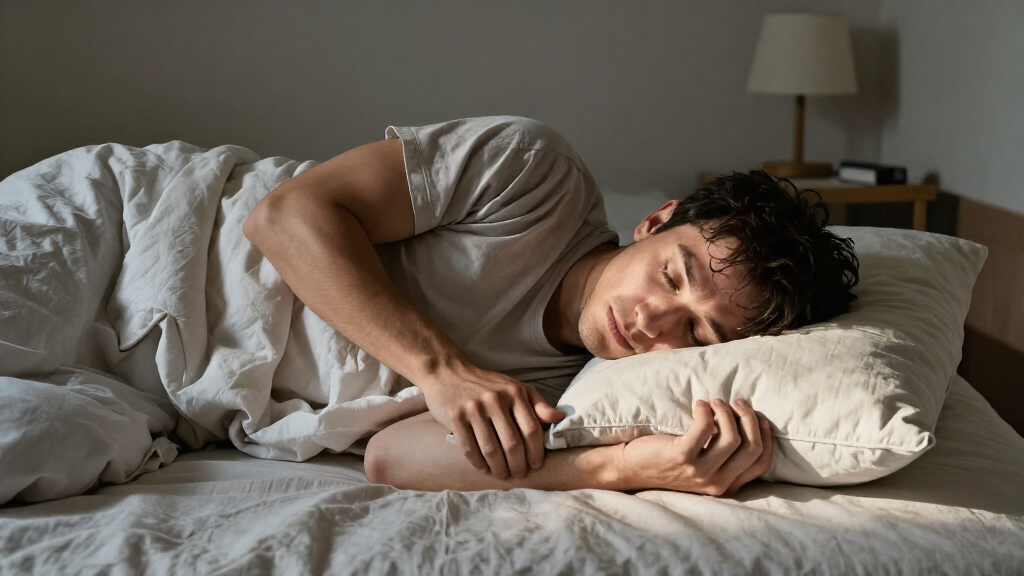
Physiologist and wellbeing expert Oli Patrick has shared five behavioral habits intended to support sleep: allow seven hours, keep a consistent schedule, get morning light, darken the bedroom and cool down before bed. The advice appeared in Fit&Well after Patrick spoke at an event for a smart mattress product; it is his guidance, not evidence that the checklist treats sleep disorders.
Physiologist and wellbeing expert Oli Patrick has recommended five habits for people who struggle to fall asleep or feel rested: leave enough time for seven hours of sleep, keep sleep and wake times steady, seek morning light, reduce bedroom light at night and cool the body before bed. He shared the checklist with Fit&Well while speaking at an event marking the launch of Eight Sleep’s Pod 6, a temperature-adjusting mattress cover.
Patrick said people can work on their sleep without buying a device, despite his support for the Pod 6. His first recommendation is to provide an opportunity for at least seven hours of sleep. He said sleep supports biological processes including memory consolidation and tissue repair, and described seven hours as a target that allows time for those functions. The article presents this as Patrick’s advice; it does not report a clinical trial of the checklist.
His next two points focus on timing and light. Patrick recommends going to bed and waking at roughly the same times each day, and getting 10 to 15 minutes of daylight within an hour of waking. He said morning light helps provide cues to the body’s circadian system. When outdoor sunlight is unavailable, he mentioned bright, UV-filtered artificial light as another option. Patrick also said morning light may help when sleep duration or timing has been inconsistent.
For the evening, Patrick advises making the bedroom as dark as a person can tolerate, including limiting phone, television and laptop use near bedtime. His fifth suggestion is to lower body temperature before sleep. He pointed to avoiding late meals, exercise or work that keeps a person active late, and said a brief shower may help the body lose heat. Temperature-adjusting sleep products are another option, but he also described behavioral changes that do not require technology.
Practical Steps Before Bed
The checklist offers readers low-cost changes to test before turning to sleep technology, with particular attention to regular timing and light exposure. Those suggestions may help people organize a more consistent routine, but the source does not establish that they will work for everyone or resolve persistent insomnia. Patrick’s endorsement of a connected mattress cover also makes it useful to distinguish the behavioral advice from a product launch: the five steps do not require the Pod 6.
Patrick further suggests reviewing caffeine and alcohol if the five habits do not help. He recommends avoiding caffeine after lunch and says alcohol can disrupt sleep. Journaling, breathwork or yoga are among the practices he suggests trying if mental activity is getting in the way. These are personal recommendations from the interview, not a substitute for professional assessment when sleep problems persist or affect daily life.
temperature regulating mattress cover
As an affiliate, we earn on qualifying purchases.
As an affiliate, we earn on qualifying purchases.
Fit&Well reported Patrick’s comments in coverage connected to Eight Sleep’s Pod 6 launch. The mattress cover can track health measures such as heart rate and adjust its temperature, according to the source. Patrick advocates for the product but also said sleep improvements are possible without technology, and much of his checklist concerns routine, light and evening behavior.
Patrick’s professional background, as described by Fit&Well, includes a degree in Exercise Sciences from Birmingham University, work in health and wellbeing physiology, and roles in health assessment and wellbeing. The article attributes the checklist and explanations about circadian rhythms, temperature and sleep to him. It does not cite independent researchers or provide study results supporting each individual recommendation.
“Everything is now anti-sleep. The modern world—from light to temperature, to noise and stimulus—has made it the most difficult time in lived history to sleep well.”
— Oli Patrick, physiologist and wellbeing expert, speaking to Fit&Well
As an affiliate, we earn on qualifying purchases.
Limits of the Checklist
The report does not say when the interview was published, provide study data on the five recommendations or establish how much each habit changes sleep. It also does not report whether Patrick’s checklist was tested as a complete program. His suggestions should be understood as general wellbeing advice attributed to one expert, not confirmed treatment for insomnia or another sleep condition.
It remains unclear how readers with persistent sleep difficulties, shift work, medical conditions or different schedules should adapt the advice. The source does not discuss when a person should seek clinical help. Patrick’s references to cortisol and body temperature are explanations he gave in the interview; the article does not independently examine those claims.
As an affiliate, we earn on qualifying purchases.
Testing the Routine Over Time
The source reports no follow-up study, formal trial or next announcement related to Patrick’s checklist. Readers who try the advice can focus on the habits he identifies—regular sleep timing, morning light and a darker, cooler bedroom—and observe whether their sleep changes. The article does not provide a specific timeframe for judging results.
Patrick’s suggested additions, if sleep remains poor, are to avoid caffeine after lunch, avoid alcohol and experiment with journaling, breathwork or yoga. People whose sleep problems persist or interfere with daily functioning may wish to discuss them with a qualified health professional; that step is general guidance, not a specific recommendation quoted in the report.
As an affiliate, we earn on qualifying purchases.
Key Questions
What are the five habits in Patrick’s sleep checklist?
He recommends allowing seven hours for sleep, keeping bed and wake times consistent, getting 10 to 15 minutes of light within an hour of waking, making the bedroom dark, and cooling the body before bed.
Does the checklist require a smart mattress?
No. Patrick spoke at an event for Eight Sleep’s Pod 6, but told Fit&Well that people can work on sleep without sleep technology. The product is one possible temperature tool, not a requirement in the five steps.
What does Patrick suggest if the five steps do not help?
He suggests avoiding caffeine after lunch, avoiding alcohol, and trying practices such as journaling, breathwork or yoga. These are his recommendations in the interview, not a tested treatment plan.
Does the report show that the checklist treats insomnia?
No. The Fit&Well report describes Patrick’s advice but provides no clinical trial or outcome data showing that the checklist treats insomnia or other sleep disorders.
Source: rss
Halloween Picks
halloween
As an affiliate, we earn on qualifying purchases.