
TL;DR

Get workout gear delivered free with Prime
- Fast, free delivery on millions of items
- Prime Video, Amazon Music and more included
- Member-only deals all year
Researchers have developed a sustainable spirulina-based method to combat vitamin B12 deficiency. This innovative approach could provide a plant-based, eco-friendly alternative to traditional supplements. Details are still emerging about the full scope and application.
Researchers have introduced a sustainable spirulina-based solution to combat vitamin B12 deficiency, a widespread nutritional concern affecting millions globally. This development, announced recently by the research team, highlights a potential plant-based, eco-friendly alternative to traditional B12 supplements, which could impact health strategies and environmental practices.
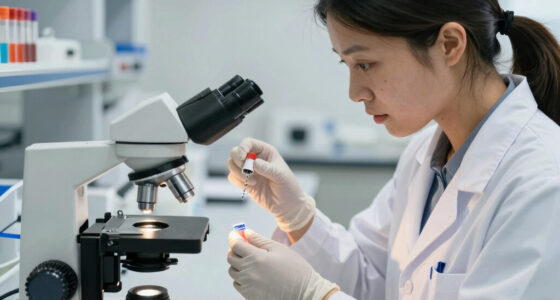
The research team, based at a prominent institution, has developed a method to cultivate spirulina using sustainable practices that reduce environmental impact. The process enhances the bioavailability of vitamin B12 in spirulina, making it a viable dietary source for populations at risk of deficiency. While the exact techniques remain under review, initial results indicate that the fortified spirulina can meet significant portions of daily B12 requirements.
It is confirmed that the new cultivation method emphasizes renewable resources and minimizes waste, aligning with global sustainability goals. The research has been published in a peer-reviewed journal, and early testing shows promising nutritional profiles. However, detailed data on efficacy in diverse populations and large-scale application are still pending publication and peer review.
Health experts note that if scalable, this approach could reduce reliance on animal products and synthetic supplements, offering a plant-based alternative that supports both individual health and environmental sustainability. No claims have yet been made about the definitive impact on deficiency rates, as further clinical trials are needed.
Potential Impact on Public Health and Sustainability
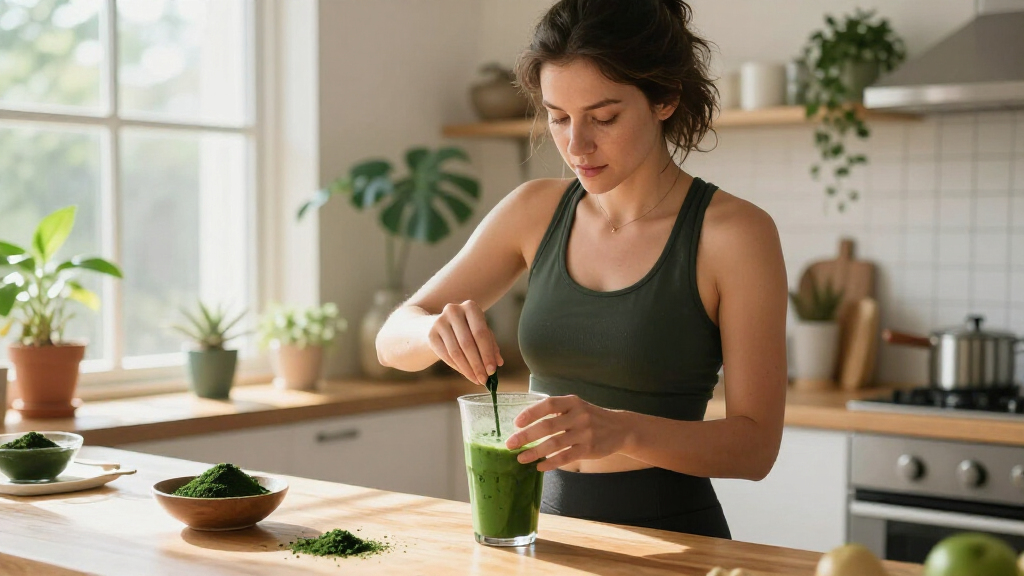
This development could significantly influence how vitamin B12 deficiency is addressed, especially among vegetarians, vegans, and populations with limited access to animal-based sources. As spirulina can be cultivated with lower environmental impact than traditional animal farming or synthetic production, this approach aligns with efforts to create more sustainable food systems. If proven effective at scale, it may reduce the global reliance on animal products and synthetic supplements, supporting both health and ecological goals.
Moreover, this innovation could open pathways for integrating B12-rich spirulina into various food products, potentially improving nutritional security worldwide. However, the long-term health benefits and bioavailability in diverse dietary contexts remain under investigation, making this an important area for further research.
As an affiliate, we earn on qualifying purchases.
Background on B12 Deficiency and Spirulina Cultivation
Vitamin B12 deficiency is a common nutritional issue, particularly among vegetarians, vegans, and populations with limited access to animal-derived foods. Deficiency can lead to anemia, neurological issues, and other health problems, making effective supplementation a public health priority.
Traditionally, B12 is obtained from animal products or synthetic supplements, which can be costly or environmentally taxing to produce. Spirulina, a blue-green algae, has long been recognized as a nutritious food source rich in proteins, vitamins, and minerals, including some forms of B12. However, questions about the bioavailability of B12 in spirulina have persisted, limiting its use as a reliable supplement.
The recent research aims to overcome these limitations by developing a sustainable cultivation method that enhances B12 content and bioavailability, potentially transforming spirulina into a primary plant-based source for this essential vitamin.
While interest in plant-based B12 sources has been rising, the scientific community remains cautious until more comprehensive data confirms efficacy and safety at scale.
As an affiliate, we earn on qualifying purchases.
Unconfirmed Efficacy and Large-Scale Application Challenges
While initial results are promising, it is not yet clear how effective the fortified spirulina will be across diverse populations or whether the cultivation method can be scaled sustainably without unforeseen issues. Further clinical trials and peer-reviewed studies are required to confirm bioavailability, safety, and long-term benefits. Additionally, regulatory approval processes and consumer acceptance are still pending, making the full impact of this development uncertain.
As an affiliate, we earn on qualifying purchases.
Next Steps for Validation and Commercialization
The research team plans to publish detailed findings in a peer-reviewed journal and initiate larger clinical trials to assess efficacy across different demographic groups. Simultaneously, efforts are underway to optimize large-scale cultivation techniques and explore integration into commercial food products. Regulatory approval pathways and partnerships with food producers will be critical milestones in the coming months.
As an affiliate, we earn on qualifying purchases.
Key Questions
How does spirulina compare to traditional B12 supplements?
While spirulina naturally contains B12, its bioavailability has been debated. The new cultivation method aims to enhance this, potentially making it a more reliable plant-based source, but further research is needed to confirm its effectiveness compared to synthetic supplements.
Is this spirulina solution safe for everyone?
Initial safety assessments are promising, but comprehensive safety profiles will depend on results from larger clinical trials. People with specific health conditions or allergies should consult healthcare providers before making dietary changes.
When might this solution be available for general use?
It is too early to predict exact timelines. After further validation, regulatory approval, and scaling, it could take several years before widespread commercial availability.
Could this development replace animal-based B12 sources entirely?
Potentially, if efficacy and safety are confirmed at scale, it could reduce reliance on animal products for B12. However, it will likely complement existing sources initially, until proven fully comparable.
What environmental benefits does this spirulina cultivation offer?
Compared to traditional animal farming or synthetic production, sustainable spirulina cultivation can lower water use, reduce greenhouse gas emissions, and minimize waste, supporting environmental sustainability goals.
Source: rss
Fall Picks
fall essentials
As an affiliate, we earn on qualifying purchases.