TL;DR

Get workout gear delivered free with Prime
- Fast, free delivery on millions of items
- Prime Video, Amazon Music and more included
- Member-only deals all year
Fit&Well published a yoga therapist’s seven-part seated movement sequence for older adults and people who find floor-based exercise difficult. The therapist says the gentle routine can feel energizing, but the report does not provide clinical evidence that it improves health outcomes.
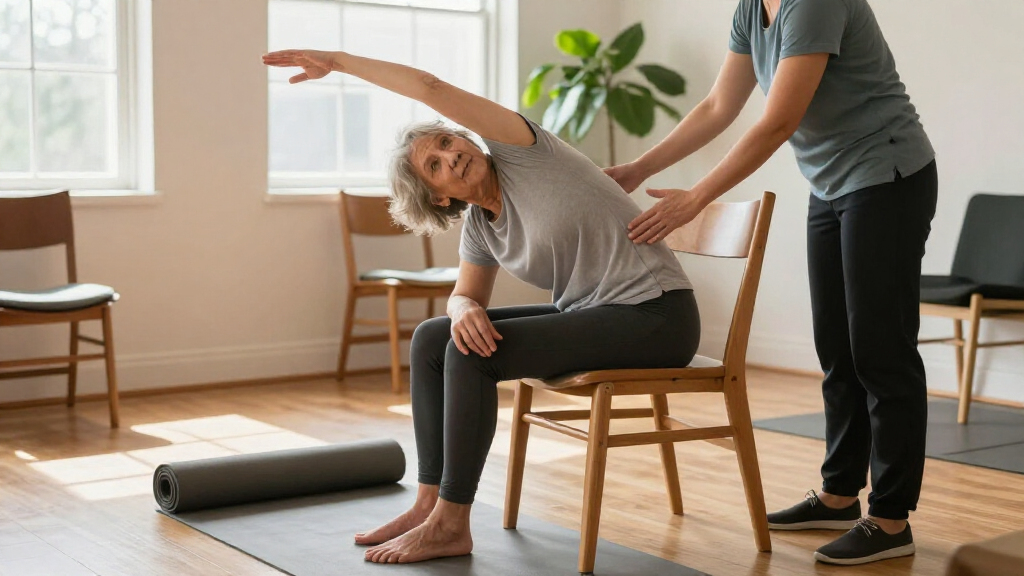
Fit&Well has published a seven-part chair exercise sequence recommended by a yoga therapist who works with older adults, including people with movement disorders and chronic health conditions. The routine uses seated arm movements, gentle twists and spinal mobility exercises, offering an alternative for people who are less comfortable or able to move on the floor.
The therapist describes using chair-based yoga with people who lack the mobility for floor exercises as well as those who simply prefer a chair. The movements are designed to be gentle, with participants encouraged to work within their own range rather than trying to achieve a prescribed pose. The therapist says their groups work on stretching muscles, moving joints and noticing their breathing while seated.
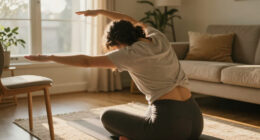
The sequence begins with a minute of sitting upright, feet flat and hands on the lap, while allowing the breath to settle. It continues with arm arcs into prayer, seated torso twists, alternating single-arm raises followed by double-arm raises, and side bends. The final movements are seated cat-cow and a forward fold. Most are suggested for three to five repetitions, while the twists and side bends are listed as three repetitions per side.
For the routine, the report calls for a sturdy chair and enough space to raise the arms. It includes ways to make two movements easier: holding the chair during a side bend for extra stability, or placing the hands on the knees during the forward fold. The therapist also advises looking up at raised hands only if comfortable.
A Seated Option for Gentle Movement
The routine offers readers a practical example of how movement can be adapted for people who find standing or floor-based exercise difficult. Its seated format and suggested adjustments may make the sequence easier to try at home or in a group, although the report does not establish that it is suitable for every person or condition.
The therapist characterizes the movements as both gentle and potentially energizing, saying participants can leave feeling rested and uplifted. That is the therapist’s experience with their classes, not a measured finding or a guarantee for others. The article provides exercise instructions, not research comparing this routine with other forms of activity.
Products Worth Considering

BowFlex Results Series SelectTech Dumbbells

Oral-B iO Series 3 Rechargeable Electric Toothbrush for Adults, Black

Blueair Blue Pure 511i Max Smart Air Purifier
As an affiliate, we earn on qualifying purchases.
How the Seven Moves Are Structured
The sequence combines posture, breathing and simple movements while the participant remains seated. It moves from settling into the chair to raising the arms, rotating the torso, bending sideways, rounding and extending the back, and folding forward. Breath cues accompany several movements, such as inhaling while raising the arms and exhaling while lowering them.
The therapist says they mainly work with older adults living with Parkinson’s, other movement disorders and chronic health conditions, which informs the gentle approach described. The supplied report does not name the therapist or provide details about their qualifications, the size of their classes, or how the routine was evaluated.
“I encourage everyone to move within the range and capacity of their body—there’s no particular shape or position to achieve.”
— The yoga therapist, writing in Fit&Well
Safety and Evidence Still Unspecified
The supplied report does not state whether the sequence has been tested in a study or provide evidence about its effects on strength, balance, mobility, mood or particular health conditions. It also does not specify how participants with different levels of ability should choose repetitions or modify each movement.
Readers’ comfort and ability can vary. The article advises staying within an accessible range and offers support options for two exercises, but it does not provide individualized medical guidance or discuss precautions for every movement. Anyone unsure whether the routine is appropriate for them, including people with existing health conditions or significant mobility concerns, can seek advice from a qualified health professional before trying it.
How Readers Can Approach the Routine
The published report presents the sequence as an exercise readers can try with a stable chair and room to move their arms. It does not announce a follow-up study, a new program or further reporting, so no additional milestone is specified in the supplied material.
Anyone choosing to try the movements can follow the therapist’s instruction to adapt them to personal capacity, use the chair for support where suggested and stop if a movement is uncomfortable. The available source does not say whether Fit&Well or the therapist plans to publish more guidance or assess the routine’s effects.
Key Questions
What exercises are included in the chair routine?
The seven parts are a settling exercise, arm arcs into prayer, seated twists, single- and double-arm raises, side bends, seated cat-cow and a forward fold.
What equipment does the sequence require?
The report specifies a sturdy chair and enough space to raise the arms comfortably. It does not list other equipment.
Who is the routine intended for?
The therapist describes chair-based yoga as an option for people who cannot comfortably do floor-based movement or who prefer exercising from a chair. The report does not say the sequence is appropriate for everyone.
Does the report show that the exercises improve health?
No. It shares the therapist’s experience and exercise instructions, but the supplied material does not provide study results or measured health outcomes.
How can a movement be made easier?
The report suggests holding the chair during a side bend for stability and keeping the hands on the knees during the forward fold. The therapist also advises moving within one’s own range and capacity.
Source: fitandwell.com