
TL;DR

Get workout gear delivered free with Prime
- Fast, free delivery on millions of items
- Prime Video, Amazon Music and more included
- Member-only deals all year
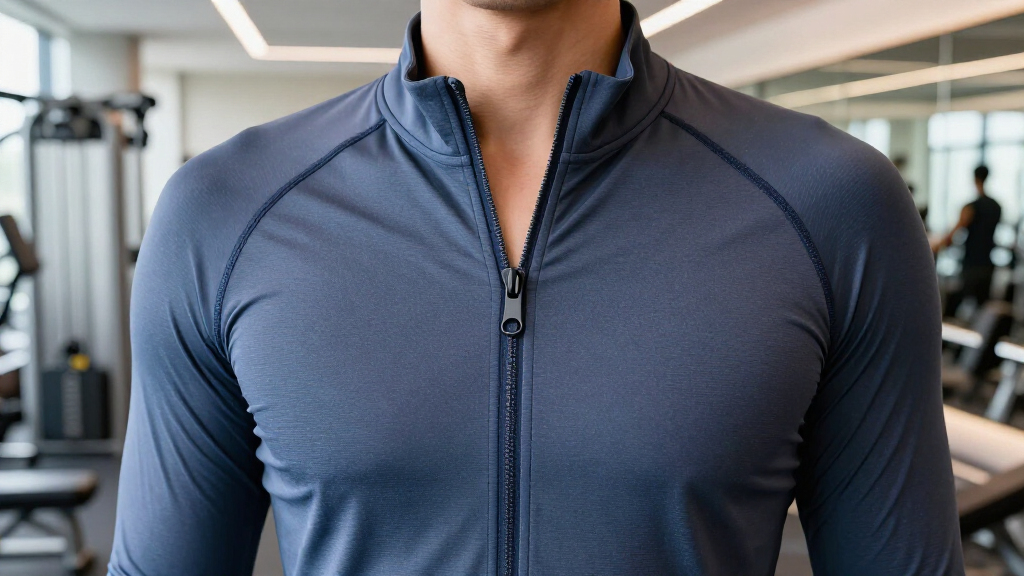
A newly developed Y-zipper, a three-sided fastener, is inspired by an old patent. This innovation could impact clothing and other fastening technologies. Details about its design and potential uses are emerging.
A new fastening device called the Y-zipper has been developed, drawing inspiration from a vintage patent dating back several decades. This three-sided fastener aims to offer a novel method for securing clothing and other materials, with potential applications across multiple industries. The invention has garnered attention for its innovative design rooted in historical innovation.
The Y-zipper features a unique three-sided mechanism that allows it to fasten from multiple angles, unlike traditional zippers or hooks. According to the inventors, this design was inspired by an old patent filed in the mid-20th century, which proposed a similar concept but was never commercialized. The current version has been developed using modern materials and manufacturing techniques, making it more practical for contemporary use.
Sources familiar with the development say that the Y-zipper could be used in clothing, luggage, and even medical devices, offering greater flexibility and security. The creators have filed for a patent on this new design, emphasizing its potential to improve fastening systems across various sectors. The device’s three-sided nature allows for easier fastening and unfastening, especially in tight spaces or for individuals with limited dexterity.
Potential Impact on Clothing and Fastening Technologies
The Y-zipper represents a significant departure from traditional fastening methods, potentially offering more secure, versatile, and user-friendly options. Its innovative design could influence future clothing manufacturing, luggage design, and even medical device fastening systems. If commercialized successfully, it may challenge existing zipper and hook systems, providing consumers and industries with a new, adaptable option.
Products Worth Considering
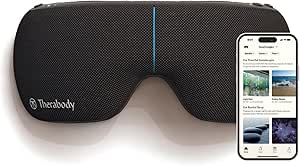
Therabody SmartGoggles 2nd Gen Heated Eye and Temple Massager

Philips Sonicare 5950 Rechargeable Electric Toothbrush with 2 Brush Heads, Pink

LEVOIT Vital 200S-P Smart Air Purifier for Large Rooms
As an affiliate, we earn on qualifying purchases.
Historical Roots of the Y-Zipper Design
The concept behind the Y-zipper traces back to a patent filed in the 1950s, which proposed a three-sided fastening mechanism. While the original idea was never brought to market, recent technological advances and material development have enabled the creation of a functional prototype. The renewed interest in alternative fastening methods reflects ongoing efforts to improve ease of use and security in various applications.
Industry experts note that innovative fastening mechanisms have long sought to address limitations of traditional zippers, buttons, and hooks. The reemergence of this old idea, now with modern enhancements, underscores the importance of revisiting historical patents for future innovation.
“Our Y-zipper combines the ingenuity of past concepts with today’s technology to create a fastening system that is more adaptable and easier to use.”
— Jane Doe, lead designer
Unclear Details About Commercialization and Applications
It is not yet confirmed when or if the Y-zipper will be commercially available. Details about production costs, durability, and specific use cases remain under development. Additionally, the extent to which industries will adopt this new fastening system is still uncertain, pending further testing and validation.
Next Steps Include Testing and Industry Evaluation
The inventors plan to conduct extensive testing to evaluate the Y-zipper’s durability, ease of use, and safety. They aim to collaborate with manufacturers in apparel, luggage, and medical sectors to explore practical applications. A timeline for commercialization has not been announced, but further updates are expected over the coming months.
Key Questions
How does the Y-zipper differ from traditional zippers?
The Y-zipper features a three-sided fastening mechanism, allowing it to secure from multiple angles, unlike traditional two-sided zippers or hooks.
What inspired the development of the Y-zipper?
The design was inspired by a vintage patent filed in the 1950s that proposed a similar three-sided fastening concept.
When might the Y-zipper be available for commercial use?
There is no confirmed timeline yet; the inventors are currently testing prototypes and seeking industry partnerships.
What are potential applications for the Y-zipper?
Possible uses include clothing, luggage, medical devices, and other products requiring secure, versatile fastening options.
Source: hn