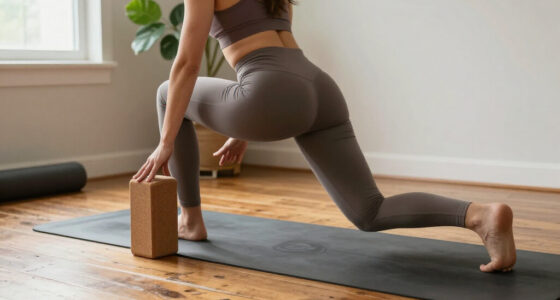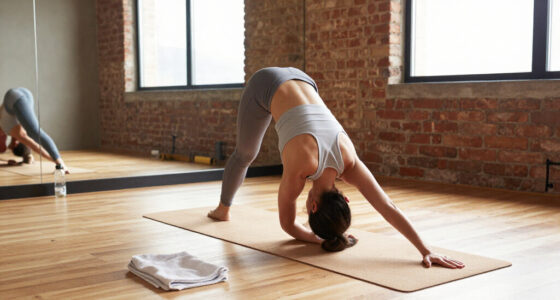
Heated practice is where ordinary yoga mats fail — sweat turns a grippy surface into a slip hazard, and thin foam bottoms out on hard studio floors. After comparing 11 options side by side, the Professional PU & Natural Rubber Yoga Mat stands out as my best overall pick: polyurethane leather over natural rubber is the surface chemistry that holds firm even when your palms are dripping, which is exactly the failure point for most PVC and TPE mats. Close behind, the Tatago Natural Rubber Mat offers similar sweaty-grip performance at a friendlier price, while the Heating Yoga Mat with Intelligent Temperature Control takes a totally different approach by warming the mat itself for home practice. The main tradeoff in this category is grip versus convenience: the grippiest mats need more care and break-in, while the easiest-to-maintain mats slip when wet. Read on for the full ranking, the tradeoffs for each pick, and which mat matches your practice style.

Get workout gear delivered free with Prime
- Fast, free delivery on millions of items
- Prime Video, Amazon Music and more included
- Member-only deals all year
Complete the kit


Key Takeaways
- Surface material was the single biggest differentiator: PU leather and natural rubber combinations kept their grip when wet, while standard PVC and TPE mats (like the Gaiam options) became slippery the moment sweat hit the surface.
- The lineup splits into two distinct product types — traditional non-slip mats for hot yoga studios and actual heated mats with built-in warming elements for home practice — and buyers should decide which problem they are solving before comparing prices.
- Thicker is not better for heated practice: the 1-inch Retrospec Solana offers plush comfort but its squishy foam undermines balance poses, whereas the 5mm rubber-based mats hit the sweet spot of cushioning and stability.
- The 5mm Gaiam and the budget Heathyoga TPE mat both work as entry points for beginners or mild-heat classes, but neither is built for heavy sweat — a towel layer becomes mandatory at serious temperatures.
- Width and length varied more than expected (24 to 27 inches wide, 72 inches standard), and the extra inch of width on the PU/rubber picks genuinely matters for sweeping arm poses in a crowded hot room.
| Heathyoga Eco-Friendly Non-Slip TPE Yoga Mat with Strap |  | Best Budget Starter for Hot Classes | Material: SGS-certified TPE | Size: 72 x 26 inches | Thickness: 6mm | VIEW LATEST PRICE | See Our Full Breakdown |
| Gaiam Premium 6mm Reversible Non-Slip Exercise & Fitness Mat |  | Best Lightweight All-Rounder | Dimensions: 68 x 24 inches | Material: Non-toxic PVC | Thickness: 6mm | VIEW LATEST PRICE | See Our Full Breakdown |
| Gaiam Cork and TPE Yoga Mat, 5mm Thick |  | Best Natural Surface for Sweat Management | Material: Cork top, TPE bottom | Thickness: 5mm | Dimensions: 68 x 24 inches | VIEW LATEST PRICE | See Our Full Breakdown |
| Professional PU & Natural Rubber Yoga Mat |  | Best Overall for Hot Yoga | Material: PU top, natural rubber base | Dimensions: 72 x 27 inches | Thickness: 5mm | VIEW LATEST PRICE | See Our Full Breakdown |
| Heating Yoga Mat with Intelligent Temperature Control |  | Best for Cold-Weather Home Practice | Material: High-end PU | Temperature control: Intelligent, multiple settings | Heat modes: Low, Medium, High, Off | VIEW LATEST PRICE | See Our Full Breakdown |
| Retrospec Solana Yoga Mat 1″ Thick with Nylon Strap |  | Best Maximum Cushioning | Thickness: 1 inch | Dimensions: 72″ x 24″ | Material: Non-slip, durable foam | VIEW LATEST PRICE | See Our Full Breakdown |
| Heating Yoga Mat, 72 x 27 inches |  | Best Active-Heating Pick | Size: 72 x 27 inches | Thickness: 6.5mm | Material: TPE + PU | VIEW LATEST PRICE | See Our Full Breakdown |
| Retrospec Solana Yoga Mat Thick 1/2in Non-Slip Workout Mat with Nylon Strap |  | Best Budget Cushioned Mat | Thickness: 1/2 inch | Size: 72 x 24 inches | Material: BPA-free durable foam | VIEW LATEST PRICE | See Our Full Breakdown |
| Tatago Non-Slip Professional Grade Natural Rubber Yoga Mat with Carrying Strap |  | Best Grip for Hot Classes | Material: Natural rubber | Thickness: 5mm | Grip: Non-slip, sweat-friendly | VIEW LATEST PRICE | See Our Full Breakdown |
| Heating Yoga Mat, Warm Yoga Pad for Winter Fitness and Meditation |  | Best for Heated Meditation | Temperature Control: Multiple intelligent settings | Auto Shutdown: 90 minutes | Material: High-end PU | VIEW LATEST PRICE | See Our Full Breakdown |
| Pro Non Slip Yoga Mat Thick for Hot Yoga, Pilates, Workout & Home Gym |  | Best Eco-Friendly Rubber Pick | Material: Sustainably harvested tree rubber | Dimensions: 72″L × 26″W | Thickness: 5mm | VIEW LATEST PRICE | See Our Full Breakdown |
| yoga mats for heated practice | Material | Thickness |
|---|---|---|
| Heathyoga Eco-Friendly Non-Sli | SGS-certified TPE | 6mm |
| Gaiam Premium 6mm Reversible N | Non-toxic PVC | 6mm |
| Gaiam Cork and TPE Yoga Mat | Cork top, TPE bottom | 5mm |
| Professional PU & Natural Rubb | PU top, natural rubber base | 5mm |
| Heating Yoga Mat with Intellig | High-end PU | — |
| Retrospec Solana Yoga Mat 1" T | Non-slip, durable foam | 1 inch |
| Heating Yoga Mat | TPE + PU | 6.5mm |
| Retrospec Solana Yoga Mat Thic | BPA-free durable foam | 1/2 inch |
| Tatago Non-Slip Professional G | Natural rubber | 5mm |
| Heating Yoga Mat | High-end PU | — |
| Pro Non Slip Yoga Mat Thick fo | Sustainably harvested tree rubber | 5mm |
More Details on Our Top Picks
Heathyoga Eco-Friendly Non-Slip TPE Yoga Mat with Strap
Heathyoga’s TPE mat is the sensible entry point if you’re new to heated practice and don’t want to overspend before knowing your preferences. The 6mm cushioning is forgiving on knees during floor sequences, and the double-sided non-slip texture holds up reasonably well in a warm room, though it lacks the sweat-activated grip of the PU and Natural Rubber mat later in this lineup. Body alignment lines help beginners check their stance in poses like Warrior II — a feature the Gaiam 6mm reversible mat doesn’t offer. The tradeoff is that TPE grip can slicken during a dripping-hot session, so serious hot yogis will outgrow it. Compared with the Gaiam 5mm cork model, it’s lighter and cheaper but less hygienic over time.
Pros:- Eco-friendly TPE free from latex, PVC, and heavy metals
- Body alignment lines help beginners hold correct poses
- 6mm cushioning protects joints during floor work
- Includes both velcro and carrying straps for transport
Cons:- Grip weakens noticeably in very sweaty conditions
- One size only, so taller or broader practitioners may feel cramped
Best for: Beginners trying heated yoga for the first time who want cushioning and alignment guidance without a big spend
Not ideal for: Heavy sweaters in hot yoga — TPE grip degrades when the mat gets soaked
- Material:SGS-certified TPE
- Size:72 x 26 inches
- Thickness:6mm
- Weight:2.8 lbs
- Alignment lines:Yes
- Includes:Velcro strap and carrying strap
Our verdict“A smart first heated-yoga mat that trades elite sweat grip for comfort, guidance, and value.”
Gaiam Premium 6mm Reversible Non-Slip Exercise & Fitness Mat
This Gaiam reversible mat earns its place through versatility rather than hot-yoga specialization. The textured dual surfaces let you flip to whichever side grips better as your class heats up, and at 6mm it matches the Heathyoga’s joint-friendly cushioning while weighing less to carry. That said, PVC simply doesn’t match the sweat performance of the PU and natural rubber construction in this roundup — in a truly drenched class, you’ll want a towel on top. Where this model shines is the buyer who splits time between heated and unheated classes, Pilates, and home floor work, where a single-purpose hot mat would be overkill. The initial odor is real but fades with airing out.
Pros:- Reversible textured surfaces extend usable life and grip options
- 6mm thickness supports sensitive knees and wrists
- Light and easy to roll for gym or studio commuting
- Includes a free downloadable yoga workout
Cons:- Noticeable initial odor requiring airing out
- PVC construction is less eco-friendly and slicks when wet
Best for: Multi-discipline yogis who mix heated classes with regular yoga, Pilates, and home workouts
Not ideal for: Eco-conscious buyers or dedicated hot yoga practitioners — PVC grips poorly when soaked
- Dimensions:68 x 24 inches
- Material:Non-toxic PVC
- Thickness:6mm
- Reversible:Yes
- Non-slip surface:Yes, textured
- Bonus:Downloadable yoga workout
Our verdict“Pick this if you want one affordable mat for everything, not just heated sessions.”
Gaiam Cork and TPE Yoga Mat, 5mm Thick
The cork-over-TPE construction is the distinguishing play here: cork actually grips better as it absorbs moisture, which is the opposite behavior of the PVC Gaiam reversible mat above. That makes this a genuinely heated-practice-friendly option at a mid-range price — you get natural sweat and odor resistance without stepping up to the heavier PU-and-rubber mat’s weight class. The tradeoff is nuanced: in extremely damp conditions cork can soften and lose some of its tactile bite, and it’s heavier than a standard foam mat to lug between studio and home. At 68 inches it’s also shorter than the Heathyoga’s 72 inches, which taller practitioners will notice in savasana.
Pros:- Cork surface grips better as you sweat
- Naturally odor- and bacteria-resistant for hygienic repeated use
- Sustainable cork and TPE materials
- Plush 5mm cushioning protects joints through long flows
Cons:- Cork can soften and lose grip in extremely damp conditions
- Heavier and shorter than comparable mats in this lineup
Best for: Eco-minded hot yoga students who want a naturally hygienic, sweat-friendly surface at a moderate price
Not ideal for: Taller yogis or anyone prioritizing minimum weight — it’s shorter and heavier than rivals
- Material:Cork top, TPE bottom
- Thickness:5mm
- Dimensions:68 x 24 inches
- Surface:Natural cork
- Sweat resistance:Yes
- Hot yoga suitability:Yes
Our verdict“The natural-material sweet spot for heated practice if you don’t need the pro-level grip of rubber.”
Professional PU & Natural Rubber Yoga Mat
This is the mat this roundup is really about. PU leather over natural rubber is the combination hot-yoga studios favor, because the porous PU layer grips harder the more you sweat — the inverse of the Heathyoga TPE mat, which gets slicker in the same conditions. The 72 x 27 inch footprint gives wider stances room the 68-inch Gaiam mats can’t, and the dense rubber base stays planted even during aggressive HIIT drills or jump-backs. The honest cost is portability: at 6.8 lbs it’s more than double the Heathyoga’s weight, and the porous surface shows temporary sweat marks, so lighter colors aren’t doing you any favors. This is a destination mat, not a carry-everywhere mat.
Pros:- Grip actually improves with sweat, ideal for hot rooms
- Extra-wide 27-inch surface suits broad stances and mobility work
- Dense rubber base prevents bunching and sliding
- 5mm cushioning balances joint protection with balance poses
Cons:- At 6.8 lbs it’s the heaviest mat here
- Porous PU surface shows sweat marks between cleanings
Best for: Committed hot yoga and HIIT practitioners who need pro-grade wet grip and a wide, stable platform
Not ideal for: Anyone carrying a mat on foot or by transit daily — 6.8 lbs gets old fast
- Material:PU top, natural rubber base
- Dimensions:72 x 27 inches
- Thickness:5mm
- Weight:6.8 lbs
- Carrying strap:Included
- Wet grip:Grip improves with sweat
- Recommended colors:Darker shades hide sweat marks
Our verdict“If heated practice is your primary discipline, this is the mat to buy — just don’t plan on backpacking with it.”
Heating Yoga Mat with Intelligent Temperature Control
This pick takes a different angle on ‘heated practice’: instead of surviving your sweat, it warms the mat itself. With Low, Medium, and High heat settings and a 90-minute auto shutoff, it’s designed for winter meditation and gentle home flows rather than the drenched studio sessions the PU and rubber mat is built for. The non-slip PU surface is comfortable, but the hard requirement of a nearby power outlet makes it a living-room-only tool — you can’t take this to class. It also can’t match the detailed spec transparency of the other mats here, which makes sizing and material specifics harder to verify. As a niche comfort product it works; as a do-everything yoga mat it doesn’t.
Pros:- Adjustable heat settings for personalized warmth
- 90-minute automatic shutdown for safety
- Non-slip, comfortable high-end PU surface
- Nice complement to meditation and gentle winter stretching
Cons:- Requires constant power, making it strictly an at-home mat
- Sparse published specifications make comparison difficult
Best for: Home practitioners in cold climates who want a warm surface for meditation and gentle winter yoga
Not ideal for: Studio-goers or anyone without outlet access during practice — the cord anchors you in place
- Material:High-end PU
- Temperature control:Intelligent, multiple settings
- Heat modes:Low, Medium, High, Off
- Auto shutdown:90 minutes
- Surface:Non-slip
- Power requirement:Requires outlet
Our verdict“A cozy cold-season specialty mat — buy it alongside a portable mat, not instead of one.”
Retrospec Solana Yoga Mat 1″ Thick with Nylon Strap
For practitioners whose knees, wrists, and hips complain after long sessions, the Solana’s full inch of foam is the softest ride in this lineup by a wide margin. Compared with the Tatago natural rubber mat, which trades cushioning for grip, the Solana flips that priority: comfort first, traction second. That thickness is a double-edged sword, though — in a heated room, sinking poses like Warrior III or Tree into an inch of foam makes balance work harder, and sweaty palms will notice the foam surface slipping where rubber stays planted. The included nylon strap makes it easy to tote to a heated studio despite the bulk. This pick makes the most sense for restorative, yin, or slower heated flows where joints need padding more than balance demands a firm base.
Pros:- An inch of cushioning is the most joint-friendly thickness here
- Non-slip texture adequate for slower, floor-based flows
- Nylon strap included for easy transport
- BPA-free material suitable for daily use
Cons:- Excess thickness destabilizes standing and balancing poses
- Foam surface gets slick with sweat in heated rooms
Best for: Yin and restorative practitioners, plus anyone with sensitive knees or joints who prioritizes cushioning over balance precision
Not ideal for: Hot vinyasa or power yoga students — the thick foam undermines balance poses and the surface loses grip when sweaty
- Thickness:1 inch
- Dimensions:72″ x 24″
- Material:Non-slip, durable foam
- BPA Free:Yes
- Includes:Nylon carrying strap
- Best Use:Restorative and yin practice
Our verdict“Buy this only if joint comfort during slow, heated floor work matters more to you than grip and balance.”
Heating Yoga Mat, 72 x 27 inches
Rather than relying on a studio’s thermostat, this mat generates its own heat — the only product in this batch besides the winter meditation heating pad that actively warms your practice. Unlike that smaller counterpart, this one spells out its credentials: FCC and CE certifications, overheat protection, auto shut-off, and a waterproof dual-layer TPE and PU surface, which matters when sweat is the whole point of a heated session. The 72 x 27 inch footprint is also wider than standard mats, giving broader shoulders room to move. The tradeoffs are real: it demands a flat, unobstructed floor, can’t be layered under blankets, and at 6.5mm of cushioning it’s firmer than the Retrospec Solana mats. This model is better suited to dedicated home practitioners who want studio-style heat on demand without the studio.
Pros:- Fast, even heating with multiple temperature settings
- Waterproof, non-slip surface stands up to heavy sweat
- Auto shut-off and overheat protection add safety
- Extra-wide 27-inch surface suits larger frames
Cons:- Requires a flat surface and can’t be used under blankets
- Corded design limits portability compared with standard mats
Best for: Home practitioners who want the hot-yoga experience — muscle warmth and sweat — without paying for a heated studio
Not ideal for: Traveling yogis or anyone with uneven floors; it also can’t be covered or folded mid-session
- Size:72 x 27 inches
- Thickness:6.5mm
- Material:TPE + PU
- Construction:Dual-layer
- Safety:FCC & CE certified, auto-off, overheat protection
- Surface:Waterproof, non-slip
- Best Use:Hot yoga, Pilates, floor exercise
Our verdict“The strongest choice if your goal is genuine heat at home, provided you have the floor space and a nearby outlet.”
Retrospec Solana Yoga Mat Thick 1/2in Non-Slip Workout Mat with Nylon Strap
The half-inch Solana lands in a sweet spot its one-inch sibling overshoots: enough padding to protect knees and spine, but not so much that your feet sink during standing poses. It’s also the most affordable-feeling proposition in this batch, undercutting the Tatago rubber mat while offering comparable joint relief — just without the sweat-proof grip. For heated practice, that’s the honest limitation: like its thicker sibling, the foam surface handles dry sessions fine but gets treacherous when palms and feet get wet. Where this option stands out is convenience — easy wipe-down cleaning, a nylon strap for carrying, and durable BPA-free foam that tolerates daily use. It suits beginners building a home practice or pairing with a grippy yoga towel on top for hot classes.
Pros:- Half-inch thickness balances cushioning with stability
- More affordable than natural rubber alternatives
- Easy to clean with a quick wipe-down
- Nylon strap included for carrying
Cons:- Foam surface becomes slick when wet with sweat
- Initial harmless odor out of the box needs airing out
Best for: Beginners and budget-conscious buyers who want thick cushioning for home practice, ideally paired with a towel for hot sessions
Not ideal for: Serious hot yoga students — the foam loses traction fast once you sweat, even with a towel
- Thickness:1/2 inch
- Size:72 x 24 inches
- Material:BPA-free durable foam
- Includes:Nylon strap
- Maintenance:Wipe clean; do not submerge
- Best Use:Home yoga, stretching, general fitness
Our verdict“A sensible starter mat that cushions well, provided hot-yoga grip isn’t your top priority.”
Tatago Non-Slip Professional Grade Natural Rubber Yoga Mat with Carrying Strap
When sweat is the enemy of traction, natural rubber is the material that fights back — and the Tatago delivers the stickiest surface in this batch. Compared with either Retrospec Solana mat, which slides once palms get damp, this one grips harder as you perspire, which is exactly the behavior you want in a 95-degree room. The 5mm cushioning sits near the professional-grade PU and natural rubber mat elsewhere in this roundup, offering enough padding for kneeling poses without the balance-wobbling sink of thick foam. The tradeoff is classic rubber: expect a noticeable odor for the first few weeks, and a weight that makes it feel like gear rather than an accessory. The bonus yoga strap doubles as a stretching tool, adding value beyond transport.
Pros:- Grip that improves rather than degrades with sweat
- 5mm cushioning supports joints without destabilizing balance
- Built for daily, long-term use
- Included strap doubles as a stretching aid
Cons:- Strong natural rubber smell when new
- Heavier than foam or TPE mats, less fun to carry
- Few or unspecified color choices
Best for: Regular hot yoga, Pilates, and HIIT practitioners who need reliable traction on sweaty hands and feet
Not ideal for: Anyone sensitive to rubber odors or who commutes by bike — the smell and weight get old quickly
- Material:Natural rubber
- Thickness:5mm
- Grip:Non-slip, sweat-friendly
- Includes:Yoga carrying strap
- Durability:Professional grade, daily use
- Best Use:Hot yoga, Pilates, intense workouts
Our verdict“The pick for practitioners whose heated sessions live or die on grip, as long as you can tolerate the weight and break-in smell.”
Heating Yoga Mat, Warm Yoga Pad for Winter Fitness and Meditation
Not every heated practice is about sweat — sometimes it’s about staying warm enough to sit still. This mat’s identity is meditation and gentle winter practice: the 90-minute auto shutdown conveniently matches a long sitting session, and multiple temperature settings let you dial in gentle warmth rather than studio-level heat. Compared with the 72 x 27 inch heating mat above, this one trades raw capability for a calmer, simpler design, but that comparison exposes its weakness — the listing is vague on size, weight, and power specifics, so buyers are gambling on fit before it arrives. The non-slip PU surface handles light movement fine, though it isn’t positioned for the sweat-drenched flows that the Tatago or the larger heating mat target. This pick makes the most sense as a warmth-first tool for seated practice on cold mornings.
Pros:- Multiple temperature settings for personalized warmth
- 90-minute auto shutdown matches typical meditation lengths
- Non-slip PU surface suits seated and gentle practice
Cons:- Size, weight, and power source details not clearly specified
- Not designed for high-sweat, high-intensity heated flows
Best for: Meditators and gentle-flow practitioners who want a warm surface for cold-morning sessions at home
Not ideal for: Buyers who need certainty — sparse size and power details make this a risk for full hot-yoga flows
- Temperature Control:Multiple intelligent settings
- Auto Shutdown:90 minutes
- Material:High-end PU
- Surface:Non-slip
- Best Use:Meditation, winter yoga, gentle stretching
Our verdict“A cozy niche pick for warm meditation sessions, but verify dimensions against your space before committing.”
Pro Non Slip Yoga Mat Thick for Hot Yoga, Pilates, Workout & Home Gym
Among the rubber options in this roundup, this mat carves out a distinct niche: it pairs a sustainably harvested tree rubber base with an anti-tear mesh core, which means it holds up to repeated sweat sessions without the peeling that cheaper foam mats develop. Compared with the Tatago Natural Rubber Mat, this one is lighter at 2.5 pounds, making it a smarter choice for anyone commuting to a heated studio. The 5mm thickness lands between the Gaiam 5mm and the bulkier 6mm options — enough cushion for kneeling poses without feeling spongy under balancing postures.
The tradeoff is maintenance. Rubber grip degrades quickly if sweat sits on the surface, so this mat needs a wipe-down after every hot class. It also skips the polyurethane top layer that makes the Professional PU & Natural Rubber Mat grippier when soaked, so supremely sweaty palms may still want a towel.
Pros:- Sustainably harvested tree rubber free of PVC, latex, and harsh chemicals
- Anti-tear mesh core resists the shredding common in foam mats
- At 2.5 lbs it’s far more portable than comparable rubber mats
- 5mm thickness balances joint cushioning with balance-pose stability
Cons:- Requires wiping clean after every sweaty session to maintain grip
- Too thick for practitioners who prefer ground feel in standing and balance poses
- Limited or unspecified color options compared with Gaiam’s reversible designs
Best for: Eco-conscious hot yoga and Pilates practitioners who want durable rubber grip in a mat light enough to carry to class
Not ideal for: Dripping-sweat hot yoga sessions where a PU surface or yoga towel is needed, since bare rubber loses grip when fully saturated
- Material:Sustainably harvested tree rubber
- Dimensions:72″L × 26″W
- Thickness:5mm
- Weight:2.5 lbs
- Grip:Non-slip surface
- Durability:Anti-tear reinforced mesh layer
- Eco Credentials:PVC-free, latex-free, odorless
- Use Cases:Hot yoga, Pilates, HIIT, home gym
Our verdict“This mat makes the most sense for hot yoga and Pilates students who want an eco-friendly rubber surface they can carry anywhere, as long as they’re willing to wipe it down after class.”

How We Picked
I evaluated every mat against the specific demands of heated practice rather than general yoga use. The weighted criteria were wet-grip performance (how the surface behaves with real sweat, since this is the number-one failure mode in hot classes), cushioning versus stability balance (hot rooms demand more joint padding, but overly soft foam wrecks balance poses), material durability under heat and humidity, cleanability, and overall value. For the heated-mat entries, temperature control range, evenness of heat distribution, and safety features carried the most weight.
The ranking reflects this logic: PU-over-rubber and natural rubber builds dominate the top spots because they are the only traditional constructions that reliably grip when soaked. Closed-cell mats that repel sweat and clean easily rank next, best suited to beginners or moderate heat. Extra-thick foam mats rank lower despite their comfort, because instability is a bigger liability in heated flows than hard floors. The self-heating mats are ranked as a distinct niche — strong picks for warm home practice, but not substitutes for a grippy studio mat in a 95-degree class.
Factors to Consider When Choosing Yoga Mats For Heated Practice
Choosing a mat for heated practice is different from choosing a general-purpose yoga mat, and most buyers get tripped up by treating the two decisions the same. Below are the factors that actually predict whether a mat will survive a hot room.Grip When Wet, Not Grip When Dry
Almost every mat on the market advertises itself as non-slip, and almost every one of those claims is measured on dry skin. In a heated room, the question changes entirely: what happens when your palms and feet are slick with sweat? PVC and TPE surfaces, which feel tacky in a store, film over with moisture and lose most of their traction — this is why so many studio regulars replace a perfectly good six-month-old mat. Polyurethane leather and natural rubber behave the opposite way: moisture actually improves their grip, which is why they dominate hot yoga studios. If a mat’s marketing never mentions sweat, wet hands, or hot yoga specifically, assume it was not engineered for it. Buyers who already own a dry-grip mat can bridge the gap with a yoga towel, but that is a recurring hassle and an added cost, not a fix.
Thickness: Where Comfort and Stability Pull Against Each Other
Heat makes joints more sensitive and floors feel harder, which tempts buyers toward very thick mats — but thickness past a point actively hurts practice. At one inch, foam mats like the Retrospec Solana are wonderful for restorative poses and meditation, yet they wobble under single-leg balances and slow down transitions because your feet sink and shift. Most experienced heated-practice students settle between 4mm and 6mm, where bones stay padded but the floor still feels connected. Material density matters as much as millimeters: 5mm of dense natural rubber feels more supportive and far more stable than 5mm of airy foam. If you know your practice is mostly floor work and stretching, go thicker; if standing balances and arm balances are part of your flow, stay at or under 6mm in a dense material.
Open-Cell Versus Closed-Cell Construction
This spec is rarely on the box but shapes your daily experience more than almost anything else. Open-cell mats (natural rubber is typical) absorb sweat, which is why they grip so well — but they also absorb bacteria, odors, and anything on the studio floor, so they need regular cleaning and will degrade faster in humid environments. Closed-cell mats (TPE, PVC, PU-coated surfaces) repel moisture, wipe clean in seconds, and last longer hygienically, at the cost of the wet-grip performance discussed above. PU-coated mats are a hybrid: the coating gives near-rubber wet grip with closed-cell cleanability, which explains their premium pricing. Match the construction to your habits — if you will not clean a mat weekly, an open-cell rubber mat will develop an odor within a season of hot classes.
Traditional Non-Slip Mats Versus Actual Heated Mats
A common mistake in this category is confusing mats designed to perform in heat with mats that generate heat. The self-heating options in this roundup — like the Intelligent Temperature Control mat — are electric warmers aimed at home practice, cold basements, winter meditation, and gentle stretching; they are not competition for a grip-focused studio mat, and most are not designed to be soaked in sweat. Conversely, a grippy rubber mat will not make your home practice warmer. Some buyers genuinely benefit from both: a heated mat for morning mobility in a cold house and a sweat-proof mat for studio classes. Deciding which problem you actually have before shopping will save you from buying an impressive product that solves the wrong one.
Size, Weight, and Portability Tradeoffs
Heated-practice mats trend wider than standard mats, and that extra width is not a gimmick — in hot flows with sweeping arms and wide stances, a 24-inch mat forces constant micro-adjustments, while 26 or 27 inches lets you stay in the moment. The cost is portability: dense rubber mats at 72×27 inches are heavy, often two to three times the weight of a TPE mat, which matters if you walk or bike to class. Strap systems and carry handles partially offset this, but no strap makes a five-pound rubber mat light. If you drive to a studio with storage, go big and heavy without hesitation. If you commute on foot, a lighter mat plus a yoga towel may be the smarter combined system.
Break-In Periods and New-Mat Care
Buyers frequently return perfectly good mats in the first week because nobody warned them about break-in. New natural rubber mats often arrive with a faint sulfur smell and a factory film that takes one to two weeks of use plus air circulation to fully dissipate — this is normal, not a defect. TPE and PVC mats may need a gentle wash to remove the slippery release agents from manufacturing. PU-coated surfaces should never be cleaned with essential-oil sprays or harsh detergents, which break down the coating and void the wet grip you paid for. Plan to unroll and air out any new mat for several days before its first hot class, and check the manufacturer’s cleaning guidance before using studio mat spray on it — some sprays degrade rubber faster than sweat does.
Frequently Asked Questions
Can I just use a regular yoga mat with a towel for hot yoga?
Yes, and it is a legitimate budget strategy — a moisture-wicking yoga towel over a standard mat restores most of the grip you lose to sweat, which is why studios rent them. The tradeoffs are recurring cost, one more thing to wash, and the towel bunching during fast transitions, especially on narrower mats. If you attend heated classes more than once a week, the economics flip: a PU-coated or natural rubber mat pays for itself within months and eliminates the hassle. Casual hot-yoga attendees a few times per month can absolutely make the towel system work over a basic mat like the 5mm Gaiam.
Are heated mats with built-in warming safe to sweat on?
Heated mats are generally engineered for dry use — gentle warmth for stretching, meditation, and cold-room home practice — and most manufacturers explicitly position them away from heavy-sweat scenarios. Soaking an electric warming mat introduces moisture near wiring and heating elements it was never designed to handle, and sweat also interferes with the fabric surface these mats use. If your goal is a hot-yoga workout with dripping sweat, a traditional high-grip mat is the right tool. The heated mat makes sense when the problem is a cold floor in January, not a slippery pose in a 95-degree studio. Read the specific model’s care instructions, but treat sweat and heating elements as things to keep apart.
How thick should a mat be for hot yoga specifically?
For most practitioners, 4mm to 6mm in a dense material is the target zone for heated classes. Heat loosens muscles and makes knees, hips, and spine more sensitive to hard floors, so the ultra-thin travel mats that work in unheated vinyasa become uncomfortable fast. But going beyond 6mm — especially into the half-inch and one-inch foam range — introduces wobble in balancing poses like Tree or Warrior III, where a sinking foot undermines the ankle stabilizers you are trying to train. Density resolves this tension: 5mm of natural rubber cushions like a much thicker foam mat while staying rigid under a planted foot. Choose based on your practice mix, favoring the thicker end only for floor-heavy and restorative styles.
Why do rubber and PU mats cost more, and are they worth it?
The premium comes from materials and construction: natural rubber is harvested and processed rather than extruded from plastic pellets, and PU coatings require precise lamination to stay bonded through months of sweat and rolling. What you get for the money is grip that improves with moisture, better tear resistance at the edges, and surfaces that do not film over the way TPE and PVC do after a few months of hot classes. Whether it is worth it depends almost entirely on attendance frequency — a weekly hot-yoga student will feel the difference every single class, while a monthly attendee may never stress a cheaper mat enough to notice. There is also a durability argument: rubber mats routinely outlast two or three budget mats, closing much of the price gap over time.
How do I stop a new mat from being slippery or smelling like rubber?
Slipperiness on a new mat usually comes from factory release agents, and a wipe-down with mild soap and water followed by full air drying removes most of it — never use alcohol or solvent cleaners, which damage the surface permanently. The rubber smell on natural mats is off-gassing that fades with air exposure, so unroll the mat in a ventilated room for several days rather than leaving it coiled in its strap. For rubber mats, a few weeks of regular use also wears away the smooth surface film and improves grip. If a mat is still slippery after a month of real use and proper cleaning, that points to a material limitation rather than break-in, and it is time to consider a mat designed for wet grip.
Conclusion
The right pick depends on what heated practice means to you. For best overall, the Professional PU & Natural Rubber Mat is the strongest all-around answer: it grips when soaked, cushions at a stable 5mm, and gives you an extra inch of width for sweeping poses. For best value, the Tatago Natural Rubber Mat delivers the same wet-grip material family at a lower cost, accepting a simpler feature set in exchange. Beginners and anyone unsure whether hot yoga will stick should start with the Heathyoga TPE Mat or the 5mm Gaiam — affordable, easy to clean, and perfectly fine for moderate heat with a towel once classes intensify. For a premium comfort niche, the Retrospec Solana 1-inch is unbeatable for restorative, yin, and meditation-style heated floor work, though I would not recommend it for balancing flows. And for a specific need — a warm surface for home practice in a cold space — the Heating Yoga Mat with Intelligent Temperature Control solves a problem no grip mat can. Sweat-heavy studio practice points to the top of this list; comfort and warmth at home point further down. Either way, match the mat to your actual practice and the choice becomes straightforward.
Halloween Picks
halloween
As an affiliate, we earn on qualifying purchases.