
TL;DR

Get workout gear delivered free with Prime
- Fast, free delivery on millions of items
- Prime Video, Amazon Music and more included
- Member-only deals all year
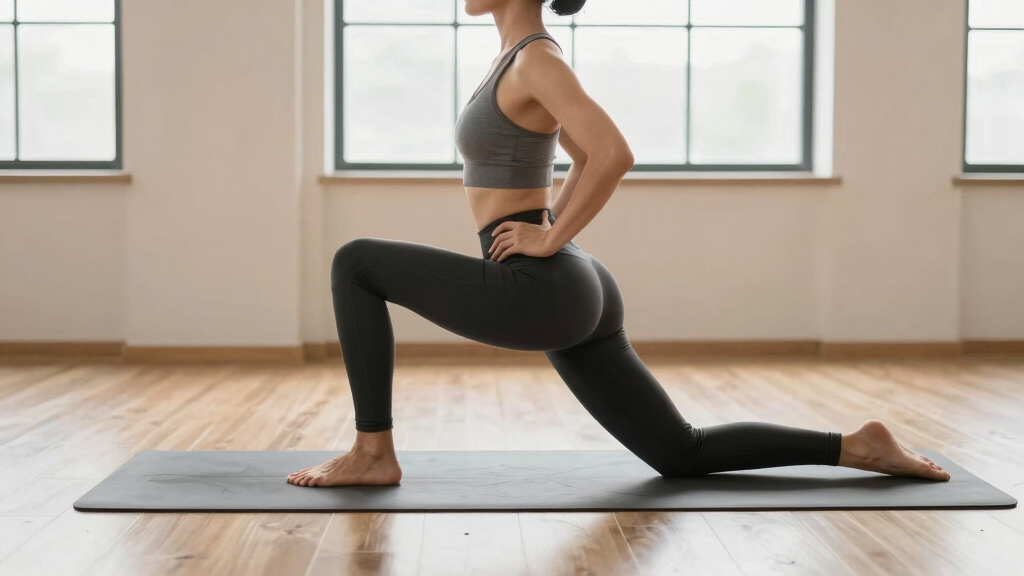
Practicing Low Lunge safely involves engaging the quads and lengthening the tailbone to prevent low back strain. Experts recommend specific alignment cues to maintain pelvic neutrality. This guidance helps prevent common mistakes during the pose.
Yoga practitioners can now learn how to perform Low Lunge safely without risking low back strain, following new expert advice published by Yoga Journal. The guidance emphasizes engaging the quads and maintaining pelvic neutrality to prevent common mistakes that lead to low back discomfort. This development aims to improve safety and effectiveness for yoga students at all levels.
Low Lunge (Anjaneyasana) is a widely practiced yoga pose but often involves errors that can cause low back strain. According to Yoga Journal, a common mistake is collapsing in the lower back when trying to sink deeper into the pose or when initiating a backbend from the lumbar region. To counteract this, practitioners are advised to start the pose higher by actively engaging the front and back leg muscles, particularly the quadriceps, to lift and lengthen the spine. This engagement creates space for the pelvis and prevents compression of the lower back. Additionally, maintaining a neutral pelvis by lengthening the tailbone downward helps keep the lumbar spine safe during deeper variations. Experts recommend keeping the back toes tucked and using the hands for support, with optional arm variations to enhance the stretch while maintaining alignment. These cues are intended to help practitioners deepen the pose without compromising spinal health.
Benefits of Proper Alignment in Low Lunge
Correct alignment in Low Lunge reduces the risk of low back injury and enhances the stretch in the hips and legs. By engaging the appropriate muscles and maintaining pelvic neutrality, practitioners can deepen the pose safely, improving flexibility and strength. This guidance is especially important for individuals with pre-existing back issues or those with hyperflexibility, who are more prone to strain. Ultimately, adopting these techniques supports long-term yoga practice and injury prevention, making the pose accessible to a broader range of practitioners.
As an affiliate, we earn on qualifying purchases.
Common Mistakes and Expert Recommendations
Low Lunge is a fundamental pose in many yoga styles, but improper execution often leads to low back discomfort. Experts have observed that collapsing in the lower back or initiating backbends from the lumbar spine are frequent errors. Previous guidance focused on general alignment, but recent advice from Yoga Journal highlights specific cues—such as engaging the quads and lengthening the tailbone—to improve safety. This advice aligns with broader efforts to promote mindful practice and injury prevention in yoga, especially as the pose is often used as a preparatory or foundational posture in sequences.
As an affiliate, we earn on qualifying purchases.
Unclear Aspects of Long-Term Practice Safety
It is not yet clear how these alignment techniques impact long-term practice safety for individuals with chronic back issues or hypermobility. More research may be needed to confirm the effectiveness of these cues across diverse populations.
As an affiliate, we earn on qualifying purchases.
Next Steps for Practitioners and Instructors
Practitioners are encouraged to incorporate these alignment cues into their routines and seek feedback from qualified instructors. Future updates may include research-based validation of these techniques and additional modifications for specific populations, such as those with pre-existing back conditions. Yoga teachers may also develop instructional materials to reinforce safe practice guidelines for Low Lunge.
As an affiliate, we earn on qualifying purchases.
Key Questions
How can I tell if I am compressing my low back in Low Lunge?
If you feel strain or discomfort in your lower back during the pose, or if your lumbar region feels compressed or pinched, you may be collapsing in that area. Engaging the quadriceps and lengthening the tailbone can help maintain proper alignment.
Can I modify Low Lunge if I have back pain?
Yes. You can keep the pose higher with less depth, focus on engaging the legs, and avoid any backbends that cause discomfort. Consulting with a qualified instructor or healthcare professional is recommended for personalized modifications.
Are there specific cues to help me keep my pelvis neutral?
Yes. Focus on lengthening the tailbone downward, engaging the lower abdominals, and maintaining a slight lift in the chest. Keeping the back toes tucked can also assist in stabilizing the pelvis.
Does engaging the quads make the pose more challenging?
Engaging the quadriceps may require more muscular effort but helps create space in the lower back and supports proper alignment, reducing the risk of strain. It is a beneficial cue for safe practice.
Source: Yoga Journal
Halloween Picks
halloween
As an affiliate, we earn on qualifying purchases.