
TL;DR
Your first hot yoga class involves a heated environment, flowing poses, and lots of sweating. It’s safe and beneficial if you listen to your body, stay hydrated, and start slowly.
Starting hot yoga can feel like stepping into a different world—warmth, humidity, and a quiet focus that’s hard to find elsewhere. If you’ve ever wondered what actually happens during that first class, you’re not alone. Knowing what to expect can turn apprehension into anticipation and help you get the most out of your experience.
From the moment you walk in the door to the final Savasana, your first hot yoga class is a journey—one that combines physical effort, mental clarity, and a little sweat therapy. Let’s break down what really goes down so you can walk in confident and prepared.
Your First Hot Yoga Class, Decoded
TL;DR: Expect a heated room, flowing poses, deep breathing, and more sweat than you planned for. It can be safe and beneficial when you hydrate, pace yourself, and treat body signals as useful information.
Warmth turns the room into a practice partner: supportive, intense, and impossible to ignore.
The first class is less about performance and more about acclimating, breathing, and learning how your body responds to heat.
Typical hot yoga studio temperature.
Minutes of heat, movement, and recovery.
01 / The Room
A sauna-like space with a quiet focus.
The studio usually feels warm, humid, dim, and calm from the moment you enter. Arriving early lets your breathing settle before the flow begins.
Heat softens the edges.
The 95-105°F range helps muscles feel more pliable, which can make stretches seem more accessible than usual.
Dim lights, low noise.
Soft music and minimal distraction encourage inward attention, breath awareness, and steady pacing.
Mat, towel, water.
Moisture-wicking clothes and a grippy towel matter because sweat changes how the floor, mat, and hands behave.
Heat Spectrum
What The Heat Changes
Heat amplifies effort, sweat, focus, and flexibility. It also makes hydration and rest breaks more important than in a room-temperature class.
02 / Class Flow
The sequence has a clear arc.
A first class typically moves from acclimation to breath, then standing and seated poses, before ending in a long stillness that helps your nervous system downshift.
Arrive Early
Lay your mat, adjust to the humidity, and let the first wave of heat pass.
Breathe
Gentle stretching and pranayama prepare your body and attention.
Flow
Standing, seated, and balancing poses link movement with rhythmic breath.
Sweat
Your body cools itself while muscles loosen and effort becomes obvious.
Rest
Cool-down stretches lead into Savasana, where the practice settles.
Intensity Profile
Most beginners feel the heat before they feel the poses. The real skill is choosing a sustainable pace before dizziness, nausea, or fatigue escalate.
Effort By Phase
03 / Sweat + Safety
Sweat is data, not a score.
Sweating is primarily thermoregulation: your body is cooling itself. It may support skin cleansing, but the core benefits are circulation, muscle relaxation, and body awareness.
| Signal | Likely Meaning | Smart Response | Keep Going? |
|---|---|---|---|
| Sweating heavilyNormal | Cooling response is active; heat and movement are increasing circulation. | Sip water, use a towel, keep breathing evenly. | ✓ If you feel steady. |
| LightheadednessWarning | Possible dehydration, low blood sugar, or heat overload. | Sit, lower your gaze, hydrate, and tell the instructor. | ~ Resume only if it passes. |
| NauseaStop Signal | Your body may be struggling with heat, effort, or pacing. | Pause immediately, rest, cool down, and leave if needed. | ✗ Do not push through. |
| Sharp painStop Signal | A pose may be exceeding your joint, muscle, or balance limit. | Back out, choose a modification, or skip the shape. | ✗ Pain is not progress. |
04 / Beginner Questions
What first-timers ask before class.
The practical details are simple: hydrate, wear light gear, avoid a heavy meal beforehand, arrive early, and communicate health concerns before the room heats up.
Is hot yoga safe for beginners?
Yes, when you start slowly, hydrate well, accept modifications, and stop when your body asks for a break.
What should I wear and bring?
Lightweight moisture-wicking clothing, water, a mat, and a towel. Personal gear often feels more comfortable and hygienic.
How often should I attend?
Two to three classes per week can help your body adapt gradually. Consistency matters more than intensity early on.
What if I have health concerns?
Pregnancy, cardiovascular issues, or heat intolerance call for medical guidance before starting and a clear conversation with the instructor.
What the Room Looks and Feels Like from the Start
When you step into the studio, the first thing you notice is the warm, humid air—usually between 95-105°F (35-40°C). The room feels thick with moisture, almost like walking into a sauna, but with a focused, calming vibe. Soft lighting and gentle music set the scene, helping you settle into the heat.
Imagine a space that’s cozy but alive with energy—your fellow students quietly warming up, the scent of clean towels and heated floors filling the air. It’s an environment designed to make your muscles more pliable and your mind more present.

Gaiam Dry-Grip Yoga Mat, Non-Slip, Hot Yoga (Marbled)
- Versatile for Various Workouts: Suitable for yoga, Pilates, and fitness routines
- Moisture-Wicking Non-Slip Surface: Keeps grip during sweaty hot yoga sessions
- Cushioned Support and Comfort: Protects joints and enhances stability
As an affiliate, we earn on qualifying purchases.
As an affiliate, we earn on qualifying purchases.
Step-by-Step: What Really Happens During Class
- Arrive early to acclimate. You’ll settle into the space, lay your mat, and maybe do a few deep breaths.
- Warm-up and breathing. Expect gentle stretches and pranayama (breath control) to prepare your body and mind.
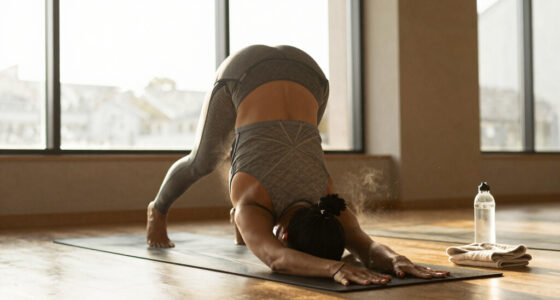
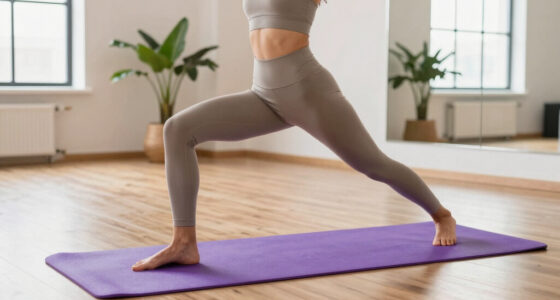
- Main flow of poses. The instructor guides you through a series of asanas—standing, seated, and balancing poses—held for several breaths. These flows are often linked with deep, rhythmic breathing.
- Sweat and stretch. As the heat intensifies, muscles loosen, and you might feel sweat dripping down your face and back. It’s normal to feel more flexible than usual.
- Cool-down and relaxation. The class ends with gentle stretches and Savasana—lying still and breathing deeply to absorb the practice’s benefits.
This process typically lasts 60-90 minutes, with the heat amplifying the effects of each pose. The sequence is designed not only to build strength and flexibility but also to deepen your mind-body connection. The heat acts as both a physical facilitator—helping muscles relax and elongate—and a mental challenge, encouraging focus and resilience. Recognizing this dual purpose can motivate you to stay present and patient, understanding that the discomfort is part of the growth process.

Eunzel 2 Pack Hot Yoga Towel with Grip Dot, Non Slip Yoga Mat Towe Sweat Absorbent Towel for Hot Yoga,Bikram, Pilates and Fitness 72" x 24", Dark Cyan/Steel Blue
- Grip Dots for Non-Slip Grip: Enhanced grip for various yoga styles
- Highly Absorbent Material: Keeps you dry and safe during practice
- Portable and Lightweight: Easy to carry and versatile for multiple uses
As an affiliate, we earn on qualifying purchases.
As an affiliate, we earn on qualifying purchases.
Why You’ll Sweat More Than You Expect—and That’s Good
Sweating during hot yoga isn’t just about getting wet. It’s your body’s way of cooling down and flushing out toxins, which can have significant health benefits. The sweat acts as a natural detoxifier, helping to clear impurities from your skin and bloodstream. Additionally, sweating increases circulation, which enhances oxygen delivery to muscles and tissues, promoting faster recovery and improved vitality.
Understanding why your body sweats so profusely during hot yoga is crucial because it highlights the process of thermoregulation—your body’s way of maintaining internal stability in extreme conditions. Excessive sweating indicates your body is working hard to cool itself, which is a sign of effective engagement but also a reminder to hydrate. This process improves circulation by dilating blood vessels, which helps deliver oxygen and nutrients more efficiently. The detoxification aspect is often misunderstood; while sweating can help remove some toxins, its primary benefit is improving circulation and muscle relaxation. Recognizing these implications helps practitioners appreciate sweat not as a sign of exhaustion but as an indicator of a healthy, active response. It also underscores the importance of balancing effort with safety—pushing your limits safely while respecting your body’s signals to rest and hydrate.

Sahara Sailor Water Bottle 32oz, Tritan Sports Bottle with Time Marker
- Hydration Tracking with Time Marker: Helps monitor daily water intake
- Leakproof Flip-Lock Lid: Secure, one-handed opening and leak prevention
- BPA Free Tritan Material: Safe, non-toxic, and durable for all ages
As an affiliate, we earn on qualifying purchases.
As an affiliate, we earn on qualifying purchases.
Common Challenges and How to Handle Them
Many beginners face challenges like dizziness, fatigue, or feeling overwhelmed by the heat. These symptoms often stem from dehydration, improper pacing, or underestimating the body’s response to heat. For instance, feeling lightheaded after certain poses is a signal from your body that it needs a break or more hydration. Recognizing these signs early allows you to adjust your practice and avoid injury or discouragement.
Understanding these challenges in depth reveals that they are not just inconvenient but vital signals from your body warning you to slow down or hydrate. Dizziness, for example, can be a sign of dehydration or low blood sugar—both of which impair your ability to perform and increase injury risk. Fatigue may indicate your body has reached its current limit, and continuing without adjustment can cause exhaustion or even fainting. By learning to interpret these signals, you gain insight into your personal limits and the importance of pacing yourself in a heated environment. Practical safety tips include maintaining proper hydration, but also recognizing that the heat amplifies these symptoms—meaning what might be manageable in a regular class could become dangerous in hot yoga. The key is to develop mindfulness about your body’s responses and to see challenges as opportunities to learn and adapt, ultimately fostering a sustainable, safe practice that respects your body’s unique needs.

SINOPHANT High Waisted Leggings with Pockets, Full Hot Pink, S-M
- Outer Pockets for Essentials: Securely hold phone, keys, cards
- Highly Stretchy Fit: Fits all body shapes comfortably
- Soft and Opaque Fabric: Durable, fade-resistant, non-see-through
As an affiliate, we earn on qualifying purchases.
As an affiliate, we earn on qualifying purchases.
Frequently Asked Questions
Is hot yoga safe for beginners?
Yes, but start slowly, hydrate well, and listen to your body. Many instructors offer modifications to help you ease into the heat and intensity.
What should I wear and bring?
Wear lightweight, moisture-wicking clothing. Bring a towel, water, and a yoga mat. Some studios provide mats and towels, but personal gear often feels more comfortable and hygienic.
How often should I attend to see benefits?
Practicing 2-3 times a week helps your body adapt gradually and builds mental resilience. Consistency is more important than intensity at the start.
What if I feel dizzy or nauseous?
Pause, hydrate, and breathe deeply. Sit or lie down if needed. Inform your instructor—they’re there to support your safety and comfort.
Can I do hot yoga if I have health concerns?
If you have cardiovascular issues, heat intolerance, or are pregnant, consult a healthcare professional before starting hot yoga. Always communicate your concerns with your instructor.
Conclusion
Your first hot yoga class is a unique blend of heat, movement, and mindfulness. It’s normal to feel a little out of your element at first, but with a calm mind and attentive body, you’ll find your rhythm.
Remember, every drop of sweat is a step toward greater flexibility, strength, and mental clarity. Embrace the heat—your body and mind will thank you for it.