
TL;DR
Heated yoga mats use built-in electric heating elements to warm a local practice surface; they do not heat a room like hot yoga. They may make gentle movement or meditation more comfortable in a cold space, but warmth does not replace a gradual warm-up or guarantee flexibility or injury prevention. Check a model’s compatibility, grip, controls, safety features, and care instructions before buying or using it.
Heated yoga mats warm a local surface; hot yoga warms the room.
Warmth may feel comfortable in a chilly room, but it doesn’t replace a gradual warm-up or guarantee better flexibility or injury prevention.
Check a product’s temperature control, cord placement, grip, dimensions, layering rules, and care instructions.
Follow the maker’s safety and shutoff instructions; don’t use damaged wiring or expose electrical parts to water.
If you have reduced heat sensation, circulation problems, or a relevant medical condition, ask a healthcare professional before use.

Get workout gear delivered free with Prime
- Fast, free delivery on millions of items
- Prime Video, Amazon Music and more included
- Member-only deals all year
What a Heated Yoga Mat Warms—and What It Doesn’t
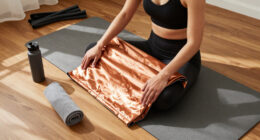
A heated yoga mat is a practice surface or mat warmer with electric heating elements that warm the area beneath you. It is usually powered by a wall adapter or another electrical source, though the design varies. Some products are standalone mats; others are heating pads or toppers intended to sit beneath a regular yoga mat. Check the product description closely, since “heated mat” can also mean a non-electric mat designed to retain body warmth. That difference in construction affects both the experience and the setup. A standalone heated surface is the layer you practice on, so its own texture and grip matter directly. An under-mat warmer depends on whatever you place above it: that layer can make the surface feel more familiar, but it can also reduce or change how much warmth reaches your hands and feet. A product may prohibit covering it because the extra layer changes its intended conditions. Treat compatibility as part of the product’s function, not a minor accessory question. The key distinction is where the warmth goes. A heated mat warms a local surface, while hot yoga heats the whole room; an infrared panel warms people and surfaces from above. If you unroll a warmer in a chilly bedroom, your hands and feet may feel more comfortable where they touch the mat, but the air around your face can still feel cold. That can be useful if you want a warmer point of contact without heating an entire room, but it won’t create the enveloping warmth of a studio. The mat’s coverage is local, so body parts not touching it may feel little difference. Warmth also depends on room temperature, clothing, body contact, and whether you place another mat on top. A thick layer could change how heat reaches you; direct contact may feel stronger in some areas than others. Product design and room conditions therefore matter more than the word “heated” on a listing. Read the instructions before assuming a standard mat will work over a heater. A product labeled “infrared” still needs specific technical details; the term alone doesn’t establish a special health effect.Products Worth Considering

Philips Sonicare DiamondClean Smart 9500 Electric Toothbrush, Pink, with 2 Brush Heads

Garmin Venu Sq 2 GPS Smartwatch, Slate/Shadow Gray

Oura Ring 5 Smart Ring – Silver, Size 9
As an affiliate, we earn on qualifying purchases.
Why a Warm Surface Can Feel Good in a Chilly Practice
A warm surface can make a cold room feel more welcoming for gentle practice, stretching, meditation, or floor exercises. It may take the edge off the first few minutes, when your palms meet a cool surface and your feet feel stiff from sitting at a desk. That comfort is the main practical appeal: a cozier starting point in a space you don’t plan to heat like a studio. The benefit is most noticeable when your practice involves contact with the floor; it may matter less during standing sequences where you spend little time on your hands or seated on the mat. Say you practice before work in a tiled room. You place your mat warmer as directed, wear a light layer, and begin with easy movements while the kettle clicks in the kitchen. The surface feels pleasant under your hands during a slow cat-cow sequence. You still move gradually, though; the warmth hasn’t done the work of a warm-up, and it doesn’t promise greater flexibility, better performance, or injury prevention. Comfort can make it easier to settle into a routine, but that is different from changing what your muscles or joints are ready to do. Let your movement, not the warm surface, guide how far you stretch. This is where expectations matter. Heat is comfort, not a shortcut. During vigorous practice or in an already warm room, added heat may feel unpleasant and can contribute to overheating or dehydration. The same setting that feels gentle while sitting still may feel excessive once you are moving and generating body heat. Pay attention to how you feel rather than chasing a high setting. If you become dizzy, nauseated, unusually weak, or overheated, stop and move to a cooler place. A warm mat should support a practice that feels manageable, not turn it into an endurance test.How to Choose a Heated Yoga Mat That Fits Your Practice
Choose a heated yoga mat by checking how you’ll use it, what sits on top, and how the maker handles temperature, cleaning, and electrical safety. These details work together: for example, a strong heat setting has little value if the mat slips during a pose, and a grippy surface may not suit you if the maker’s layering rules prevent the setup you need. Start with your usual practice and space, then use the manual and specifications to see whether the product fits. A portable under-mat warmer for quiet stretching may suit your routine better than a standalone surface designed for a different setup.| What to check | Why it matters | Example question |
|---|---|---|
| Temperature control | Settings and heat distribution affect comfort. More control can help you adapt to different rooms and practices, but a control dial alone doesn’t tell you how evenly the surface warms. | Can you adjust the heat, and does the maker describe how evenly it warms? |
| Power and placement | Cord position and outlet needs shape where you can practice. A setup that forces you to step over a cord can interfere with movement, even if the mat itself feels comfortable. | Will the cord reach safely without crossing your movement area? |
| Grip and size | A warm or damp surface may feel different under your hands and feet. The right dimensions provide room to move, while reliable grip matters most when you shift weight or perspire. | Do the dimensions suit your practice, and does the surface stay secure? |
| Compatibility and cleaning | Layering and washing depend on the product’s construction. A compatible top mat may improve familiarity, but extra layers can alter heat transfer; cleaning limits can also affect how practical the mat is after regular use. | May you place a regular mat on top, and which parts can you wipe clean? |
| Safety, warranty, and returns | Clear instructions and coverage matter for an electrical product. Safety details help you understand its intended use; warranty and return terms matter if the surface, controls, or heat feel unsuitable in practice. | Does the documentation describe certification, overheat protection, and warranty coverage? |
How to Set Up and Use One with Care
To use a heated yoga mat with care, follow the manufacturer’s instructions for setup, temperature, layering, cleaning, and shutoff. Those instructions reflect how the particular product is built, so a routine that is appropriate for one mat may not be suitable for another. Start with the product’s actual guidance rather than a temperature or timer you found for a different model. A practical setup might look like this:- Inspect the mat and cord. Don’t use the product if the wiring, plug, or surface looks damaged. Damage can create risks that a lower heat setting or shorter session won’t resolve.
- Place it as directed. Keep the cord clear of where you step, stretch, or reposition yourself. This gives you room to move without snagging or pulling the electrical connection.
- Check layering rules. Add a regular mat only if the manufacturer says that setup is compatible. A layer can change both the warmth you feel and the conditions around the heating element.
- Choose a comfortable setting. Begin gently and notice how the warmth feels through your clothing and practice surface. A modest start gives you a chance to assess the setup before extended contact or more vigorous movement.
- Follow the shutoff instructions. Don’t assume it is safe to leave the mat on unattended or use it while sleeping. Automatic shutoff, if present, has a defined purpose and timing; it is not a reason to ignore the manual.
- Clean and store it by the care label. Keep electrical parts away from water; don’t immerse or machine-wash them unless the instructions explicitly allow it. Care limits matter because moisture and rough handling can affect electrical components as well as the surface.